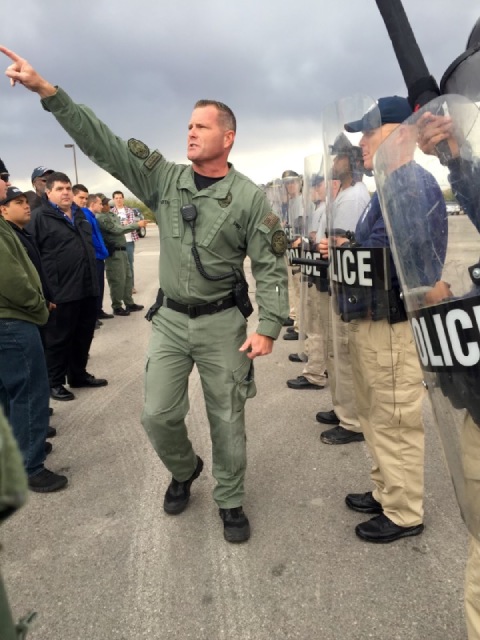
Emergency management requires a structured yet flexible approach to handle the wide range of incidents. The Incident Command System (ICS) provides this foundation, offering a scalable framework that aligns roles, responsibilities, and communication. As noted by Critical Training Solution, integrating technology and interoperable communication platforms further enhances situational awareness and deployment. This comprehensive coordination, supported by standardized procedures, transforms emergency response from a reactive effort into a proactive and adaptive system.
Incident command is a standardized approach used to manage emergency situations by organizing personnel, resources, and procedures under a unified structure with a clear chain of command. This system is essential during events where everyone must work together quickly and efficiently. It helps reduce confusion, improves communication, and accelerates decision-making when time is critical.
The Incident Command System is built around a clear hierarchy, with roles assigned to ensure that every element is managed effectively. At the top is the Incident Commander, responsible for overall decision-making and coordination. Supporting them are staff who oversee areas such as operations, planning, and logistics.
One of ICS’s strengths is its ability to scale up or down based on the incident’s size. Regardless of scope, the structure remains consistent, which allows seamless coordination. This adaptability makes ICS widely applicable across various sectors, including public health, transportation, and law enforcement. Its standardized framework turns chaos into order, ensuring that even under intense pressure, everyone can act quickly and decisively.
Coordinating a response across different organizations means aligning goals, resources, and communication methods between local, state, federal, and sometimes private entities. Without clear coordination, efforts can become fragmented, leading to delays or duplication of tasks. Even minor miscommunication can ripple into larger issues during high-stakes scenarios.
Effective coordination hinges on strong communication and mutual trust. Agencies that regularly drill together and maintain open lines of contact are more likely to respond smoothly when real events unfold. When each group understands its role and how it connects to the broader effort, the entire response becomes more cohesive and impactful.
The success of this integration often hinges on pre-established relationships and a mutual understanding of the ICS framework. Agencies that train together ahead of time are better equipped to implement unified command quickly when real-time collaboration is required.
Emergency response relies heavily on digital tools that enhance coordination and speed. Communication platforms such as interoperable radio systems and mobile apps allow responders across agencies to stay connected in real time, reducing misunderstandings and delays.
Other systems, like inventory management software and automated dispatch platforms, ensure that equipment and personnel are deployed where they’re needed most. By streamlining logistics and data flow, technology becomes a force multiplier during high-pressure situations.
Preparedness starts long before any alarms sound. Agencies that invest in regular training exercises build muscle memory for real-world response. These simulations expose gaps in planning and highlight areas for improvement, making future operations smoother.
Strong collaboration doesn’t happen overnight. It’s the result of ongoing relationship-building, shared experiences, and trust developed over time. When agencies know each other and understand how to work together, they’re more agile and resilient during actual emergencies.
After-action reviews are another key element in strengthening future response efforts. By studying what worked and what didn’t, teams can refine protocols and enhance their readiness for whatever comes next.
The PGA Tour Champions returns to En-Joie Golf Club for the 19th edition of the… Read More
In Dubai’s really competitive real estate scene, building a reputation that rests on trust, consistency,… Read More
Czechia and South Africa endured disappointing starts to their FIFA World Cup campaigns, with both… Read More
After missing out on AFCON 2025, Ghana will be eager to respond on football’s grandest… Read More
England and Croatia face off at Dallas Stadium in Arlington in their opening group-stage fixture… Read More
Cristiano Ronaldo’s Portugal get their 2026 World Cup campaign underway against DR Congo in Houston… Read More

