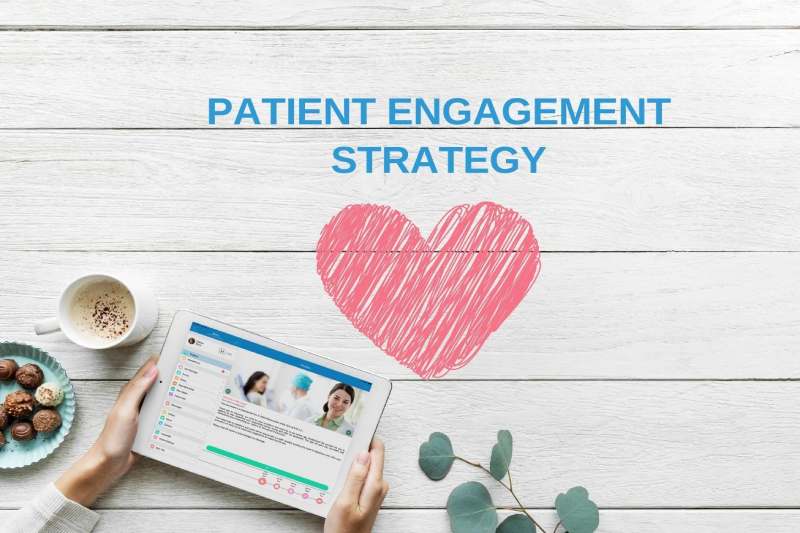
Eight Powerful Techniques to Raise Patient Involvement and Boost Medical Results
Patient engagement is an important component of healthcare that has a big impact on provider satisfaction and healthcare outcomes. In addition to adding to the workload and stress of healthcare providers, disengaged patients also put them at a greater disadvantage. Fortunately, there is good news: this risk factor can be changed. Through the application of efficient tactics, healthcare professionals can encourage patient involvement, initiating a favorable cycle of enhanced health results and heightened provider contentment. This article examines eight useful suggestions that can assist in reaching this objective.
Improving patient engagement begins with fostering a strong relationship between the patient and the provider. By being actively involved in the patient’s healthcare journey and communicating with compassion, providers can cultivate these relationships. This entails being aware of the needs of the patients, paying attention to their worries, and quickly and effectively answering their questions.
Providers now have a variety of tools at their disposal to streamline patient communication thanks to technological advancements. By utilizing telemedicine services, text message reminders, and electronic health records, clinicians can improve patient engagement by ensuring consistent patient interaction. These tools help with self-management of chronic conditions and treatment plan adherence in addition to facilitating more convenient communication.
Providing patients with information about their medical conditions and available treatments is another practical strategy to boost involvement. In order to spread knowledge, providers can run workshops, provide instructional materials, and employ digital media. Patients are better able to make educated decisions about their healthcare and are more involved in the course of treatment as a result.
Encouraging patient engagement can be greatly increased by early identification of at-risk patients. Predictive analytics and other data-driven tools can help providers identify patients who may be at risk of poor health outcomes or disengagement. Upon identification, these patients can receive additional support and tailored care plans to increase their level of engagement.
Patient engagement can be enhanced by streamlining the healthcare experience for patients through automated processes such as medication reminders, appointment scheduling, and health tracking. These procedures are more efficient thanks to automation, which also lowers the possibility of mistakes and oversights.
The patient journey begins prior to the visit and continues through the phases of aftercare and payment collection. Providing patients with a seamless and trouble-free experience can help providers greatly increase patient engagement. This entails giving precise appointment instructions, presenting flexible payment alternatives, and guaranteeing prompt follow-up care.
Technology can significantly improve patients’ ability to manage their own care. Patients can manage their medication, keep track of their health metrics, and stay informed about their conditions with the use of mobile apps and online platforms. This enhances patient involvement and produces better medical results.
In conclusion, patient involvement is an essential component of healthcare that has the potential to greatly enhance both provider satisfaction and health outcomes. Providers can create a positive cycle of patient activation and better outcomes by establishing strong relationships with their patients, using technology for communication, promoting patient education, early identification of at-risk patients, and automating patient engagement processes. Now is the moment to advance patient involvement and see the revolution it can bring about in the medical field.
For years, owning a home in prime central London was treated as almost self-evidently sensible.… Read More
An electric bike may cost less to run than a petrol model, but repairs can… Read More
You are reading a signboard or checking a window frame when something feels off: the… Read More
Learn what a fire watch is, when buildings need one, what guards do and how… Read More
New educational resource connects holiday relapse prevention with the full recovery journey, from admission and… Read More
The way automotive products reach customers is changing. Traditionally, specialised car-care products entered the market… Read More
