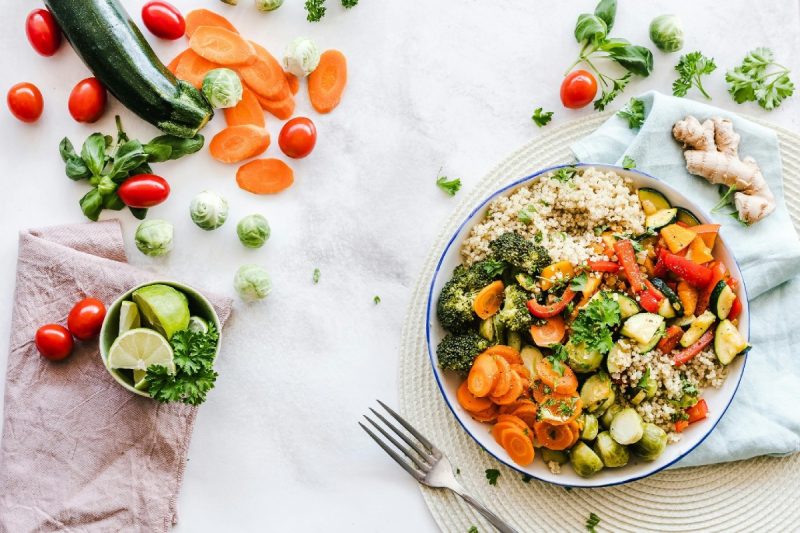
Memory is one of the most vital cognitive functions, influencing everything from learning and decision-making to emotional well-being. While genetics and lifestyle play a role in brain health, diet is increasingly recognized as a powerful tool for enhancing memory retention. The foods we consume can either support or hinder our brain’s ability to process, store, and recall information. By making intentional dietary choices, individuals can improve mental clarity, reduce cognitive decline, and support long-term brain function.
Prioritize Omega-3 Fatty Acids
Omega-3 fatty acids, particularly DHA and EPA, are essential for brain health. These fats are found in high concentrations in the brain and are critical for maintaining the structure and function of neurons. Studies have shown that omega-3s can improve memory, focus, and overall cognitive performance.
Fatty fish like salmon, mackerel, and sardines are excellent sources of omega-3s. For those who don’t consume fish regularly, flaxseeds, chia seeds, and walnuts offer plant-based alternatives. Supplementation is also an option, especially for individuals with dietary restrictions. Including omega-3s in your diet consistently can help protect against age-related memory decline and support sharper thinking.
Incorporate Antioxidant-Rich Foods
Oxidative stress is a major contributor to cognitive aging and memory loss. Antioxidants combat this stress by neutralizing free radicals that damage brain cells. A diet rich in colorful fruits and vegetables provides a wide range of antioxidants, including vitamins C and E, flavonoids, and polyphenols.
Berries, especially blueberries and strawberries, are known for their brain-boosting properties. Leafy greens like spinach and kale, as well as cruciferous vegetables like broccoli, also offer strong antioxidant support. These foods not only protect brain cells but also enhance communication between neurons, which is essential for memory formation and retrieval.
Support Gut Health for Brain Health
The gut-brain connection is a growing area of research, revealing that gut health significantly influences cognitive function. A balanced gut microbiome can improve mood, reduce inflammation, and enhance memory retention. Fermented foods like yogurt, kefir, sauerkraut, and kimchi introduce beneficial bacteria that support gut health.
Fiber-rich foods such as whole grains, legumes, and vegetables also promote a healthy digestive system. By nurturing the gut, individuals can indirectly support brain function and memory. Probiotic and prebiotic supplements may be helpful for those looking to further optimize their gut-brain axis.
Consider Targeted Nutritional Support
In addition to whole foods, certain supplements can offer targeted support for memory retention. One emerging option is a quality plasmalogen supplement, which has gained attention for its potential role in cognitive health. Plasmalogens are a type of phospholipid found in high concentrations in the brain and are believed to support neuronal integrity and communication.
Research suggests that plasmalogen levels decline with age and may be linked to neurodegenerative conditions. Supplementing with a quality plasmalogen supplement may help restore these levels and support memory function, especially in older adults or those at risk of cognitive decline. As with any supplement, it’s important to consult with a healthcare provider to ensure safety and efficacy.
Stay Hydrated and Limit Processed Foods
Hydration is often overlooked but plays a crucial role in cognitive performance. Even mild dehydration can impair concentration, memory, and mood. Drinking enough water throughout the day helps maintain optimal brain function and supports the delivery of nutrients to brain cells.
Conversely, processed foods high in sugar, trans fats, and artificial additives can negatively impact memory and overall brain health. These foods may contribute to inflammation and oxidative stress, both of which are harmful to cognitive function. Reducing intake of processed snacks, sugary beverages, and fast food can make a noticeable difference in mental clarity and memory retention.
Conclusion
Boosting memory retention through diet is a proactive and accessible strategy for supporting long-term brain health. By prioritizing nutrient-dense foods, supporting gut health, staying hydrated, and considering targeted supplements, individuals can enhance their cognitive function and protect against age-related decline. Small, consistent changes in dietary habits can lead to meaningful improvements in memory, focus, and overall mental performance.
South Korea and Czechia will aim to begin their Group A journey at the FIFA… Read More
The 2026 World Cup has finally arrived. Co-host nation Mexico welcome South Africa for the… Read More
The 2026 Men’s College World Series is set to begin on June 12 in Omaha,… Read More
The 2026 FIFA World Cup gets underway this week with a revamped format for FIFA’s… Read More
The top athletes in U.S. collegiate track and field will compete for national championships at… Read More
Apple today introduced Siri AI, an all-new version of Siri driven by Apple Intelligence. Designed… Read More
