Growth does not break companies. It exposes them.
From the outside, high-growth organizations often look successful and energized. Headcount increases, revenue climbs, and momentum builds. Internally, however, a different pattern often emerges. Decisions slow down, the same issues resurface, and leaders find themselves pulled into problems they thought were already resolved.
What changes is not ambition. It is the level of complexity the business must operate within.
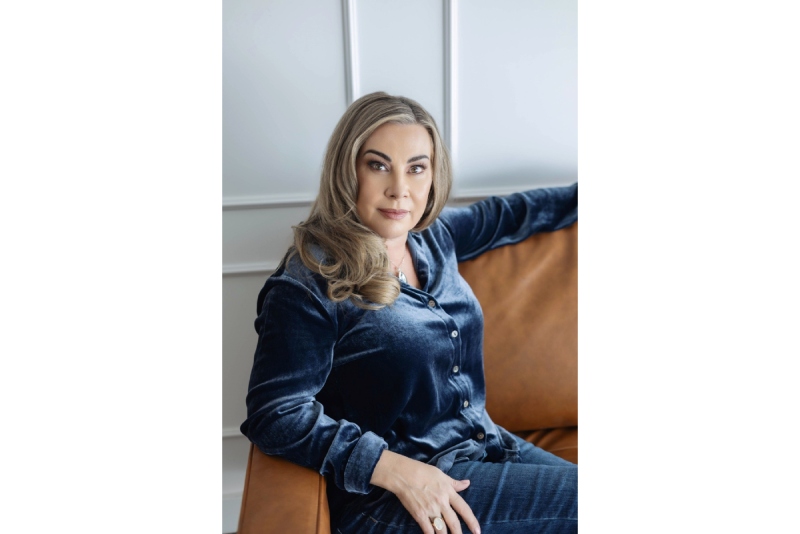
Lisa Feher has spent her career working inside this exact phase. Across global People & Culture leadership roles, she has partnered closely with executive and finance teams during periods of rapid scale, acquisitions, and structural change. Through that experience, she has seen that most performance issues are not rooted in talent. They are rooted in design.
When organizations grow, informal ways of working stop being effective. Questions that were once implicit now need clear answers. Who owns decisions? How are tradeoffs made? What defines strong performance at this stage of the company?
When those answers are unclear, even capable teams begin to lose momentum.
Lisa believes this is where the role of People & Culture needs to evolve. It cannot remain a support function focused on policies and programs. It must operate as a core part of how the business runs.
In practical terms, this means designing systems that allow organizations to scale without losing speed or alignment. Decision frameworks that reduce ambiguity. Clear leadership expectations that guide behavior. Performance rhythms that make progress visible and measurable.
These are not abstract concepts. They directly impact execution.
One of the most common breakdowns she sees is around decision-making. Teams collaborate, but ownership is unclear. Meetings feel productive, yet outcomes are not fully resolved. As a result, topics return repeatedly, slowing progress and creating frustration.
Her approach is straightforward. Define decision roles clearly. Distinguish between input and accountability. Establish what qualifies as a completed decision.
When that clarity exists, escalation decreases. Managers take ownership. Leaders regain time to focus on strategic priorities instead of resolving avoidable issues.
She also challenges the assumption that activity equals progress. In many growing organizations, constant communication and long hours create the appearance of productivity. But busyness often hides misalignment.
The more important question is whether the work is driving meaningful outcomes.
Her experience working closely with finance leaders has reinforced this discipline. Performance improves not when people work harder, but when expectations are clearly defined and systems support consistent execution.
This becomes even more critical during periods of change. Leaders often react by either lowering expectations to ease pressure or increasing pressure without acknowledging the strain on teams. Both approaches create instability.
The balance, again, comes back to clarity. Clear expectations, real support, and an honest understanding of what change requires from people.
Lisa’s perspective is shaped by years of operating in environments where growth had to be matched with structure. Companies do not scale on energy alone. They scale on systems that hold under pressure.
When People & Culture is designed as part of that system, it stops being reactive. It becomes a driver of performance, alignment, and long-term business outcomes.
In global financial markets, where milliseconds can define outcomes, the edge is no longer held… Read More
India’s trading ecosystem has evolved rapidly, with mobile-first platforms offering institutional-grade tools, lightning-fast execution, and… Read More
Balancing the life of a collegiate decathlete requires discipline, resilience, and adaptability. Juggling demanding athletic… Read More
Zagreb, Croatia 2026 Dinexu, a leading online loan provider in Croatia, today announced that it… Read More
It usually starts with something small—a haircut before a function, a facial before a festival,… Read More
Rising awareness among parents and policy support under NEP 2020 are driving demand for organized… Read More
