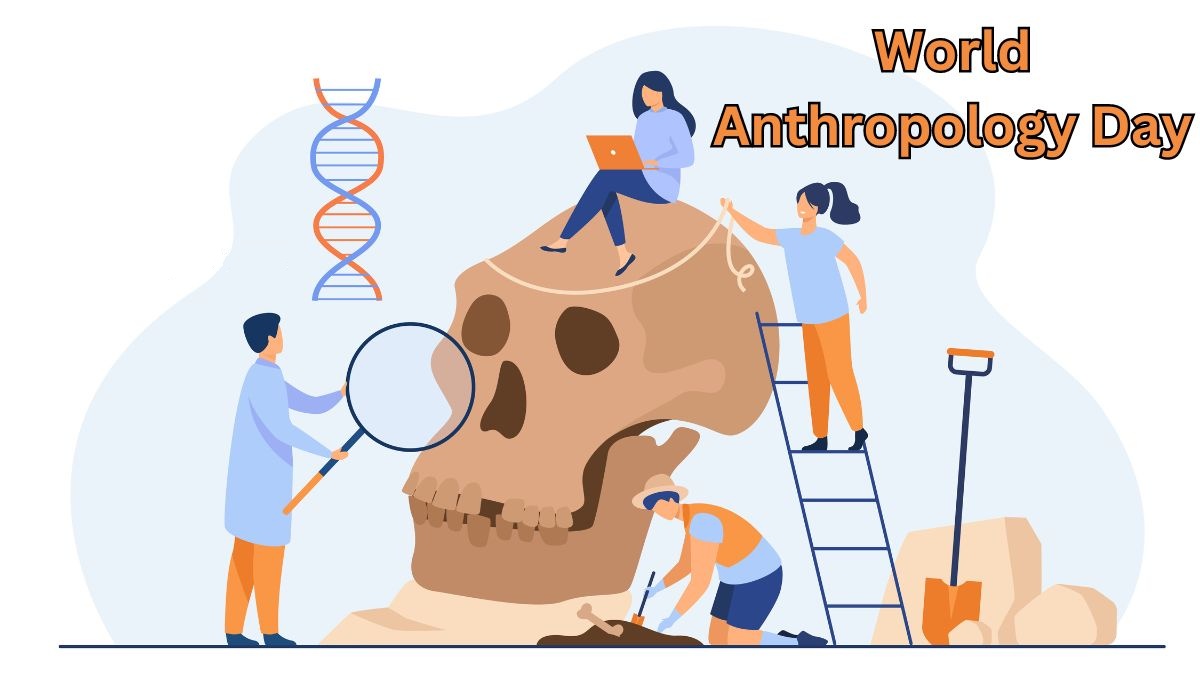
This year’s World Anthropology Day, which highlights the scientific study of humans, falls on February 15.
Understanding our world, our behaviors, and how we affect the environment is greatly aided by the study of anthropology, which investigates the beginnings and evolution of human societies and cultures.
Anthropology is the scientific study of people. It looks into the origins and development of human societies and cultures. Distinct scientific approaches are applied to investigate characteristics in historical and contemporary communities. Additionally, the study contributes to our comprehension of the workings of the world, the motivations behind human behavior, and how we impact our surroundings.
World Anthropology Day is celebrated on the third Thursday of February every year. It falls on February 15 of this year. On this day, the public is educated about the importance of anthropology to all of us, and its many facets are honored.
The American Anthropological Association (A.A.A.) created National Anthropology Day in 2015, which is when World Anthropology Day first began.
It changed to World Anthropology Day in 2016 in recognition of anthropology’s significance on a global scale. The purpose of the day is to recognize and honor the priceless contributions that anthropologists have made to our understanding of cultures and societies.
The ethnographic method is then used by anthropologists to explain social interactions and regional practices. By immersing themselves in the everyday lives of their subjects, anthropologists can observe and shed light on the true significance of various peoples’ cultures, institutions, and practices. The American Anthropological Association (A.A.A.) founded World Anthropology Day in 2015 to honor and recognize the contributions made by anthropologists.
In 2016, the day that was first celebrated as National Anthropology Day was renamed. It seemed more appropriate to celebrate World Anthropology Day because anthropology is important to everyone, not just in one country.
World Anthropology Day is significant because it focuses on raising awareness and understanding of the relevance of anthropology in the modern world. This day provides an opportunity for anthropologists to showcase their work and engage with a wider range of people, from scholars and students to the general public. It also provides an opportunity to reflect on how anthropology has advanced our understanding of human diversity and the complexities of society.
Anthropology can teach us about a wide range of subjects that affect people’s lives, including parenting, politics, economics, food, and race. Several other noteworthy points are:
In honor of World Anthropology Day, spend some time learning something new about anthropology. While having fun conversations about your favorite anthropological topics, tell your friends and family about the underappreciated field of anthropology.
Many businesses, anthropology clubs, museums, schools, and other organizations celebrate this day all over the world. They plan a wide variety of events to educate the general public about anthropology. Universities and colleges also use the day to draw in potential anthropology students. To participate:
In Dubai’s really competitive real estate scene, building a reputation that rests on trust, consistency,… Read More
Czechia and South Africa endured disappointing starts to their FIFA World Cup campaigns, with both… Read More
After missing out on AFCON 2025, Ghana will be eager to respond on football’s grandest… Read More
England and Croatia face off at Dallas Stadium in Arlington in their opening group-stage fixture… Read More
Cristiano Ronaldo’s Portugal get their 2026 World Cup campaign underway against DR Congo in Houston… Read More
Adobe has introduced updates to five Creative Cloud applications in a single release. Lightroom’s Assisted… Read More
