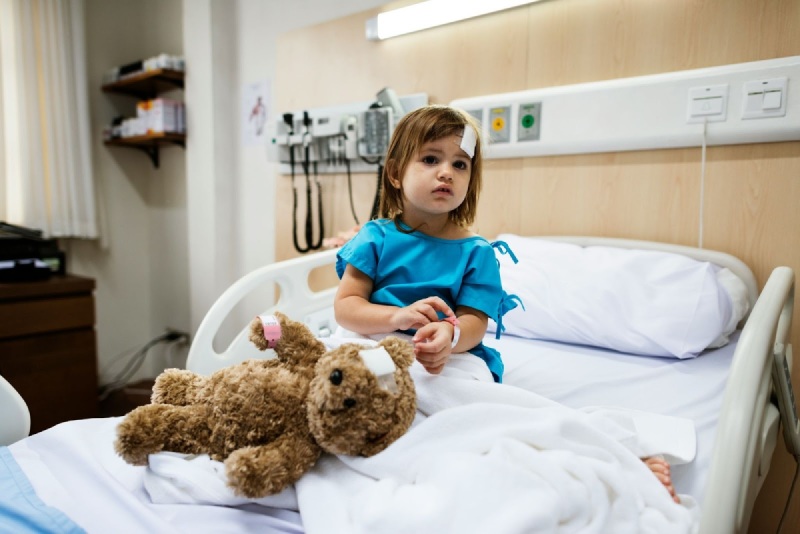
Child abuse and neglect remain pressing concerns within healthcare, requiring a vigilant approach from all professionals involved. Understanding the signs and subtle cues is vital, as children rarely speak openly about mistreatment. Medical staff are often the first line of defense, entrusted with identifying patterns that indicate harm and taking swift, appropriate action.
Beyond physical injuries, emotional and behavioral changes can be early indicators of abuse or neglect, highlighting the importance of a comprehensive assessment. As Dr. James Frizzell notes, recognizing caregiver behaviors, collaborating with other agencies, and staying up to date on best practices help ensure that vulnerable children receive timely intervention.
Healthcare professionals are often among the first to see signs of child abuse, making their vigilance crucial. Children may not always communicate their experiences, so clinicians must be attentive to subtle cues. When a pediatric nurse notices repeated injuries at different stages of healing, this observation can prompt a closer look at the child’s safety at home.
By maintaining a high index of suspicion and being aware of risk factors, healthcare workers contribute directly to a safer environment for vulnerable children. Early identification by medical staff can prevent ongoing harm and connect families with much-needed support services. Trust between families and healthcare teams can also facilitate timely intervention.
Physical injuries that lack a reasonable explanation often raise suspicion, especially when the child or caregiver’s descriptions seem inconsistent. A child who arrives at the emergency department with bruises in unusual locations, such as the back or thighs, may warrant a careful assessment. Beyond visible wounds, healthcare professionals should pay close attention to behavioral changes.
Sudden withdrawal, excessive fearfulness, or outbursts of aggression can be signals that something is wrong. Sometimes, a child might show delays in emotional or physical development or appear anxious about returning home, signaling deeper issues that deserve further investigation. Unexplained changes in school performance or attendance could also be tied to underlying abuse, prompting collaboration with educators and counselors.
Neglect can present in less obvious ways than physical abuse, but its effects are just as serious. A child consistently arriving at medical appointments unwashed, dressed inappropriately for the weather, or appearing extremely thin may be experiencing neglect. Occasionally, untreated medical or dental problems come to light when a caregiver repeatedly misses scheduled follow-ups or fails to obtain prescribed treatments. These patterns, when noticed over time, can reveal a larger picture of a child’s unmet needs and ongoing vulnerability.
Sexual abuse may be difficult to detect, as children are often reluctant or afraid to disclose what has happened. Unexplained genital injuries, recurrent urinary tract infections, or sudden onset of nightmares can sometimes be linked to abuse. A young child who begins to display sexual behaviors or language far beyond their developmental stage may also prompt deeper concern. These signs often require sensitive and skilled assessment to understand the underlying cause. The involvement of multidisciplinary teams, including mental health professionals, often becomes necessary to support the child’s recovery and ensure their safety moving forward.
The demeanor and behavior of caregivers can offer important clues in abuse investigations. When explanations for a child’s injuries seem implausible or change with each telling, suspicion increases. A parent who appears indifferent to a child’s pain, or who uses severe punishment for minor misbehavior, may be signaling underlying problems at home.
Patterns of frequent emergency visits with unclear stories sometimes reveal hidden issues within the family dynamic. Observing interactions between the caregiver and the child, particularly if the child appears fearful or overly submissive, can help healthcare providers determine when further inquiry is warranted.
Healthcare professionals play a critical role in detecting and responding to child maltreatment. Laws require them to report suspected abuse, and proper documentation ensures the child’s story is accurately preserved. Collaborating with social services, law enforcement, and support organizations strengthens the safety net around at-risk children. Ongoing training in recognizing and managing child abuse equips professionals to respond confidently and compassionately, ensuring children receive the protection and care they need.
In today’s technology-driven world, innovation is often measured by speed, scale, and disruption. New platforms… Read More
Throughout his career, Paul Favret has consistently exhibited a rare blend of vision, adaptability, and… Read More
With rising concerns about water conservation and sustainability, efficient irrigation practices are more important than… Read More
Accountability stands as a vital pillar supporting organizational growth and success. When businesses expand or… Read More
Rev. David Jang’s lifelong commitment to youth ministry and theological education has shaped an influential… Read More
There is an old saying that has stood the test of time, not because it… Read More

