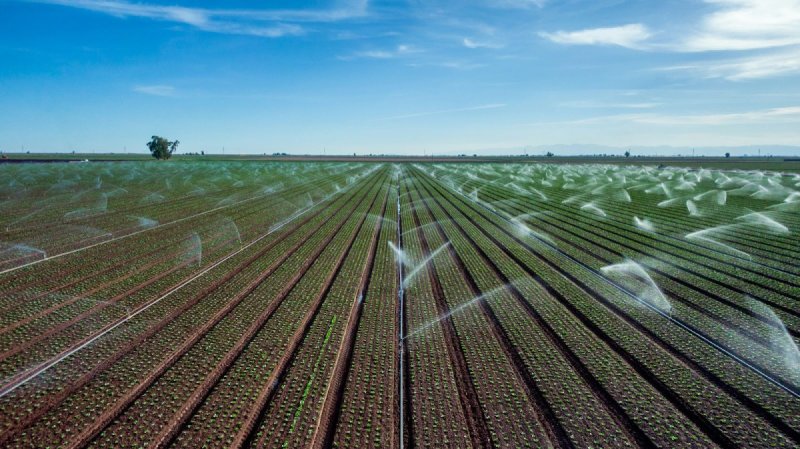
With rising concerns about water conservation and sustainability, efficient irrigation practices are more important than ever. Smart irrigation systems and water audits are two critical tools helping property owners reduce waste while maintaining healthy, vibrant landscapes. Smart technology enables real-time adjustments based on current conditions, while audits uncover inefficiencies that might otherwise go unnoticed.
As highlighted by Steve Weymer, they work together to create a comprehensive approach to managing outdoor water use. Whether you’re a homeowner looking to lower utility bills or a facility manager striving to meet environmental guidelines, understanding how these tools work—and how to apply them—can lead to considerable savings and healthier green spaces.
Smart irrigation systems use real-time data to control watering schedules more precisely than traditional timers. These systems rely on tools such as soil moisture sensors and climate-based controllers to determine when and how much to water, reducing unnecessary water use.
Unlike older systems that water on a fixed schedule regardless of conditions, smart systems adjust based on weather forecasts and soil needs. A landscape with well-placed sensors might skip watering after rainfall or increase it during a dry spell, helping plants thrive while saving water.
An example of this in practice is commercial properties that integrate smart controllers with rain sensors. These setups often result in noticeable reductions in water bills and fewer signs of overwatering, such as runoff or soggy patches. In residential areas, similar benefits can be achieved with minimal upgrades, making smart irrigation increasingly popular among eco-conscious homeowners.
A water audit is a detailed assessment of an irrigation system’s performance, focusing on how efficiently water is being used across a landscape. It typically includes evaluating system components, measuring water output, and identifying areas of waste or inefficiency. The goal is to align water use with the actual needs of plants and soil conditions.
Professionals or trained technicians often conduct these audits, though property owners can carry out basic versions themselves with the right tools and guidance. During an audit, issues such as broken sprinkler heads, inconsistent pressure, and misaligned nozzles often surface, revealing opportunities for immediate improvement.
Water audits are most effective when conducted during peak irrigation seasons or after noticeable changes in plant health, water bills, or system performance. Timing the audit correctly ensures that adjustments reflect current conditions rather than being outdated data.
A thorough audit exposes hidden issues that compromise system efficiency, such as leaks underground or watering patterns that miss key areas. These inefficiencies can lead to dry patches, overwatered zones, or uneven plant growth, all of which cost money and waste resources. Ignoring these signs can result in long-term damage to both the system and its surroundings.
By analyzing the data collected, adjustments can be made to improve water distribution and tailor the system’s output to the landscape’s needs. This might involve recalibrating schedules or repositioning sprinkler heads to better cover high-need zones.
Some homeowners discover that simple changes—like switching to pressure-regulated heads or updating outdated controllers—can lead to immediate improvements. Seasonal adjustments can further enhance results, especially in climates with drastic weather shifts.
One of the most noticeable advantages of a water audit is the reduction in monthly utility bills. By identifying and correcting inefficiencies, property owners often see a significant drop in water usage without compromising the health of their landscapes.
Beyond cost savings, these audits contribute to better plant health by ensuring that water is delivered precisely where it’s needed. Lawns and gardens respond well to consistent, adequate moisture levels rather than sporadic overwatering. In larger estates or commercial properties, this can mean fewer maintenance headaches and improved curb appeal.
In regions with water restrictions or rebate programs, having a properly audited system can help meet compliance requirements. Municipalities often reward efficient irrigation with credits or incentives, making audits not only practical but financially beneficial. These benefits can be especially compelling for homeowners’ associations and facility managers striving to meet sustainability goals.
A simple audit starts with walking through the irrigation zones during a scheduled cycle. Observing water flow, spray patterns, and coverage in real time helps identify uneven distribution or malfunctioning components. Noting any visible runoff or dry spots during the cycle can also provide valuable insights.
Measuring output can be done using items like catch cups placed at various points in the lawn. By comparing the collected amounts, it’s easier to spot areas receiving too much or too little water. These measurements form the basis for data-driven decisions. With a smartphone and a few basic tools, even novice gardeners can perform a surprisingly accurate assessment.
Once the layout and output are reviewed, it’s essential to check the controller settings. Ensuring that watering times align with plant needs and local climate conditions can greatly improve efficiency without major system overhauls. Settings should also reflect seasonal changes to avoid overwatering during cooler months.
After an audit, smart systems can be fine-tuned to operate with greater precision. Adjustments might include updating weather data sources, modifying watering durations, or replacing outdated components with more efficient ones. These refinements help ensure that water is used only when and where it’s needed.
Some users track performance over time by reviewing water usage reports generated by the smart controller. These insights help confirm whether changes made after the audit are delivering results or if further tweaks are needed.
Sometimes, the biggest opportunities begin when you realize you have outgrown where you are. For… Read More
Apple started introducing Apple Pay in India on Tuesday. Axis Bank, the country's third-largest private-sector… Read More
As all-in-one AI agents such as Meta’s Muse and Instinct gain momentum, Google has announced… Read More
Major League Baseball's 2026 postseason begins Tuesday, Sept. 29 with four best-of-three wild card series,… Read More
A Career Built on Authentic Beauty For more than 30 years, Brigitta Würfl has built… Read More
While the release of iOS 27 took much of the attention, Apple also rolled out… Read More
