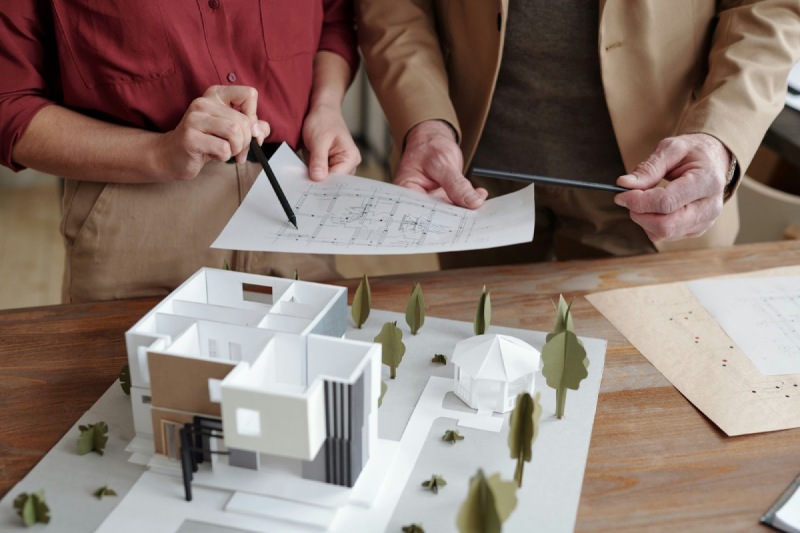
Architects are increasingly stepping beyond traditional roles to engage with communities in meaningful, long-lasting ways. Their contributions go far beyond designing private structures; they are becoming active participants in shaping public spaces, improving social well-being, and fostering civic engagement.
Through partnerships with local organizations, involvement in grassroots efforts, and a commitment to listening to residents, Eric Wippman knows that architects are helping to create environments that reflect the needs and values of the people who live there. These efforts not only enhance the physical landscape but also help build trust, strengthen professional skills, and create new opportunities for collaboration.
Community-driven design has the potential to transform overlooked spaces into vibrant, functional places that encourage connection and resilience. By embedding themselves in the fabric of local life, architects are redefining success—not just by what gets built, but by the relationships formed and lives improved in the process.
Architects are trained to think spatially and strategically, making them valuable contributors to more than just private buildings. Their ability to create functional, sustainable spaces can be applied to everything from urban parks to transit stops. This broader impact helps bridge the gap between technical design and everyday public use, offering lasting value to cities and neighborhoods.
In many communities, architects are stepping in to address challenges like accessibility, safety, and environmental impact. By participating in local projects, they use their expertise to shape spaces that are not only well-constructed but also socially meaningful. These interventions often serve as a catalyst for larger conversations about equity and inclusion.
Designing for community needs often involves creative problem-solving. Whether it’s transforming an underused alley into a shared gathering space or reimagining a vacant lot into a small urban farm, these efforts show how design can make a lasting, visible difference in public life. The effect is often immediate, yet its influence can ripple for years.
When architects take part in local projects, the results often go beyond aesthetics. Thoughtful design can help create safer walkways, more welcoming public spaces, and buildings that better serve the people who use them. Design decisions shape how people move, gather, and interact in their neighborhoods, influencing social dynamics and public behavior.
In underserved areas, small design interventions have led to big improvements. A redesigned bus shelter with better lighting and seating can make public transit more accessible. Renovating a community center to be more energy-efficient and adaptable can turn it into a true hub for local gatherings and services. These changes can help reduce crime and encourage outdoor activity.
By listening to residents and understanding their day-to-day experiences, architects can deliver solutions that are not only functional but deeply rooted in the community’s identity. This kind of engagement fosters a sense of ownership and pride among those who use the space every day. It also lays the groundwork for future collaboration and advocacy.
Working on community-based projects challenges architects in new ways. They often face tighter budgets, limited resources, and a broader mix of stakeholders, which pushes them to be more adaptable and creative in their approach. It becomes an exercise in efficiency and empathy, as each decision must balance practicality with impact.
These experiences build valuable skills that carry over into other areas of practice. Collaborating with local nonprofits or neighborhood groups, as one example, teaches professionals how to communicate clearly with non-designers and balance multiple priorities. It’s a chance to grow both technically and interpersonally, especially when navigating diverse voices and goals.
Designing within these real-world constraints also encourages deeper empathy. Rather than working from a top-down perspective, architects learn to co-create solutions by incorporating lived experiences into their design thinking.
When architects become visible figures in their communities, it helps build trust over time. By attending local meetings, engaging in open dialogue, and following through on commitments, they become more than just designers — they become reliable collaborators. This consistency allows them to influence future projects and policies effectively.
In many towns, partnerships between architects and grassroots organizations have led to long-term relationships that benefit both sides. These connections open doors to future opportunities while encouraging public participation in the planning process. When residents feel heard, they’re more likely to support development efforts and take pride in the outcomes.
Neighborhood revitalization efforts often begin with modest design goals that grow into something much larger. A pop-up park created on a vacant corner lot might start as a temporary green space and evolve into a permanent fixture, attracting families and weekend markets. Over time, such projects can define a neighborhood’s character.
In another case, an abandoned storefront reimagined as a shared workshop space helped bring together local makers, artists, and students. The project not only activated a neglected building but also introduced new economic and educational opportunities to the area. It turned a liability into a community asset.
These projects demonstrate how architectural involvement can spark momentum. When design solutions respond directly to local needs, they often become catalysts for broader community development and long-term investment. They also inspire others to think creatively about what’s possible in their own backyards.
Getting started in community work doesn’t require a major shift in practice. Many architects begin by offering their time to local schools, nonprofits, or neighborhood councils. These early efforts can reveal unmet needs and establish trust with key stakeholders. Even a single project can lead to enduring relationships and recurring impact.
Some professionals choose to donate design services for small-scale projects, such as outdoor seating or wayfinding signage. These contributions often lead to more formal collaborations and deeper involvement over time. They also demonstrate a commitment to civic responsibility.
With iOS 27 now available, CarPlay receives its most significant refresh in years. However, which… Read More
Google left out one detail from its announcement about the new Search profiles features revealed… Read More
Samsung Electronics Co., Ltd. has announced that One UI 9 is expanding to additional Galaxy… Read More
September is offering skywatchers several opportunities to observe notable events. Venus will reach its greatest… Read More
SIU Swiss International University, a member of the VBNN Smart Education Group, has officially opened… Read More
Why portfolio structure and the Gastauer Foundation matter after the June 2026 AUM revaluation The… Read More
