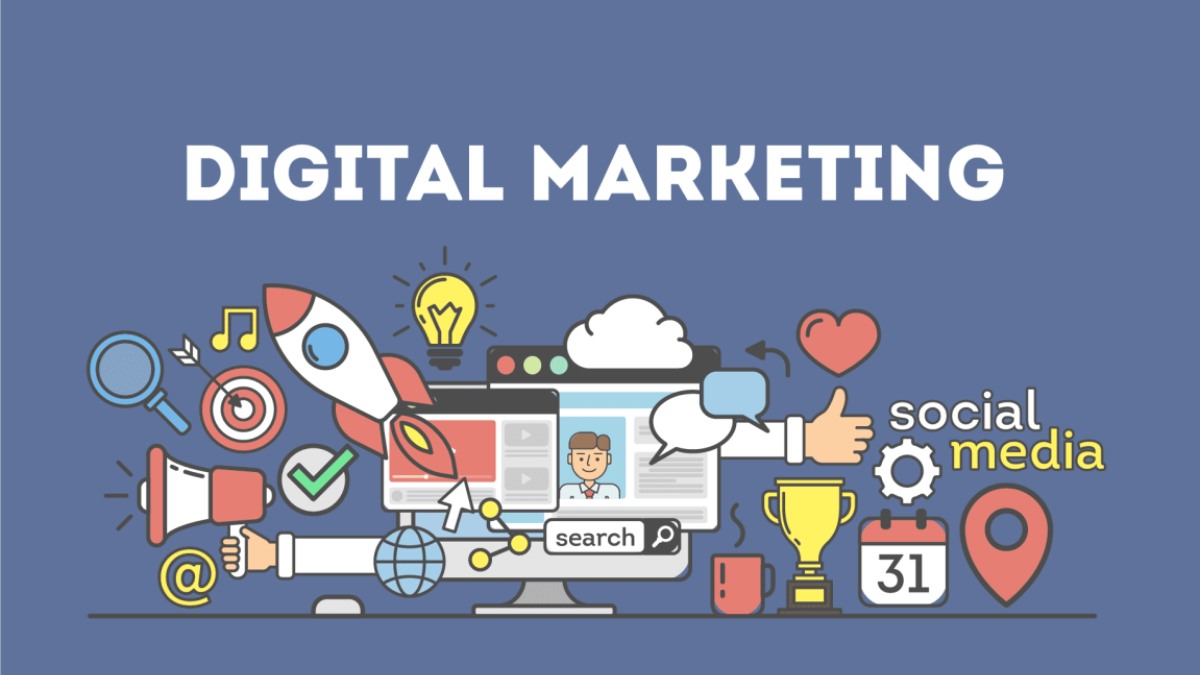
Digital marketing initially provided broad and generalized campaigns. But over the past decade, it has offered precise, data-driven strategies to meet consumer needs. The digital landscape has become so competitive that businesses need tools to not only manage their marketing but also achieve their financial goals. Businesses of all kinds have successfully redesigned their marketing through financially adaptable, data-centric platforms.
Data is the cornerstone of modern marketing. With actionable and rich insights, organizations can convert their general and traditional advertising programs into hyper-personalized, targeted campaigns. As per Statista, the global data market is expected to experience significant growth over the next five years. This growth is driven by businesses interested in making efficient decisions through the use of data. Thus, the entire industry has realized that data is essential to develop effective marketing strategies.
Businesses can now gain a deep understanding of their consumers and track their purchasing behavior, preferences, and behavioral trends. However, with robust tools that integrate data from multiple sources into a comprehensive system, data can be used effectively. This integration allows marketers to automate processes, accurately measure campaign success, and make informed decisions in real-time. Customer interactions will therefore be more effective and relevant.
Traditional digital marketing typically requires large upfront investments, which can prove to be a hindrance, especially for smaller or more experimental organizations. To solve this problem, the concept of “ads now, pay later” was introduced to the industry. It allows businesses to launch campaigns without high upfront costs. Financial flexibility allows businesses to innovate and experiment without experiencing immediate financial stress.
Around 40% of small businesses consider financial constraints to be a significant challenge to marketing expansion. In the advertising industry, flexible payment and credit options can efficiently address these constraints. When businesses have no immediate budget constraints, they can refine and test their strategies without pressure. They can either receive credits or then stagger payments. This trend is likely to increase, especially with economic fluctuations and as businesses increasingly switch to digital marketing.
With the growth of digital marketing, it is becoming challenging for marketing teams to manage campaigns across various platforms such as Facebook, Google, etc. This is driving the demand for dashboards that centralize campaign data and allow teams to monitor performance, track spending, and make strategic adjustments through a single interface. According to data from eMarketer, companies that integrate dashboard solutions see an increase in productivity of around 20% due to less time spent on administrative tasks and improved decision-making capabilities.
Campaign management is streamlined through these integrated dashboards, providing a clear view of overall marketing performance. Marketing teams can analyze the most efficient channels and allocate resources accordingly.
Market competition has increased dramatically in the modern world, particularly for small and medium-sized businesses. Cashback rewards and incentives are seen as a growing trend across all marketing platforms. These are similar to consumer rewards programs that allow businesses to expand their advertising reach without extra costs in their budget. For example, businesses receive bonus advertising credits when they deposit a certain amount. Without any additional investment, their exposure increases, improving their ROI.
In a market where advertising costs are continually rising, this incentive model proves extremely valuable. In 2023, a report from Statista predicted that digital ad spending would rise by 8% annually, making it harder for businesses to get the most out of every dollar. Therefore, incentive programs are a practical solution that allows businesses to compete effectively by maximizing their promotional activities without proportionally increasing their costs.
Digital marketing platforms have evolved with an emphasis on financial flexibility, data integration, and cost-effective incentives. This growing trend will enable businesses to overcome digital marketing challenges without compromising their financial viability. They will be able to connect with consumers in a meaningful way.
Applying these innovations will create new standards for the industry. Organizations of all sizes adapt to trends to maintain a sustainable competitive advantage. In an increasingly digital world, the goal is to create a lasting impact.
Spotify revealed on Wednesday that it is broadening audiobook availability to more than 180 markets… Read More
A family business proves its relevance each time a new generation finds something worthwhile to… Read More
Sometimes, the biggest opportunities begin when you realize you have outgrown where you are. For… Read More
Apple started introducing Apple Pay in India on Tuesday. Axis Bank, the country's third-largest private-sector… Read More
As all-in-one AI agents such as Meta’s Muse and Instinct gain momentum, Google has announced… Read More
Major League Baseball's 2026 postseason begins Tuesday, Sept. 29 with four best-of-three wild card series,… Read More
