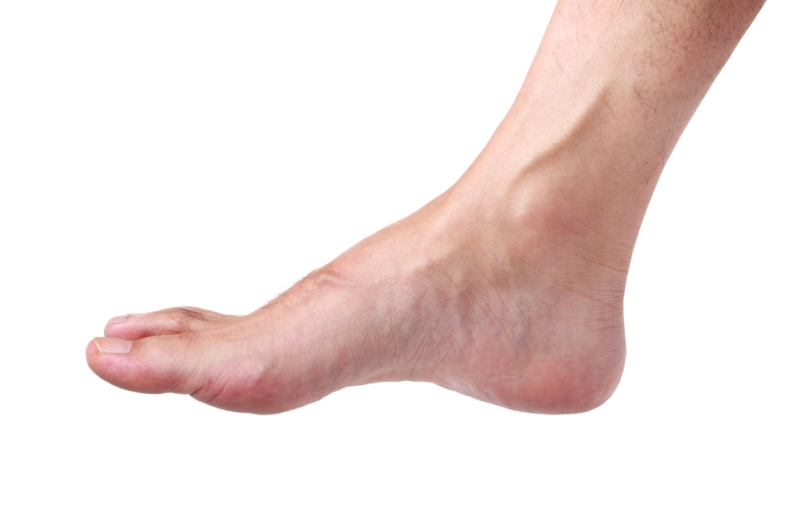
Healthcare has seen remarkable advancements in recent years, with cutting-edge technologies transforming the diagnosis and treatment of various medical conditions. Among these advancements, innovations in healthcare technology are pivotal in improving patient outcomes and the quality of care. One area where these innovations are making a significant impact is in the diagnosis and treatment of vascular diseases of the legs. In this article, we will explore the groundbreaking medical innovations that are revolutionizing the management of vascular diseases, focusing on vascular diseases of the legs.
Understanding Vascular Disease of Legs
Vascular disease of the legs encompasses a range of conditions that affect the blood vessels, arteries, and veins in the lower extremities. These conditions can impede blood flow, leading to various symptoms, including pain, swelling, and changes in skin color. Common vascular diseases of the legs include peripheral artery disease (PAD), chronic venous insufficiency (CVI), deep vein thrombosis (DVT), and varicose veins.
Medical Innovations in Vascular Disease Management
- Non-Invasive Diagnostic Imaging: One of the most significant advancements in vascular disease diagnosis is non-invasive diagnostic imaging. Techniques like Doppler ultrasound and duplex ultrasound allow healthcare providers to visualize blood flow in the legs without requiring invasive procedures. This technology provides highly detailed images, aiding in accurate diagnosis.
- Telemedicine and Remote Monitoring: Telemedicine has become increasingly important, especially during the COVID-19 pandemic. Patients can now consult vascular specialists remotely, reducing the need for in-person visits. Additionally, wearable devices equipped with sensors enable the continuous monitoring of vital signs and blood flow, allowing for real-time assessment of vascular health.
- Minimally Invasive Procedures: Minimally invasive procedures have revolutionized the treatment of vascular diseases of the legs. Techniques such as endovascular therapy and angioplasty involve small incisions and catheters, reducing the risks and recovery times associated with traditional open surgeries.
- Drug-Eluting Stents: Drug-eluting stents are a groundbreaking innovation in vascular disease treatment. These stents release medication over time to prevent the recurrence of artery blockages. They have significantly improved the long-term success rates of angioplasty procedures.
- 3D Printing for Prosthetics: 3D printing technology has created custom prosthetics and implants tailored to individual patients. This innovation has transformed the field of vascular surgery by allowing for the development of patient-specific stents and grafts.
- Artificial Intelligence (AI) and Machine Learning: AI and machine learning algorithms analyze medical images, detect anomalies, and predict disease progression. This technology enhances diagnostic accuracy and assists healthcare providers in making informed decisions.
- Advanced Wound Care: Patients with vascular diseases of the legs often develop chronic wounds that are challenging to heal. Advanced wound care technologies, such as negative pressure wound therapy and bioengineered skin substitutes, have improved wound healing outcomes.
- Gene Therapy: While still in its experimental stages, gene therapy holds promise for treating vascular diseases. Researchers are exploring gene therapy to stimulate the growth of new blood vessels, potentially providing a novel approach to treating conditions like PAD.
The Future of Vascular Disease Management
As medical innovations continue to evolve, the future of vascular disease management looks promising. Here are some potential developments on the horizon:
- Nanotechnology: Nanoscale devices and drug delivery systems may enable precise targeting of diseased blood vessels while minimizing side effects.
- Biological Therapies: Advances in regenerative medicine may lead to the development of natural therapies that can repair damaged blood vessels and promote vascular health.
- Personalized Medicine: Genetic profiling may help identify individuals at higher risk of vascular diseases, allowing for personalized preventive measures and treatments.
- Remote Surgery: Teleoperated robotic surgery systems could enable vascular procedures to be performed remotely by skilled surgeons, expanding access to specialized care.
Conclusion:
In conclusion, medical innovations in healthcare technology are transforming the diagnosis and treatment of vascular diseases of the legs. From non-invasive diagnostic imaging to advanced therapies and the potential of emerging technologies, these innovations improve patient outcomes, reduce risks, and enhance the overall quality of vascular healthcare. As research and development in this field continue to progress, patients with vascular diseases can look forward to more effective and personalized treatment options in the future.