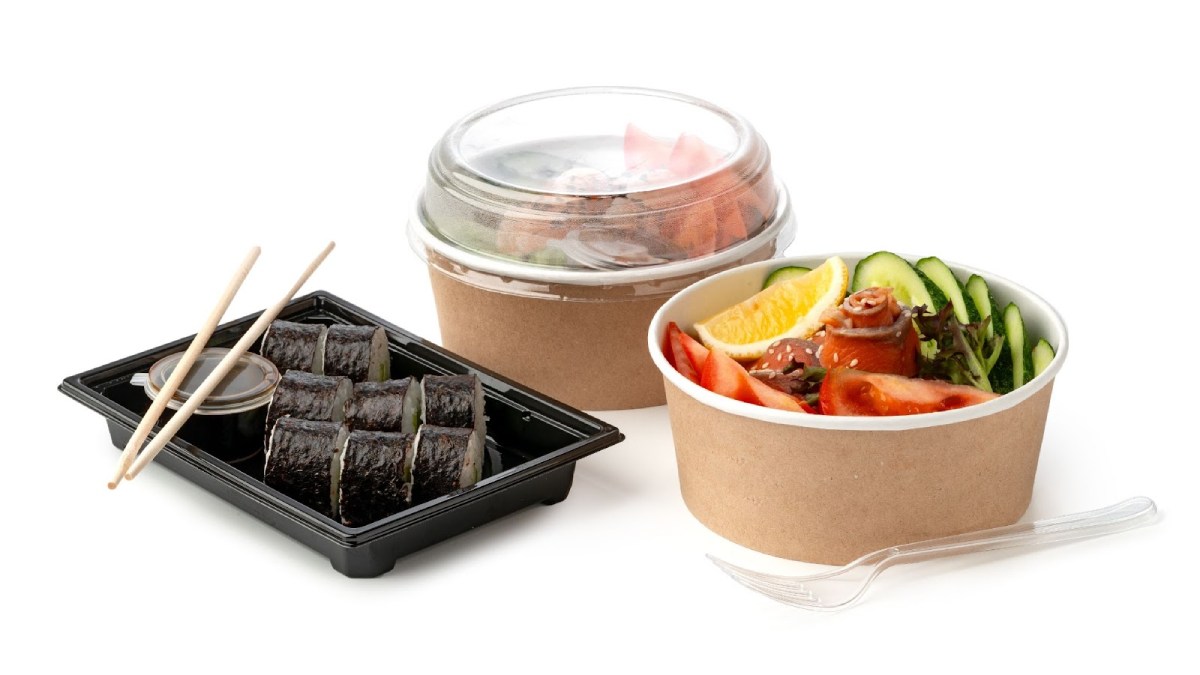
Sustainable packaging is becoming recognized as a crucial component of environmental conservation efforts worldwide. This approach focuses on reducing waste and pollution and emphasizes using renewable resources and efficient energy usage. Developing innovative, sustainable solutions is vital as industries lean towards greener alternatives.
These advancements benefit the environment and offer economic advantages by improving the efficiency and cost-effectiveness of packaging processes. In the following sections, Rocco DeLorenzo delves into the roles, innovations, challenges, and future of food science in packaging.
Sustainable packaging plays a critical role in reducing environmental impact. As industries and consumers increasingly prioritize eco-friendly practices, shifting towards materials and processes that minimize ecological footprints has become essential. Sustainable packaging involves using development strategies and materials that are both environmentally friendly and economically viable. It not only helps reduce waste and decrease pollution but also promotes the use of renewable resources and improves energy consumption.
Food science has become an indispensable ally in the drive towards more sustainable packaging solutions. By understanding food’s chemical and physical behaviors, scientists can create packaging that extends the shelf life of food products with minimal environmental impact.
This synergy of food science and packaging technology has given rise to a variety of innovative materials that are designed to degrade more efficiently, reducing their impact on landfill sites. In this collaborative approach, food scientists’ role extends beyond preservation. They are also involved in ensuring that the packaging materials maintain food safety standards and enhance convenience.
The evolution of sustainable packaging has seen the introduction of numerous groundbreaking materials that have significantly lowered its ecological footprint. Bio-based plastics utilize natural materials such as sugarcane or potato starch, which not only reduce dependency on fossil fuels but also improve plastics’ biodegradability.
Another noteworthy development is using nanotechnology to enhance barrier properties in packaging films. This technology allows for thinner, lighter materials that require less energy to produce and transport, thereby substantially reducing greenhouse gas emissions. The benefits of these innovations extend beyond their immediate environmental advantages.
Companies can also see significant cost reductions by reducing the material used and improving the efficiency of packaging. This economic benefit helps drive the adoption of sustainable practices across the industry, fostering a more widespread change towards environmental responsibility. This progress in sustainable packaging not only contributes to environmental conservation but also aligns with global sustainability goals, making it a key area of focus for future development initiatives.
Navigating sustainable packaging has its challenges. The initial costs of research and development can be prohibitive, posing a significant challenge for startups and smaller enterprises. Moreover, integrating new materials into existing production lines often requires substantial adjustment and financial investment. To address these issues, some companies are exploring partnerships with academic institutions and government bodies to share the burden of costs and accelerate the development of viable solutions.
Emerging technologies such as edible packaging materials are gaining attention, potentially reducing waste entirely by making the packaging part of the product itself. This approach not only promises to eliminate packaging waste but also adds nutritional value to the product. Additionally, the ongoing exploration of biodegradable and compostable materials will likely keep pushing the boundaries of what’s possible in packaging.
The integration of advanced food science techniques with innovative packaging designs is laying the groundwork for a future where packaging waste is significantly reduced, if not eliminated. This ongoing transformation in the packaging industry is crucial for building a sustainable future, demonstrating that every small change in material and method can have a profound impact on our planet’s health.
A roof rarely fails all at once. It starts with a few lifted shingles after a windy… Read More
Spotify revealed on Wednesday that it is broadening audiobook availability to more than 180 markets… Read More
A family business proves its relevance each time a new generation finds something worthwhile to… Read More
Sometimes, the biggest opportunities begin when you realize you have outgrown where you are. For… Read More
Apple started introducing Apple Pay in India on Tuesday. Axis Bank, the country's third-largest private-sector… Read More
As all-in-one AI agents such as Meta’s Muse and Instinct gain momentum, Google has announced… Read More
