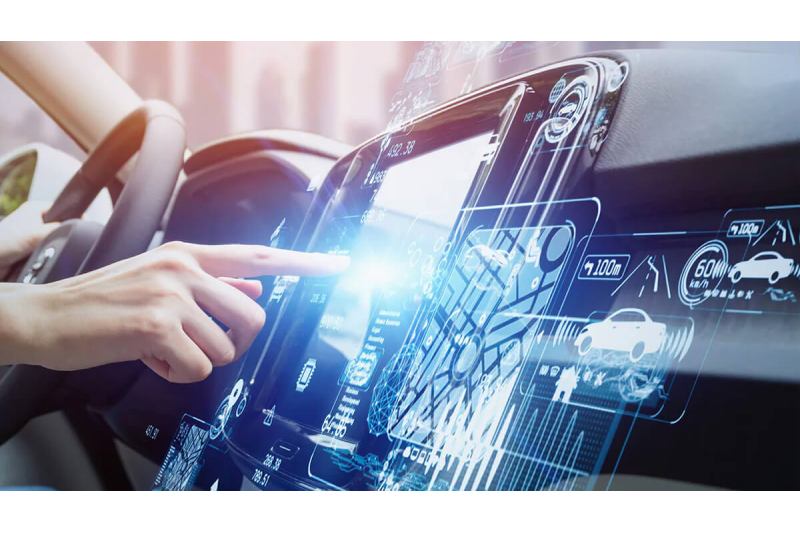
Advances in technology and shifting consumer demands are causing a major revolution in the automotive sector.
Thanks to the quick developments in deep neural networks, machine learning, and artificial intelligence, autonomous cars are getting closer to becoming a reality. By lowering the need for human intervention, even in intricate traffic scenarios, these self-driving automobiles have the potential to completely revolutionize personal mobility. 10% more fuel efficiency, more last-mile delivery alternatives, and increased safety are all expected from autonomous cars.
Due to the unstable economy, a lot of younger people are reevaluating traditional automobile ownership. Subscription services for vehicles are becoming a more alluring option since they provide flexibility without the long-term financial burden of ownership. This strategy is gaining traction despite reservations about costs and availability, as demand in subscription-based mobility solutions continues to expand.
The adoption of electric vehicles has surged due to the drive towards sustainable energy. Automobile manufacturers are significantly investing in EV technology, and governments across the globe are providing incentives for EV purchases. EVs are becoming more widely available due to the expanding infrastructure for charging them, which is fueling their rising appeal.
Real-time data on vehicle performance and road conditions can be obtained from connected automobiles thanks to their array of sensors and internet connection. This technology facilitates new business models such as usage-based insurance and streamlines vehicle maintenance, all while improving driver safety. The possibilities of connected cars will be significantly enhanced by the inclusion of 5G networks.
Ride-hailing and car-sharing are two examples of shared mobility services that are getting more popular. Urbanization, environmental concerns, and shifting consumer attitudes about ownership are the main drivers of this movement. In addition to offering practical transportation options, shared mobility lessens environmental impact and traffic congestion.
Ride-hailing and car-sharing are two examples of shared mobility services that are getting more popular. Urbanization, environmental concerns, and shifting consumer attitudes about ownership are the main drivers of this movement. In addition to offering practical transportation options, shared mobility lessens environmental impact and traffic congestion.
Modern cars are increasingly coming equipped with advanced driver assistance systems (ADAS), such as automated parking, lane-keeping aid, and adaptive cruise control. These devices lessen the possibility of human error, improving driving safety and comfort. ADAS will open the door to fully autonomous driving as technology advances.
New accounting procedures are needed in light of the car industry’s shift to shared mobility and subscription services. Businesses must adjust to new lease requirements and revenue recognition regulations. Accurate financial reporting and compliance depend on the proper accounting of deferred revenue and subscription fees.
An interview on the writing behind selected works. Msb Mario, also known as “El Niño… Read More
A startup launch involves more than announcing that a company exists. Prospective customers need to… Read More
Few hospitals are short on data. Claims, quality measures, staffing reports, patient-experience surveys, and payer… Read More
A roof rarely fails all at once. It starts with a few lifted shingles after a windy… Read More
Spotify revealed on Wednesday that it is broadening audiobook availability to more than 180 markets… Read More
A family business proves its relevance each time a new generation finds something worthwhile to… Read More
