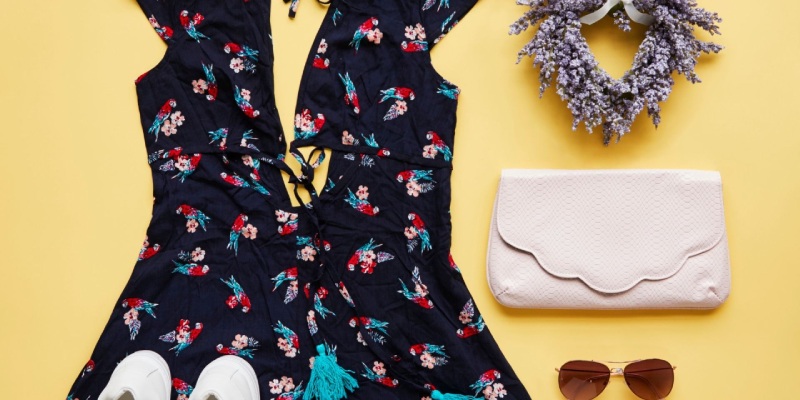
If you are like most women, you probably have a love-hate relationship with fashion. You love the way that a new outfit can make you feel, but you hate the environmental impact that the clothing industry has.
Indeed, many of us have gone on to put on our favorite jackets to compliment the look that we have gone for, while some of us have decided to wear them for sheer practicality, however we have had conflicting emotions about it due to the materials and fabrics that have been used to create the item.
The good news is that there are now more sustainable fabric options available than ever before. Nowadays, it is possible to go out looking the best you can, while also making sure you are doing your bit for the environment by using the best materials possible.
In this blog post, we will take a look at the most and least sustainable fabric options so that you can make more informed choices about the clothes you buy.
The Most Sustainable Fabric Options
Firstly, we will start with the positives and outline the best and most sustainable fabric options that are available. This way, we can start on a happy note and think about all the good that we can do to begin with, without then feeling guilty about the options that are perhaps not the most sustainable.
1. Hemp
Hemp is one of the most sustainable fabric options available. It is a fast-growing plant that does not require much water or pesticides to grow. Hemp is also one of the strongest natural fibers, which means that your clothes will last longer.
2. Bamboo
Bamboo is another sustainable fabric option that is becoming more popular in the fashion industry. Bamboo grows quickly and does not require much water or chemicals to thrive. Bamboo fabrics are also soft and hypoallergenic, making them a good choice for people with sensitive skin.
3. Organic cotton
Organic cotton is grown without the use of harmful pesticides or herbicides. This makes it a more sustainable option than conventional cotton. organic cotton is also usually softer and more comfortable to wear than conventional cotton.
4. Recycled polyester
Recycled polyester is made from recycled plastic bottles or other synthetic materials. It requires less energy and water to produce than virgin polyester, making it a more sustainable option. Recycled polyester is also just as durable as virgin polyester, so it is a good choice for activewear or other garments that need to withstand a lot of wear and tear.
5. Wool
Wool is a sustainable fabric option that has been used for centuries. Wool is made from the hair of sheep, which is a renewable resource. Wool clothing is also very durable and long-lasting, which means you will not have to replace it as often as other types of clothing.
The Least Sustainable Fabric Options
Right, now it is time to take a look at some of the least sustainable options that are available, with many of them being widely used in our favorite clothing items…
1. Leather
Leather is made from animal skin, which is not a renewable resource. Leather production also has a high environmental impact due to the tanning process, which uses harmful chemicals that can pollute water supplies.
2. Silk
Silk is made from the cocoons of silkworms, which are killed in the process. Silk production also requires large amounts of water and energy, making it unsustainable.
3. Down Feathers
Down feathers are taken from live birds, which causes them distress and pain. Down feathers are also not biodegradable, meaning they will remain in landfills for centuries.
4 . Fur
Fur is made from animal skin, which like leather, is not a renewable resource. The fur industry also has a high environmental impact due to inhuman conditions for animals, toxic chemicals used in the dying process, and methane emissions from decomposing carcasses.
5 . Acrylic
Acrylic is made from fossil fuels, which are non-renewable resources. Acrylic fabrics are also very difficult to recycle.
Final Thoughts
When choosing fabrics for your clothing, it is important to consider both style and sustainability. There are many sustainable fabric options available that are just as stylish as their unsustainable counterparts. By choosing sustainable fabrics, you can enjoy your clothes without harming the environment, while looking your best at the same time!
The conveyor starts moving again, so everyone gets back to work. Twenty minutes later, the… Read More
Gold has been a standout performer for British households. Gold price hit a record £4,068.11… Read More
An interview on the writing behind selected works. Msb Mario, also known as “El Niño… Read More
A startup launch involves more than announcing that a company exists. Prospective customers need to… Read More
Few hospitals are short on data. Claims, quality measures, staffing reports, patient-experience surveys, and payer… Read More
A roof rarely fails all at once. It starts with a few lifted shingles after a windy… Read More
