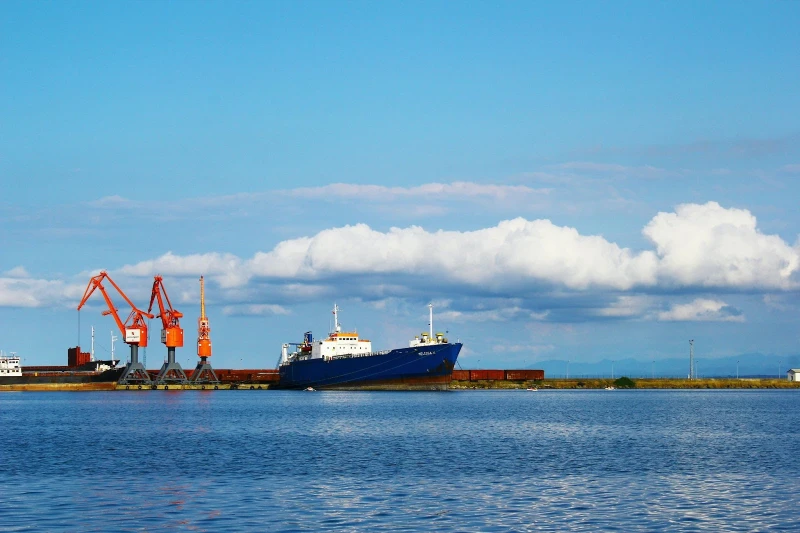
The eruption of an underwater volcano in the South Pacific kingdom of Tonga triggered a maritime earthquake in January 2022. The storm caused by the earthquake hit the Peruvian coast about 10,000 km away. At the same time, an oil tanker that was unloading cargo was hit by waves, causing an oil spill along the coastline of Peru. In connection with the oil spill, the President of Peru declared an emergency environmental situation in the affected areas.
The fall affected many beaches and the most diverse ecosystems and protected areas. The event also threatened two protected marine reserves that are home to various marine creatures. Unfortunately, such environmental disasters are not uncommon, and oil spills result in pollution dispersed into the sea.
World dependence on oil and oil products has existed for a long time. Unfortunately, oil is not an environmentally safe substance, and spills and accidents during the operation of tankers, meanwhile, occur pretty often. It leads to the pollution of many coastlines and beaches. Once in the marine environment, oil products have many long-term adverse effects depending on the concentration and composition. However, oil also has several short-term impacts on ecosystems, including disruption to habitats and wildlife.
Oil pollution has a strong negative impact on the coastal environment and is also a threat to infrastructure in oil-rich regions. For example, in the Persian Gulf, the availability of drinking water depends on the operation of desalination plants. At the same time, due to oil production, this water source is under threat.
Oil pollution often occurs along major shipping routes, highlighting the close relationship with offshore installations. At the same time, tanker accidents account for only 5% of marine oil pollution. Fuel pollution of the marine environment accounts for 48%, while crude oil pollution occurs in 29% of cases. According to reports, 52% of marine oil pollution was caused by urban runoff and industrial discharges. Oil production accounts for 21% of pollution.
The threat is both large and small oil spills. The difference is that large oil spills harm the environment and the economy and bring social damage, while more minor oil spills can lead to chronic environmental degradation. In addition, oil spills lead to health problems.
Remote sensing plays an important role primarily in the detection of oil spills. However, remote sensing technologies in the modern world are also significant for eliminating the consequences of such incidents. In addition, sensor algorithms6 and the development of computing power make it possible to solve various environmental problems, including monitoring and ensuring a quick response to oil spills, which is also crucial for mitigation. You can find more about remote sensing amplification in industries here https://eos.com/.
Today, remote sensing is the main component of oil spill response. The technology also enables mapping of the extent and location of an oil spill that the public expects to receive. In addition, response personnel can use the information received to take timely action to minimize the negative impact of pollution.
Remote sensing is also used to verify illegal ship discharges that kill seabirds. The end use of remote sensing data depends on the equipment used and is an important consideration when dealing with the consequences of oil spills. However, different functions may require special permission or other data characteristics.
Today, humanity is still dependent on oil. Unfortunately, this substance is not safe even during transportation. Often, runoff or accidents with tankers carrying oil lead to coastal zones and ecosystem disruption. Remote sensing makes it possible to monitor spills and plays a vital role in minimizing their consequences. Thanks to this technology, rapid response teams can quickly determine the location and scale of a disaster and take timely action.
While the release of iOS 27 took much of the attention, Apple also rolled out… Read More
Adjusting your AirPods settings can make a noticeable difference to your listening experience by providing… Read More
How separate investment and philanthropic mandates can support research project readiness and durable conservation outcomes… Read More
The September 2026 full moon will reach its peak at 12:49 p.m. EDT (1649 GMT)… Read More
LAGOS, Nigeria — Cambodian digital creator and entrepreneur Song Ethong, together with creative collaborator Ros… Read More
Most founders spend their first year obsessing over product-market fit, not paperwork. That focus makes… Read More
