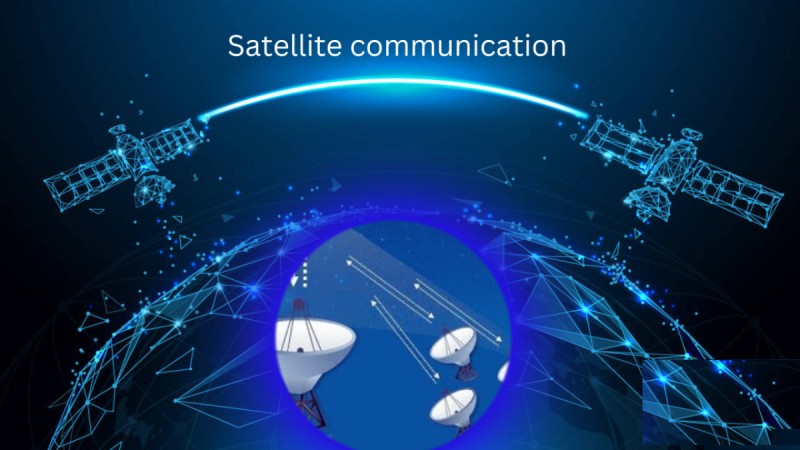
As satellite communication systems become increasingly vital to various industries and applications, ensuring their security and integrity becomes paramount. Traditional cybersecurity measures often fall short when dealing with complex satellite communication architectures, leaving them susceptible to cyberattacks. However, recent advancements in cyber physical systems (CPS) and blockchain technology offer promising solutions for enhancing end-to-end security in satellite communication networks. Cyber physical systems refer to interconnected devices and infrastructure that communicate and cooperate with each other to achieve specific objectives. When applied to satellite communication systems, CPS enables seamless integration of sensors, actuators, and software components, creating a unified system that can monitor and control various aspects of the network. By leveraging CPS, operators can gain unprecedented visibility and control over their satellite communication assets, thereby improving overall security posture. One key aspect of implementing CPS in satellite communication systems is designing trustworthy and dependable hardware and software components. Developing specialized modules equipped with built-in security mechanisms ensures that sensitive information remains protected at all times. Additionally, incorporating threat modeling and risk assessment methodologies helps identify vulnerabilities and implement appropriate countermeasures proactively.
Another emerging trend in satellite communication security involves utilizing blockchain technology. Originally developed for cryptocurrency transactions, blockchain offers unique benefits such as immutability, transparency, and distributed consensus. By applying this technology to satellite communication networks, operators can establish secure channels for exchanging critical data while mitigating risks associated with centralized authorities. Moreover, blockchain facilitates peer-to-peer interactions among disparate nodes within the network, reducing reliance on third-party entities. When combined, CPS and blockchain technology present a powerful solution for enhancing end-to-end security in satellite communication systems. For instance, smart contracts – self-executing agreements with predefined rules and conditions encoded on a blockchain – can automate various processes involved in managing satellite resources. Smart contracts eliminate human intervention, minimizing opportunities for errors or malicious activities. Furthermore, they promote accountability and traceability, ensuring that every transaction is auditable and transparent.
Implementing CPS and blockchain technology requires careful consideration of regulatory frameworks governing satellite communication networks. While many countries recognize the importance of safeguarding these systems, regulations vary widely across jurisdictions. Adhering to international standards and best practices can help streamline adoption efforts and minimize legal complications. Collaborating with industry stakeholders and regulators can foster innovation while maintaining compliance with existing laws and guidelines. As satellite communication systems continue to grow in scale and complexity, so too will the challenges surrounding their security and privacy. Harnessing the power of cyber physical systems and blockchain technology presents an opportunity to address these concerns head-on, offering a holistic approach to protecting valuable assets from potential threats. Through strategic planning, collaboration, and investment, organizations operating in this domain can reap significant rewards while bolstering their defenses against cyberattacks.
In conclusion, embracing cutting-edge innovations like CPS and blockchain technology holds immense promise for strengthening end-to-end security in satellite communication systems. By combining these tools with tried-and-true methods such as threat modeling and risk management, operators can build robust and trustworthy networks capable of meeting modern demands. With concerted effort and commitment, we can usher in a new era of secure and reliable satellite communication that powers our ever-evolving digital world.
Shanu Khare
Assistant Professor
Chandigarh University
Google Health 5.11 is beginning to roll out this week, bringing a substantial set of… Read More
A merger premium looks generous on announcement day. The offer sits well above the prior… Read More
The conveyor starts moving again, so everyone gets back to work. Twenty minutes later, the… Read More
Gold has been a standout performer for British households. Gold price hit a record £4,068.11… Read More
An interview on the writing behind selected works. Msb Mario, also known as “El Niño… Read More
A startup launch involves more than announcing that a company exists. Prospective customers need to… Read More
