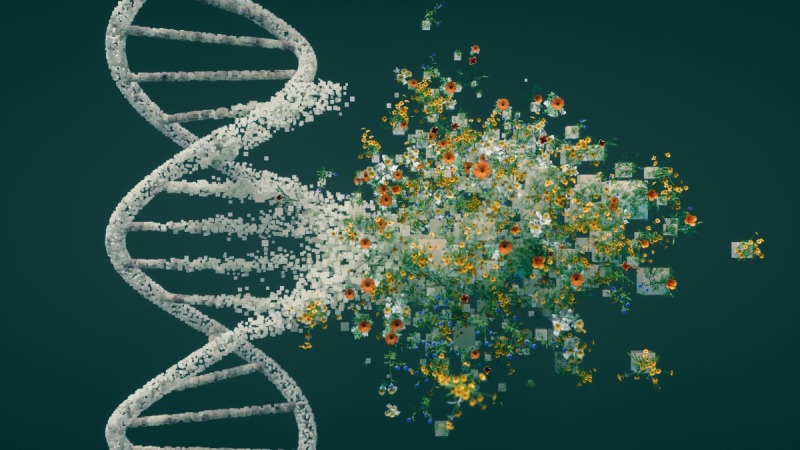
Advances in DNA research have revolutionized our understanding of biology, health, and the human body itself. From the laboratory to family trees, DNA technology is an integral part of modern life. Breakthroughs in genetic science have enabled scientists to decode the blueprint of living things, paving the way for new medical treatments and deeper insights into ancestry. What began as a narrow field of academic study has grown into a force that touches nearly every part of how people understand themselves and the living world around them.
However, as Mark Bouzyk notes, the widespread use of DNA testing has also raised important questions about ethical responsibility and privacy, prompting society to consider how best to protect sensitive genetic information. As research progresses, DNA continues to shape how people interact with the world, driving innovation while challenging us to think carefully about its implications for individuals and communities. The pace of discovery has only accelerated, and with it the responsibility to apply these tools wisely.
DNA is at the core of understanding life and genetics, shaping how scientists approach almost every question about living things. Its discovery has made it possible to analyze the building blocks that determine traits across all organisms. Across research labs and fields, DNA technologies have enabled breakthroughs that influence daily life in ways that would have seemed like science fiction only a generation ago.
Researchers continue to uncover new genetic pathways, broadening the scope of what is possible in scientific discovery. In recent years, the ability to read and interpret genetic information has opened new possibilities, changing how people view their health, identity, and connections to the world around them. The cost of sequencing a human genome has fallen dramatically, putting powerful analysis within reach of clinics, universities, and even consumers. This democratization of genetic data has fueled a wave of innovation, but it has also widened the circle of people who must grapple with what that data means and how it should be handled.
The use of DNA in forensic science has transformed how law enforcement solves crimes. By extracting tiny amounts of genetic material left at crime scenes, investigators can match suspects with remarkable accuracy. This technology has played a crucial role in resolving cases that remained unsolved for years. Courts have increasingly relied on DNA evidence to establish guilt or innocence, making it a cornerstone of modern criminal justice.
Beyond traditional profiling, advances such as forensic genetic genealogy have emerged, allowing authorities to identify unknown individuals by linking their DNA to distant relatives in public databases. This approach has shed light on cold cases that once seemed impossible to solve, demonstrating the profound impact of DNA on criminal investigations. Newer techniques now allow even degraded samples to reveal critical information, and the expanding reach of genetic databases continues to change investigative strategies worldwide. At the same time, these methods have sparked debate about the limits of genetic surveillance, since the DNA shared by one person can reveal information about an entire family that never agreed to participate.
Medicine has been revolutionized by DNA analysis. Doctors can now diagnose inherited conditions earlier, often before symptoms appear, leading to better patient outcomes. The era of personalized medicine means treatments can be customized to suit an individual’s genetic makeup, reducing side effects and improving efficacy.
Research into the genetic basis of diseases such as cancer and rare disorders continues to yield new therapies. The insights gained from studying DNA have not only enhanced understanding of how illnesses develop but have also paved the way for innovative drugs and targeted interventions that were once unimaginable. Clinical trials increasingly incorporate genetic data to optimize therapy and ensure the best possible results for each patient.
This shift toward genomics in medicine reflects predictions made years ago by researchers who saw where the science was heading. The work of Mark Bouzyk anticipated much of how genomics would move from the research bench into everyday clinical practice, and many of those early forecasts about the role of genetic data in healthcare have since come to pass. The growing field of pharmacogenomics, which studies how genes affect a person’s response to drugs, is a clear example of how foundational genetic insight is reshaping the way care is delivered.
Curiosity about family roots and heritage has led millions to explore their genetic backgrounds through at-home DNA tests. These services allow people to uncover connections that span continents, sometimes linking them with relatives they never knew existed. Genetic insights can reveal migration patterns and ancestral origins that written records alone could never capture.
Some have discovered surprising links to historical populations, prompting further exploration of cultural or regional traditions. The personal impact of discovering one’s genetic story often sparks new conversations within families and communities, changing how people relate to their past and each other. For many, a simple cheek swab becomes the starting point for a deeper journey into identity, belonging, and the shared history that connects distant branches of a family tree.
As DNA analysis becomes more widespread, questions about privacy and ethical responsibility have come to the forefront. Protecting sensitive genetic information is essential, especially when it is shared with third parties or stored in large databases. Balancing the benefits of DNA technology with respect for individual rights remains an ongoing challenge, requiring new regulations and transparent practices. Ethical debates continue around consent, potential misuse, and the implications of sharing genetic data with employers or insurers.
These concerns are not merely theoretical. As genetic databases grow, so does the potential for data breaches, unintended disclosures, and uses that consumers never anticipated when they first submitted a sample. Industry leaders such as Mark Bouzyk have emphasized that the long-term value of DNA technology depends on earning and keeping public trust. That means clear consent, strong safeguards, and honest communication about how genetic information is collected, stored, and shared. The future of the field will be shaped not only by scientific breakthroughs but by how responsibly those breakthroughs are managed.
From the courtroom to the clinic to the family living room, DNA has become one of the defining technologies of the modern age. Its power to reveal, diagnose, and connect is matched by the responsibility it places on scientists, companies, and policymakers alike. As Mark Bouzyk and others in the field continue to point out, the goal is not simply to advance what is technically possible, but to ensure that progress serves people first. Handled with care, DNA research will continue to make a difference for individuals, families, and communities for generations to come.
The usual discussion around climate change often focuses on burning carbon-rich fossil fuels such as… Read More
Google Finance is far from a new service—it has existed for two decades, dating back… Read More
Off-price retail has quietly become one of the most resilient corners of the entire shopping… Read More
Cardi B, the top nominee at the 2026 BET Awards with six nominations, is scheduled… Read More
Swiss International University (SIU) reached a big international moment, by landing in the world top… Read More
Selling a property in Hale requires preparation, accurate pricing, and a clear understanding of what… Read More
