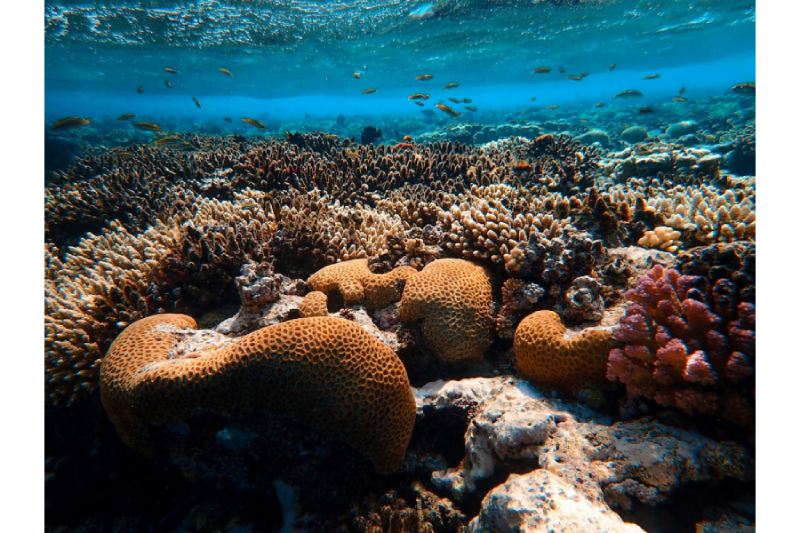
The usual discussion around climate change often focuses on burning carbon-rich fossil fuels such as coal and methane gas, which produces carbon dioxide (CO2), a potent greenhouse gas, resulting in rising temperatures, melting ice, and rising seas.. It is important to recognize that increased carbon dioxide in the atmosphere is also changing the oceans. As David Hastings explains, this lesser-known problem, ocean acidification, is altering seawater chemistry and putting marine life and coastal communities at risk. Much of the carbon dioxide released into the atmosphere is absorbed by the oceans, disrupting the delicate balance marine organisms have relied on for millions of years.
As the water becomes more acidic, species ranging from shellfish to entire coral reefs are threatened, along with the industries that depend on them. Solutions are emerging, but tackling ocean acidification, and the communities tied to it, depends on the actions we take today.
Ocean acidification refers to the gradual increase in the acidity (or decrease in pH) of the Earth’s oceans, primarily caused by the absorption of excess atmospheric carbon dioxide. As CO2 dissolves in seawater, it triggers chemical reactions that lower pH levels and alter the water’s natural balance.
This shift in ocean chemistry has been observed worldwide, particularly in coastal regions where changes can happen more quickly. Scientists have tracked these trends for years and have noted a steady rise in acidity since the onset of widespread industrial activity.
Carbon dioxide emissions from cars, factories, and power plants don’t just linger in the air. About a quarter of the CO2 released into the atmosphere is soaked up by the oceans. When carbon dioxide (CO2) dissolves in seawater, it forms carbonic acid (H2CO3), which then breaks down, releases hydrogen ions, leading to greater acidity.
Over the past century, the oceans have absorbed billions of tons of carbon dioxide. Since the oceans are removing CO2 from the atmosphere, this has helped slow the pace of climate change, yet it comes at a cost. The change in ocean chemistry is happening at a rate not seen in millions of years, leaving marine environments with little time to adapt. Some researchers point out that these rapid changes could have lasting effects on the stability of marine ecosystems and their ability to support life.
Many marine creatures depend on stable ocean conditions to build shells, skeletons, and reefs. Oysters along the coasts of the Pacific Northwest are struggling to survive because rising acidity makes it harder for them to produce strong shells. Coral reefs also suffer, as increased ocean acidity interferes with the formation of calcium carbonate.
Beyond individual species, these changes can alter entire food webs. When foundational species like mollusks and corals are affected, the consequences ripple through ecosystems, impacting everything from small fish to larger marine animals. Healthy marine ecosystems support biodiversity, and disruptions can lead to long-term shifts in ocean life.
The effects of ocean acidification reach far beyond marine life. Coastal communities that rely on fishing and aquaculture are already seeing changes in catch volumes and species availability. When shellfish populations decline, local economies feel the strain, especially in regions where these industries provide jobs and cultural significance.
Tourism is also at risk. Destinations that depend on vibrant coral reefs or abundant marine life could face fewer visitors as ecosystems deteriorate. These shifts can put additional pressure on public resources and challenge traditional ways of living by the sea. In some coastal towns, diminishing catches and changing marine conditions have led to shifts in local diets and family incomes.
Efforts to tackle ocean acidification start with reducing carbon emissions. Innovations in renewable energy, more efficient transportation, and conservation can all play a role in cutting the CO2 emissions released into the atmosphere. At the local level, some coastal regions are experimenting with restoring eelgrass meadows and shellfish beds, which can help buffer against changes in acidity.
Monitoring programs and scientific research are vital for tracking changes and testing strategies. Collaboration among governments, scientists, and local stakeholders enables the tailoring of solutions that protect marine ecosystems and support those who depend on them.
Ocean acidification isn’t an isolated problem; it’s connected to broader environmental, economic, and social challenges. Addressing it will take a mix of long-term commitment, policy innovation, and community participation. By staying informed and supporting efforts to reduce emissions, individuals and organizations can help safeguard the health of our oceans.
Advances in DNA research have revolutionized our understanding of biology, health, and the human body… Read More
Google Finance is far from a new service—it has existed for two decades, dating back… Read More
Off-price retail has quietly become one of the most resilient corners of the entire shopping… Read More
Cardi B, the top nominee at the 2026 BET Awards with six nominations, is scheduled… Read More
Swiss International University (SIU) reached a big international moment, by landing in the world top… Read More
Selling a property in Hale requires preparation, accurate pricing, and a clear understanding of what… Read More
