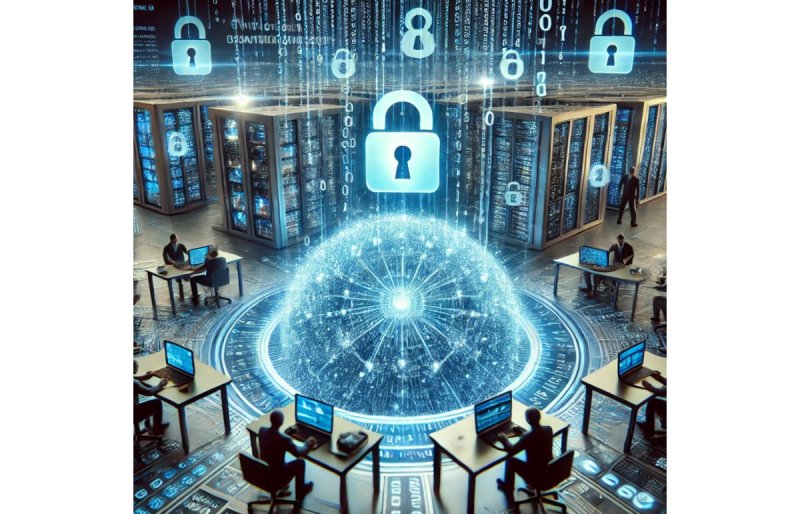
The rapid advancement of quantum computing is reshaping the future of technology, but it also poses a significant threat to global cybersecurity. As quantum computers grow more powerful, they threaten to render traditional encryption methods obsolete, leaving sensitive data vulnerable to breaches. In response, researchers, governments, and private organizations are racing to reinvent encryption systems that can withstand quantum attacks. Current encryption protocols, such as RSA and ECC, rely on the mathematical complexity of factoring large numbers and solving discrete logarithms. However, quantum computers, with their ability to process information exponentially faster than classical computers, could crack these codes in mere seconds. This poses a dire risk to fields like finance, healthcare, national defense, and communication, where secure data transmission is critical. To counter this threat, the field of post-quantum cryptography (PQC) has emerged as a promising solution. PQC involves developing encryption algorithms that are resistant to quantum attacks. The United States National Institute of Standards and Technology (NIST) has been leading global efforts to standardize PQC algorithms.
In 2022, NIST announced four winners of its PQC competition: NIST-1, Kyber, Saber, and Dilithium. These algorithms are designed to be quantum-resistant and are now being integrated into next-generation cybersecurity frameworks. While progress is being made, the transition to quantum-resistant encryption is a daunting task. It requires updating legacy systems, retooling software, and ensuring widespread adoption. Moreover, the time it will take to fully implement PQC solutions is a race against the clock—as quantum computers are expected to surpass classical capabilities within the next decade. In the meantime, organizations are exploring hybrid encryption systems, which combine traditional and quantum-resistant algorithms to mitigate risks during the transition period. Additionally, governments and private sectors are investing heavily in quantum key distribution (QKD) technologies, which use quantum properties to securely share encryption keys. The stakes are high, and the cybersecurity community is under immense pressure to act quickly. A breach in encryption could have catastrophic consequences, from identity theft to large-scale cyberattacks. As the world braces for the quantum era, collaboration between nations, industries, and academia will be essential to safeguard digital infrastructure and ensure a secure technological future. The race to reinvent encryption is not just about staying ahead of quantum threats—it’s about protecting the very foundations of modern society.
Shanu Khare
Assistant Professor
Chandigarh University
Diwali is not one mood. It is many. There's the quiet pooja in the morning.… Read More
Spotify revealed on Wednesday that it is broadening audiobook availability to more than 180 markets… Read More
A family business proves its relevance each time a new generation finds something worthwhile to… Read More
Sometimes, the biggest opportunities begin when you realize you have outgrown where you are. For… Read More
Apple started introducing Apple Pay in India on Tuesday. Axis Bank, the country's third-largest private-sector… Read More
As all-in-one AI agents such as Meta’s Muse and Instinct gain momentum, Google has announced… Read More
