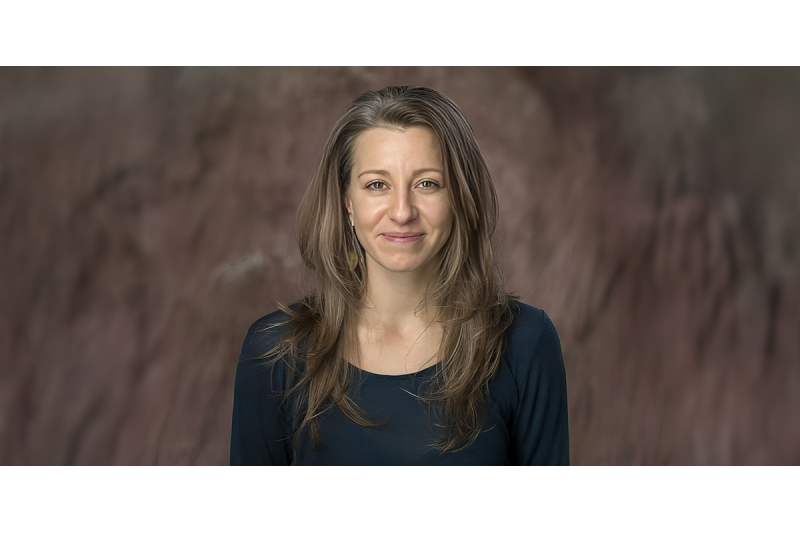
Dr. Karina Menali’s Kai Wellness shows how healing shame and trauma can change physical health through personalized integrative care.
Healing is never one-dimensional. Many people sense this, but the healthcare system still treats pain, stress, and illness as isolated events.
Founder of Kai Wellness, Dr. Karina Menali, works on correcting that gap. She believes emotional strain leaves an imprint on the body, and the body responds in ways far deeper than symptoms can explain.
Dr. Menali graduated Summa Cum Laude and went on to build two holistic primary care practices in Los Angeles and Santa Fe. Her early work in Integrative and Traditional Chinese Medicine defines her path. She later co-created a Japan Study-Abroad program to help graduate students and licensed practitioners grow in cross-cultural clinical settings.
Kai Wellness is an integrative practice that treats the body through many entry points, including the physical, emotional, and spiritual. Patients meet a physician who stays in the room, listens fully, and refuses to apply the same solutions.
The plans for the client are created with the patient. For many who have cycled through endless specialists, this feels like the first breath of relief.
Shame is rarely discussed during medical visits. Trauma is often reduced to a checkbox. Dr. Menali sees these as active forces within the nervous system, influencing everything from digestion to immunity. Kai Wellness, therefore, does a compassionate inquiry into these factors.
Primary insights at the center of her model include:
At Kai Wellness, emotional health is viewed as structural. It shapes the foundation on which physical treatments rest. Through this work, patients soften, recalibrate, and begin to understand their symptoms in a new context.
Kai Wellness uses many clinical tools. However, its approach remains organized around the person, not the treatment. Modern functional diagnostics are in relation to ancient Chinese practices. Somatic techniques are in relation to herbal strategies. The full picture matters more than any single modality.
Major elements of this approach include:
This structure gives patients time to understand their story. It also gives Dr. Menali a deeper view into the patterns behind their symptoms.
A lot of clients arrive after years of feeling dismissed or misunderstood. This method brings them back into their own authority.
Kai Wellness rejects protocol-driven care. For Dr. Menali, protocols are too narrow for the complexity of human health. She believes they overlook the emotional variables that shape illness. Each plan changes with the patient’s life, history, and capacity.
Important features that define this patient-centered model:
This process is very clarifying. Clients begin to understand how their body responds to stress, memories, and interpersonal patterns. They see how emotional pain shapes physical pain. The connection becomes obvious once named. Care becomes easier once understood.
Shame and trauma can live inside the body for years. Dr. Karina Menali built Kai Wellness to focus on this truth and make it the center of her care. Her integrative approach shows how emotional wounds influence chronic symptoms, resilience, and long-term well-being. Through personalized treatment plans and deep attunement, Kai Wellness makes healing possible again.
Those who arrive searching for answers often find insight, direction, and a renewed relationship with their own health. For many, that shift becomes the moment real change begins.
Google’s newest Gemini app update for macOS prepares support for local iMessage integration. The development… Read More
iOS 27 launched this week as a major update for the iPhone, and here are… Read More
With iOS 27 now available, CarPlay receives its most significant refresh in years. However, which… Read More
Google left out one detail from its announcement about the new Search profiles features revealed… Read More
Samsung Electronics Co., Ltd. has announced that One UI 9 is expanding to additional Galaxy… Read More
September is offering skywatchers several opportunities to observe notable events. Venus will reach its greatest… Read More
