
Business
Significance of an Emergency Fund to Ensure the Survival and Financial Stability of Small Businesses

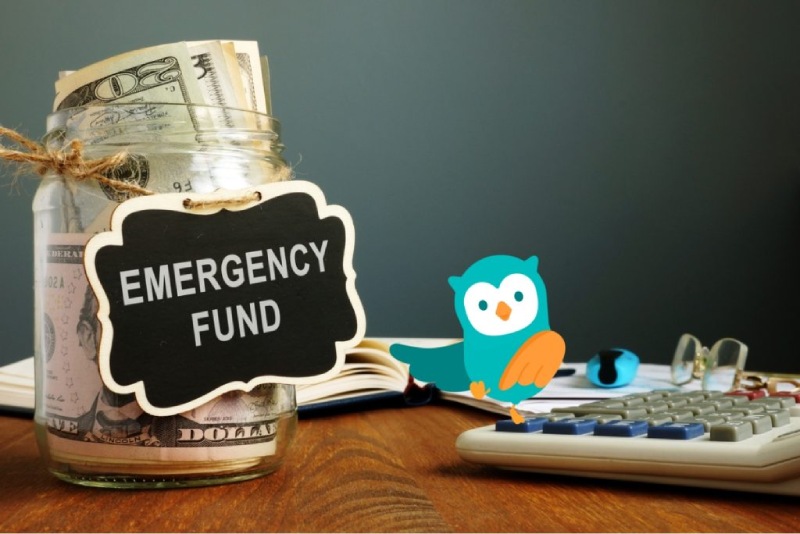
Having a business emergency fund is one aspect of keeping a balanced business budget. It can protect a company from unforeseen costs or financial difficulties in addition to assisting them in navigating through an unstable economy.
As per the findings of the Federal Reserve Banks’ 2022 Small Business Credit Survey, ninety-four percent of employer firms experienced financial challenges in the preceding year. Of them, 81% said their main financial worry was the rising cost of goods, services, or wages.
Not just businesses are suffering from the current economic climate. According to 63 percent of American adults surveyed for Bankrate’s annual emergency savings report, inflation is making it harder for them to save money for unexpected costs.
A small business emergency fund is crucial to its survival because many entrepreneurs use their own money to invest in their companies, and a lack of savings can lead to both personal and professional financial difficulties.
What is an emergency fund for small businesses?
A small business emergency fund, also known as a contingency fund, is a reserve of money that the company can use in case of an unforeseen expense or emergency. A business emergency fund and a business checking or savings account ought to be kept apart, ideally. The following are a few examples of the costs your emergency fund should pay:
- Payments for a commercial mortgage or rent
- Utility bills
- Inventory and raw materials
- Business Insurance
- Business website and related costs, especially if your business is involved in e-commerce
- Employee payroll and benefits
- Debt repayments
Why start a business emergency fund?
Every business needs an emergency fund to cover unforeseen costs, like unexpected market declines, urgent equipment repairs, or operating expenditures.
According to Bankrate’s annual emergency savings report, 66 percent of U.S. adults worry that they won’t have enough emergency savings in case they lose their main source of income to cover living expenses for the following month. Furthermore, 22% of U.S. adults claimed to have no emergency funds.
For business owners, putting money aside for emergencies can help ease anxiety and tension. The following are some ways that having an emergency fund can keep your small business solvent:
Protection against emergencies
A business emergency fund should assist your company in meeting unforeseen expenses, as the name suggests. Because they are unplanned, emergencies are hard to account for in your company budget unless you have an emergency fund.
Emergencies of the following kinds can affect a small business:
- Natural disasters
- Economic downturn or recession
- Pandemics
- Legal issues
- Break-ins or theft
- Damage to commercial equipment or property
Protection for assets and more stability
Emergency savings can shield your personal and business assets. For instance, you might have agreed to sign a personal guarantee if you obtained a business loan. Alternatively, it’s possible that you secured the loan by pledging company assets as security.
Your personal and business assets may be taken by the lender to recoup the loan if you repeatedly miss payments or default on it. If you miss payments because of insufficient funds, it may also negatively impact your personal and business credit histories. You can help stop that with an emergency fund.
Simpler cash flow management
You could compare not having an emergency fund for your business to living paycheck to paycheck. You can ride out economic ups and downs without further straining your personal or business finances if you have an emergency fund. You have the money to pay for operating costs and maintain your company’s operations if your revenue is lower than expected or an emergency arises.
Less dependent on debt financing
A small business loan is a tool used by some entrepreneurs to get through unforeseen costs or slow months of revenue.
While having a business credit card or loan that you responsibly manage is perfectly acceptable, having a business emergency fund reduces your need to use debt financing to pay for unexpected expenses. This can prove advantageous over time, as relying on debt financing for unexpected expenses could quickly get out of hand if your company is unable to make the repayments.
Support for growth and time-sensitive business opportunities
Your emergency savings may enable you to take advantage of an unforeseen opportunity or gap in the market. You might, for instance, use your emergency savings to launch a new service or product that you otherwise wouldn’t be able to afford. Additionally, it can prevent you from taking on debt to launch the good or service.
Remember: It can be risky to use your emergency fund for business opportunities. Consider the advantages and disadvantages before committing.
Bottom line
An emergency fund aids in a company’s resilience in the face of adversity. Your business emergency fund can shield your assets, provide for unforeseen expenses, and assist with new business opportunities. Generally speaking, your business emergency fund should contain enough money to cover several months’ worth of costs. Even though it’s advised to set aside a significant portion of income, saving even a small sum for emergencies is a positive start.















Apple Prepares iOS 27 Release With AI-Powered Siri and Expanded Apple Intelligence

Best Commodity Trading Platforms in India for Trading Crude Oil and Natural Gas Derivatives

How to Use Corporate and Personal Health Insurance Together

Alicia Lacao-Green gains worldwide fame owing to her amazing transformations via make-up and contouring.

Amplifyou, an amazing agency for eCommerce

Vasid Qureshi, India’s Top Blogger Shares 5 Tips to Go Viral on Social Media

Apple Prepares iOS 27 Release With AI-Powered Siri and Expanded Apple Intelligence
Apple is getting ready to roll out iOS 27 to supported iPhone models, bringing an AI-enhanced Siri, expanded Apple Intelligence...

Best Commodity Trading Platforms in India for Trading Crude Oil and Natural Gas Derivatives
Crude oil and natural gas are among the most actively traded commodity derivatives in India. They are also among the...

How to Use Corporate and Personal Health Insurance Together
Corporate health insurance can provide useful medical cover during employment, while a personal plan offers greater control and continuity over...


Personal Accident Insurance for Daily Commuters and Two-Wheeler Riders
Daily travel may feel routine, yet every commute involves changing traffic, busy roads, sudden braking and unpredictable weather. Two-wheeler riders...


Dolly Parton Takes No. 1 on Billboard’s Hot 100 Songwriters Chart
Dolly Parton reaches the top of Billboard’s Hot 100 Songwriters chart for the first time, powered by three songwriting credits...
-

 Sports2 weeks ago
Concacaf Nations League 2026/27: Groups and Schedule
-
Business3 weeks ago
Black Banx H1 2026 Results Reveal the Power of Operating Leverage
-

 Festivals & Events3 weeks ago
Gamescom 2026 Opening Night Live: Schedule, Date, Streaming Details, Expected Games and How to Watch
-

 Tech3 weeks ago
YouTube View Count Changes: What Creators and Marketers Need
-

 Sports5 days ago
2026 FIBA Women’s Basketball World Cup Games and Schedule
-

 Science2 weeks ago
Sturgeon Moon 2026: When and How to See August 28 Full Moon
-

 Business2 weeks ago
Gastauer Family Office Connects Financial, Natural and Cultural Capital Through the Gastauer Foundation
-

 Business3 weeks ago
The Business of Building a Brokerage for the Long Term