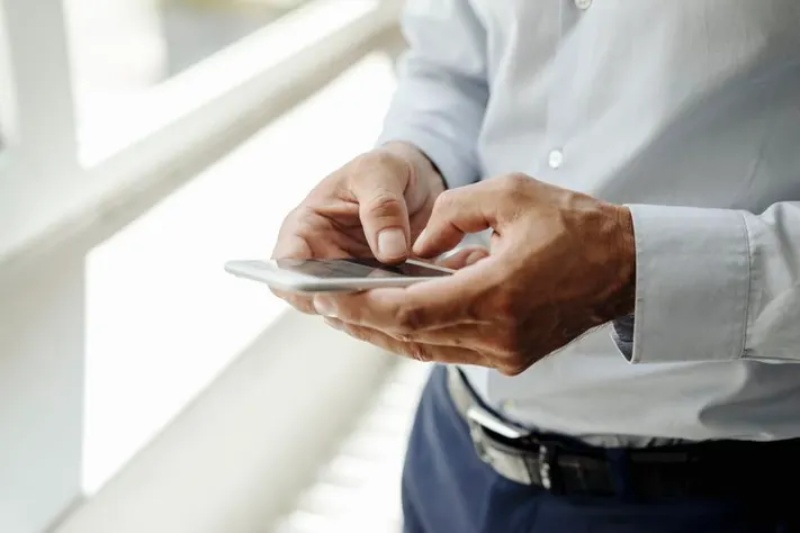
The efficiency of mobile money solutions benefits both businesses and consumers by streamlining operations and facilitating a more seamless exchange of goods and services.
Because contactless and mobile payments provide an extra layer of security that traditional cash transactions frequently do not, this shift in payment methods also has an impact on consumer spending.
Digital transactions are more attractive because they are encrypted, which provides an additional layer of security against loss and theft.
Another convenience is the ease with which digital transactions can be tracked in comparison to cash transactions.
More thorough consumer monitoring makes it possible for better financial planning and budget management.
Increased financial literacy may result from more deliberate spending habits brought about by this awareness.
Customers are more likely to make tiny, frequent purchases as a result of the speed and ease of contactless payments and QR (quick response) codes.
Instant gratification for customers is one of the main features of contactless and QR payments.
Because transactions are completed quickly, users will have a better overall experience and are more likely to adopt and regularly use these payment methods for a range of purchases.
The ease of completing a transaction with a single tap or scan not only streamlines the purchasing process but also promotes impulsive purchases, which may increase consumer impulse buying.
The use of contactless and QR codes for payments has greatly decreased the need for cash transactions. This convenience is especially important given the fast-paced, time-sensitive nature of modern life.
Through the introduction of cutting-edge features that gamify the saving process, mobile money is being used to transform traditional saving habits into contemporary, digital-first strategies.
This method shifts the focus from the abstract idea of saving to the development of automatic saving behaviors using tools like customized saving objectives.
This customization makes a deferred payment into an incentived activity by encouraging users to interact more with their savings.
Additionally, automated plans with goal-setting and automatic fund allocation are provided by mobile money technology, which makes saving easier and more reliable.
In addition to making saving easier, this strategy integrates saving into regular financial decisions, promoting a more methodical approach to money management.
Modern features like predictive budgeting and real-time spending tracking help users manage their money more skillfully and promote a change from reactive to proactive financial management.
Additionally, because these apps offer an easy-to-use interface that makes financial services navigable for users of all tech skill levels, mobile money gives users unprecedented control over their finances.
These services can replace the need for multiple banking relationships or in-person visits to service providers by combining features like bill payment, mobile top-ups, and merchant payments into a single platform.
Innovative features like goal-based piggy banks, which let users set up precise targets for setting aside some cash and come with progress tracking and motivational reminders, are being considered for upcoming solutions.
For example, users can name their savings and allocate them toward concrete objectives like a party or a bicycle.
One way to personalize the savings experience and make seemingly unachievable financial goals more concrete is to designate specific goals, such as travel, education, or leisure, into named savings pots.
Giving users the freedom to choose how and when to save and access funds can further enhance this personalization by encouraging a sense of control and involvement in their financial development.
To make saving money more enjoyable and fulfilling, gamification elements and savings challenges can be taken into consideration. This will help to create a community of savers who support one another.
To achieve a cashless society, contactless and QR codes are now viewed as essential components that can help decrease the need for physical currency while enhancing transaction security and traceability.
Businesses that provide discounts or loyalty benefits for mobile payments encourage customers to select digital over cash payments, thereby influencing the culture of spending, in general, to become more digital.
In the future, collaborations with merchants, public transportation providers, and governmental agencies will be formed to broaden the ecosystem surrounding contactless and QR payments, guaranteeing the seamless integration of mobile money into everyday activities.
Google Health 5.11 is beginning to roll out this week, bringing a substantial set of… Read More
A merger premium looks generous on announcement day. The offer sits well above the prior… Read More
The conveyor starts moving again, so everyone gets back to work. Twenty minutes later, the… Read More
Gold has been a standout performer for British households. Gold price hit a record £4,068.11… Read More
An interview on the writing behind selected works. Msb Mario, also known as “El Niño… Read More
A startup launch involves more than announcing that a company exists. Prospective customers need to… Read More
