
Education
Evan Weiss, St Louis: Why Apprenticeships Are Making a Comeback—and Why They Should

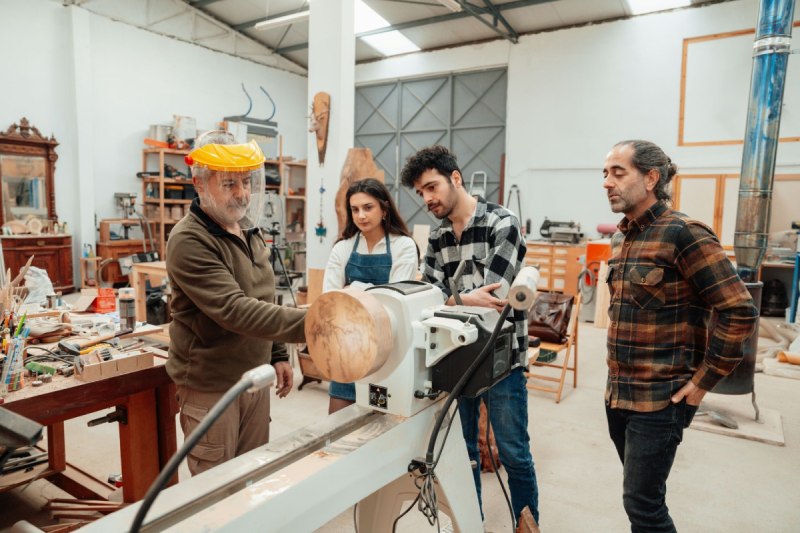
Apprenticeships are making a resurgence in today’s workforce, offering an effective alternative to traditional college education. As tuition costs continue to rise and student debt becomes a growing concern, Evan Weiss, St Louis, says that more individuals and employers are recognizing the value of hands-on learning. Apprenticeships blend paid, practical experience with structured training, preparing workers for specialized roles while addressing critical gaps in various industries.
Their appeal spans established trades and newer fields like technology and healthcare, reflecting a shift in how society views career development. With legislative support and a growing emphasis on workforce readiness, apprenticeships are becoming a central strategy for companies seeking to build a skilled, loyal team and for workers aiming to launch successful, debt-free careers. Despite challenges around the perception and accessibility, the apprenticeship model is evolving—expanding into new sectors, breaking stereotypes, and opening doors for a wider range of participants.
The Rise, Decline, and Return of Apprenticeships
Apprenticeships date back centuries, with roots in the Middle Ages when hands-on training was the standard way to learn a trade. Over time, the focus in the United States shifted toward college degrees and formal classroom education, causing apprenticeship programs to lose ground. In recent years, a renewed appreciation for practical learning has emerged, with more people turning to apprenticeships as a direct path to employment.
Carpentry, plumbing, and other skilled trades have seen renewed interest, highlighting a comeback in these programs in today’s workforce. Young people who once would have looked exclusively at universities are now considering apprenticeships as a first-choice option, reflecting a broader shift in attitudes toward education and career planning.
Economic and Social Drivers
The soaring price of higher education has prompted many to seek career paths outside the traditional college route. As student debt levels climb, apprenticeships offer a practical solution, blending paid work with valuable skills training. Government agencies and industry groups have taken notice, launching new initiatives to foster apprenticeship opportunities and bridge workforce gaps. This shift aligns with the growing demand for specialized skills that are best learned on the job, not in a lecture hall.
Employers across sectors are feeling the impact of a widening skills gap. In fields such as advanced manufacturing and healthcare, companies are turning to apprenticeships to develop talent from within. Legislative support and funding have further encouraged businesses to rethink how they build their teams, resulting in a broader embrace of hands-on training programs. Recent collaborations between educational institutions and industry partners further illustrate the momentum behind these initiatives.
Advantages for Employers
Businesses investing in apprenticeships can shape training to match their unique requirements, leading to a workforce that fits seamlessly into company operations. This kind of targeted education often leads to higher productivity and fewer mistakes on the job. In manufacturing plants, automotive shops, and tech firms alike, apprentices often become some of the most reliable employees, having learned exactly what their roles demand from the start. This allows companies to directly address their own competency needs, ensuring that new hires can hit the ground running.
There’s an added benefit when it comes to loyalty. Companies that provide apprenticeships tend to see better retention rates, as workers who have developed their skills within the organization are often more committed and less likely to seek opportunities elsewhere. This stability translates into lower hiring and onboarding costs, strengthening the business over time.
Opportunities for Workers
Apprenticeships create a pathway for individuals to earn a wage while gaining valuable experience in their chosen field. Many participants find that learning on the job accelerates their understanding and confidence, leading to faster advancement than peers who follow more traditional routes. Removing the burden of student loans is a life-changing benefit—apprentices can focus on building careers rather than worrying about debt.
Those who complete apprenticeship programs often step directly into stable employment, with many moving quickly up the ladder. In sectors ranging from construction to software development, stories abound of workers who started as apprentices and went on to become supervisors or specialists in their area. In some cases, apprenticeship graduates are offered opportunities to pursue further certifications or even leadership roles.
Expanding Beyond Traditional Roles
While apprenticeships remain essential in trades like electrical work and plumbing, the model is now gaining ground in areas such as information technology, healthcare, and finance. Technology companies, hospitals, and even banks are launching apprenticeship programs to address talent shortages. At one hospital network, aspiring medical coders receive structured training while working alongside experienced staff, transforming how new talent is brought into the fold.
Modern apprenticeships are breaking old stereotypes, showing that this approach suits roles far beyond what many once imagined. As more industries adopt this model, the perception of what an apprentice can be continues to broaden, opening doors for those seeking alternative routes into high-demand fields. Digital marketing, data analysis, and cybersecurity are just a few modern professions that now offer apprenticeship programs, demonstrating their versatility.
Addressing Challenges and Looking Ahead
Despite growing popularity, apprenticeships sometimes struggle with outdated perceptions that favor college degrees. Overcoming these biases requires ongoing outreach and clear communication about the value apprentices bring. Ensuring that programs maintain high standards is equally important, especially as more sectors adopt the approach. Industry leaders and policymakers are working together to develop clear benchmarks for quality and consistency.
Accessibility is another key concern. Making apprenticeships available to a wider range of people—regardless of background or previous education—will determine their long-term success. As attitudes shift and support grows, apprenticeships are poised to play an even larger role in shaping tomorrow’s workforce.















Outgrowing Isn’t Giving Up: Hayson Tasher Sr. on Choosing Growth

Apple Pay Launches in India With Axis Bank as First Banking Partner

Google Will Replace Gemini Gems With Skills in November 2026

Alicia Lacao-Green gains worldwide fame owing to her amazing transformations via make-up and contouring.

Amplifyou, an amazing agency for eCommerce

Vasid Qureshi, India’s Top Blogger Shares 5 Tips to Go Viral on Social Media

Outgrowing Isn’t Giving Up: Hayson Tasher Sr. on Choosing Growth
Sometimes, the biggest opportunities begin when you realize you have outgrown where you are. For Hayson Tasher Sr., that realization...

Apple Pay Launches in India With Axis Bank as First Banking Partner
Apple started introducing Apple Pay in India on Tuesday. Axis Bank, the country’s third-largest private-sector lender, is its first banking...

Google Will Replace Gemini Gems With Skills in November 2026
As all-in-one AI agents such as Meta’s Muse and Instinct gain momentum, Google has announced that it is discontinuing the...


MLB 2026 Playoffs: Full Postseason Schedule, Wild Card and World Series Dates, Games, and TV Networks
Major League Baseball’s 2026 postseason begins Tuesday, Sept. 29 with four best-of-three wild card series, with two taking place in...


The Beauty of Being Yourself: Brigitta Würfl’s Approach to Timeless Aesthetics
A Career Built on Authentic Beauty For more than 30 years, Brigitta Würfl has built her career around a simple...
-
Sports1 week ago
MLB 2026 Playoffs: Full Postseason Schedule, Wild Card and World Series Dates, Games, and TV Networks
-

 Science2 weeks ago
September 2026 Full Moon: When, Where, and How to See the Harvest Moon
-
 Tech3 weeks ago
Google Adds Search Profile Badge for Websites
-
Tech1 week ago
Google Will Replace Gemini Gems With Skills in November 2026
-

 Health4 weeks ago
How to Use Corporate and Personal Health Insurance Together
-

 News4 weeks ago
Best Commodity Trading Platforms in India for Trading Crude Oil and Natural Gas Derivatives
-

 Tech2 weeks ago
Startup Compliance Checklist: Product Registrations Before You Scale in 2026
-

 Business4 weeks ago
Personal Accident Insurance for Daily Commuters and Two-Wheeler Riders