
Tech
Organic SEO in 2026: From Digital Growth Engine to Brand Survival in the Age of AI

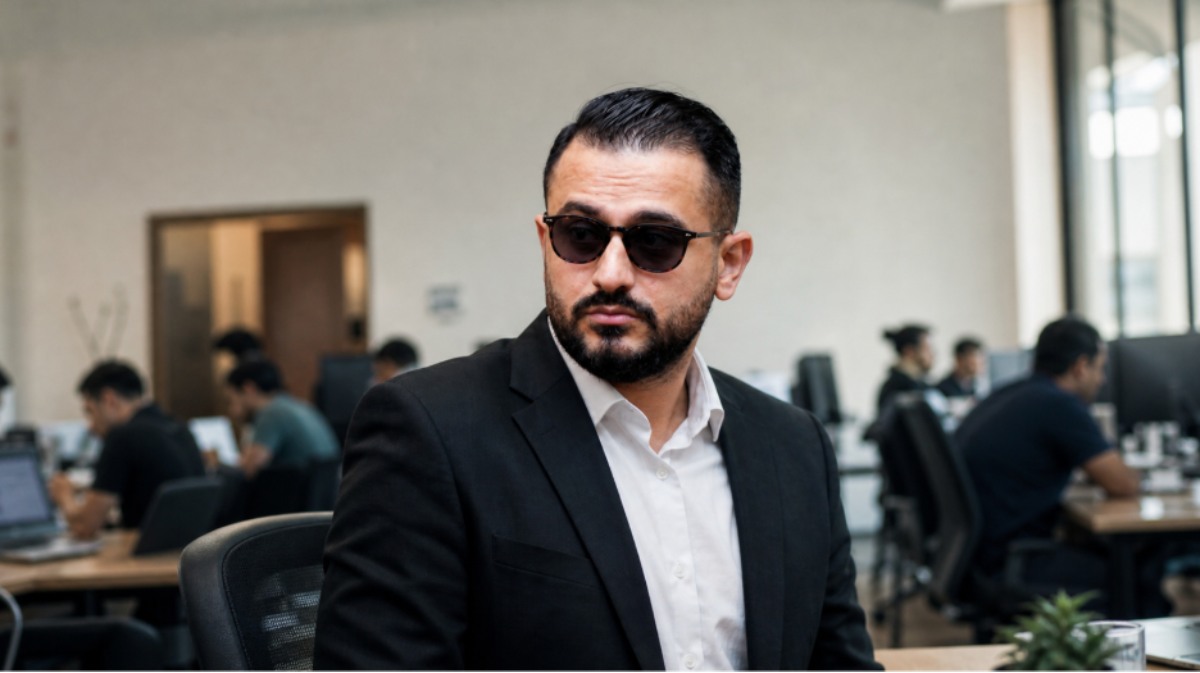
Mohsen Avid, CEO of Kholaseh Agency, offers a comprehensive analysis of the global SEO market, the hidden layers of this multi-billion dollar industry, and the challenges facing businesses in the era of generative search
The organic SEO industry, once reduced to a simple tool for ranking on Google, has today become one of the most complex and strategic domains in digital marketing worldwide. According to estimates published by market research firms, the global value of the SEO industry surpassed $140 billion in 2026 and is expected to exceed $200 billion by the end of the decade. This growth is happening at a time when the rise of AI-powered search engines, fundamental shifts in Google’s algorithms, and evolving user behavior have completely rewritten the rules of the game.
Mohsen Avid, CEO of Kholaseh Digital Marketing Agency, analyzes the current state of the industry: “We are at a historic turning point. The SEO that was practiced ten years ago shares only a name with today’s SEO. Businesses that still approach this field with a mindset from previous years are essentially wasting their budget, and whatever results they achieve are not sustainable.”
Organic SEO Is a Multi-Layered System, Not a Single Technique
Avid believes one of the biggest misconceptions in the public conversation about SEO is reducing it to “optimizing for Google.” According to him, professional SEO consists of at least five interconnected layers, and ignoring any one of them makes the entire structure vulnerable.
“The first layer is technical SEO, which is the invisible infrastructure of a website: page speed, URL structure, indexing behavior, robots files, sitemaps, structured data, and security. This layer is like the foundation of a building. No one sees it, but if it’s weak, everything you build on top will collapse. In our international projects, we have repeatedly seen websites with excellent content fail to reach their true ranking potential simply because of technical issues.”
According to Avid, the second layer is on-page SEO, which includes content optimization, heading structures, internal linking, meta tags, and reading experience. The third layer is off-page SEO, where domain authority and credibility are built through link building, brand mentions in reputable sources, and presence on relevant platforms.
He continues: “The fourth layer, which I believe is the most critical today, is content SEO. I don’t just mean writing articles; I mean building a content ecosystem that establishes topical authority for the domain. Google is no longer looking for pages that simply contain keywords; it’s looking for sources that demonstrate genuine depth and breadth in a given field. This is the concept known in the industry as Topical Authority.”
The fifth layer, according to the CEO of Kholaseh, is user experience SEO, which refers to the behavioral signals Google receives from users on a website. Click-through rate, dwell time, bounce rate, and user engagement all signal to the algorithm whether a page was genuinely useful or not. Avid explains: “You can have the best content, but if users leave your page after thirty seconds, Google receives the message that this page wasn’t a satisfactory answer.”
The AI Search Revolution and the Future of SEO
One of the most significant developments shaking the SEO industry in the past two years has been the rise of generative AI-powered search engines. Tools such as Google AI Overviews, ChatGPT Search, Perplexity, and similar platforms have transformed the search behavior of millions of users worldwide. Instead of clicking on ten blue links, today’s user often receives their answer directly on the first screen.
Avid comments: “Many people thought that with the arrival of AI, SEO would die. The reality is exactly the opposite. SEO isn’t dying; it’s becoming more specialized and more valuable. A new field called GEO, or Generative Engine Optimization, has emerged alongside traditional SEO, with the goal of ensuring that your brand is cited and referenced in AI responses to users. This is an entirely new game with new rules.”
In his view, the brands that will capture the largest share of organic traffic over the next five years are those investing today in building topical authority, producing deep and expert content, and establishing a strong presence in credible sources. “AI references sources that are trustworthy, expert, and bear a genuine human signature. This is exactly what we at Kholaseh Agency have been emphasizing for years.”
The E-E-A-T Principle and Why Google No Longer Cares About Anonymous Content
One concept Avid frequently emphasizes is Google’s E-E-A-T framework, which stands for Experience, Expertise, Authoritativeness, and Trustworthiness. According to him, this framework has become the backbone of content quality evaluation in the past two years.
“Google no longer just looks at what your content says; it also looks at who wrote it, what credentials they have, and whether they have practical experience in that field. That’s why we advise our clients to introduce the authors of their specialized content with their full name, photo, resume, and professional background. In today’s SEO world, content without an identity and signature carries very little weight.”
Why Organic SEO Remains the Most Profitable Digital Marketing Channel
Despite all the changes and complexities, Avid believes organic SEO still delivers the highest return on investment among digital marketing channels. He explains: “Paid advertising is like renting a house; as long as you pay, you stay there. Organic SEO is like buying a house; you make an initial investment, but after a while you own a real asset that brings you traffic and sales for years.”
Industry data shows that the click-through rate of organic results on Google’s first page is, on average, several times higher than paid results, and users place greater trust in organic sources. Moreover, organic traffic tends to be of higher quality, since users arrive with clear intent at the moment of need.
“In our international projects, we have repeatedly seen businesses that, through consistent investment in SEO over twelve to eighteen months, reach a point where their customer acquisition cost drops to one-fifth of paid advertising. This figure is even more striking in competitive industries such as B2B and SaaS.”
Challenges Facing Brands in the Coming Years
In closing, Avid points to the challenges brands will face in the coming years: “The first challenge is the intensity of competition. More content is produced every day, and ranking becomes harder. The second is the constant evolution of algorithms; teams that fail to keep up will fall behind. The third is the integration of AI into the content production process, which, if done incorrectly, can damage domain credibility.”
In his view, the solution to these challenges is not to flee from SEO, but to become more professional in it. “Brands that entrust SEO to a specialized team or an experienced agency are the long-term winners. SEO is no longer something one person in a corner of the company can handle part-time; it’s a specialized industry with a high pace of change.”
The CEO of Kholaseh concludes: “My message to business leaders is this: don’t view SEO as an advertising expense; view it as an infrastructural investment for long-term growth. Every day you delay, your competitors are building a structure that will, tomorrow, cost you several times more to displace from Google’s first page. Organic SEO is a marathon, but it has a finish line, and at that finish line, you become the only trustworthy brand, both in the customer’s mind and in search results.”











Google Adds Search Profile Badge for Websites

Samsung One UI 9 Adds My FanCam and Smarter Galaxy AI Features

September 2026 Skywatching Highlights for US Skywatchers Include Venus and Harvest Moon

Alicia Lacao-Green gains worldwide fame owing to her amazing transformations via make-up and contouring.
Amplifyou, an amazing agency for eCommerce

Vasid Qureshi, India’s Top Blogger Shares 5 Tips to Go Viral on Social Media

Google Adds Search Profile Badge for Websites
Google left out one detail from its announcement about the new Search profiles features revealed today: users can now place...

Samsung One UI 9 Adds My FanCam and Smarter Galaxy AI Features
Samsung Electronics Co., Ltd. has announced that One UI 9 is expanding to additional Galaxy devices, with the rollout beginning...

September 2026 Skywatching Highlights for US Skywatchers Include Venus and Harvest Moon
September is offering skywatchers several opportunities to observe notable events. Venus will reach its greatest brilliance, the Autumn Equinox will...


Study Globally in Switzerland, UAE, Kyrgyzstan, Latvia, or the UK with SIU this October
SIU Swiss International University, a member of the VBNN Smart Education Group, has officially opened admissions for the October 2026...


Gastauer Family Office Connects Capital Allocation With Purpose
Why portfolio structure and the Gastauer Foundation matter after the June 2026 AUM revaluation The June 2026 Revaluation Resets the...
-

 Sports4 weeks ago
Concacaf Nations League 2026/27: Groups and Schedule
-

 Sports2 weeks ago
2026 FIBA Women’s Basketball World Cup Games and Schedule
-

 Science3 weeks ago
Sturgeon Moon 2026: When and How to See August 28 Full Moon
-

 Entertainment2 weeks ago
KISS Scores Highest Billboard Top Album Sales Position in More Than a Decade
-

 Entertainment2 weeks ago
Dolly Parton Takes No. 1 on Billboard’s Hot 100 Songwriters Chart
-

 Business4 weeks ago
Gastauer Family Office Connects Financial, Natural and Cultural Capital Through the Gastauer Foundation
-

 Business4 weeks ago
The Business of Building a Brokerage for the Long Term
-

 Tech2 weeks ago
Austin Morelock Breaks Down the Hidden Science of Tool Life: How Advanced Metalworking Chemicals Reduce Wear and Downtime