
Tech
Cybersecurity Advice for Small Companies: 7 Steps to Keep Your Organization Safe

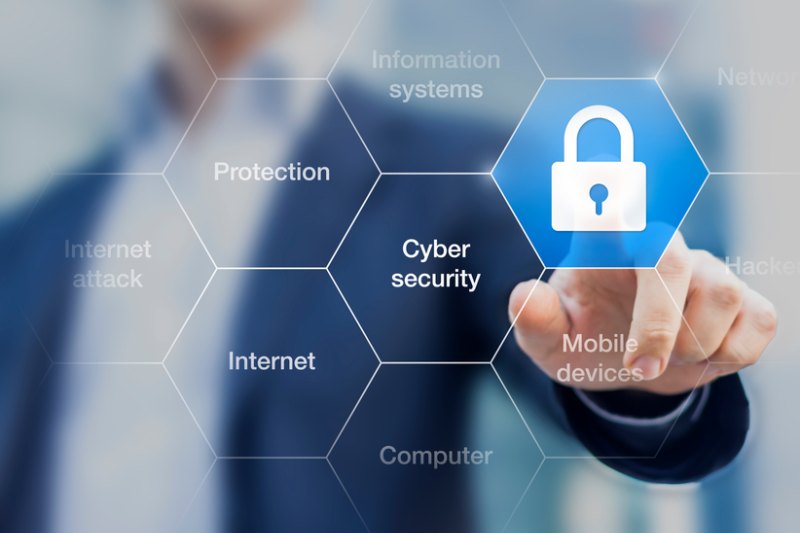
Crime online is increasing. A research conducted by the University of Maryland’s Clark School indicates that a hacker attack occurs every 39 seconds, and they are not inexpensive. Cybercrime Magazine projects that during the next several years, the worldwide cost of cybercrime would increase by 15% yearly, reaching $10.5 trillion by 2025.
Unfortunately, because they sometimes have less protection measures in place than larger firms, small businesses are a major target for cybercriminals. It is essential to invest in small business cybersecurity and adhere to proper cybersecurity practices if you want to thrive as a small business in the digital age.
How to protect your company against online attacks
1. Provide staff with cybersecurity best practices training
Since it only takes one data breach to put the entire firm at risk, cybersecurity is only effective if the entire organization takes it seriously. To learn how to recognize phishing schemes, why you should never open or download anything from an unknown sender, and the significance of consistently logging out of your accounts and devices when you are finished with work, make sure to regularly hold cybersecurity training sessions for your staff.
2. Make secure passwords
Creating secure passwords is a crucial component of any cybersecurity strategy. A strong password consists of a combination of capital and lowercase letters, numbers, and symbols and is at least eight characters long.
A different password should be used for every account; you should never use the same one twice. Use a password manager like LastPass or 1Password to have it handle your passwords if you have problems remembering them all.
Remember to update your passwords on a regular basis. Since hackers will have less time to figure out your passwords, this is a simple technique to lessen the likelihood that they will be broken.
3. Make sure multi-factor authentication is enabled (MFA)
Turn on multi-factor authentication (MFA), sometimes referred to as two-factor authentication (2FA), for an additional degree of security. In order to access an account with MFA, users must first supply their password and then another piece of identifying information. This might be an audio prompt, a fingerprint, an eye scan, or a temporary code texted to their phone. In this manner, the likelihood of hackers gaining access to private company data is further reduced.
4. Restrict user privileges
The majority of systems and applications let you restrict user access. This implies that the quantity of sensitive data that various employees are able to access can be managed by you. You ought to grant just the bare minimum of access to company information. Give it only to those who require it in order to perform their duties.
5. Cloud-based data backup
Creating cloud backups of your data is another simple method to improve cybersecurity at your organization. This manner, in the unlikely event that data is lost, corrupted, or stolen, you won’t lose critical information.
Make a weekly or daily backup schedule and plan the backups to occur at night, outside of typical business hours, when they will cause the least amount of disruption. You can get assistance in automating this process with dedicated backup software. It is preferable to store your backups in as many locations as possible. Try to keep your data spread among three or more servers.
6. Reliable Networks
The most susceptible area of your company to cyberattacks is its network. Extra caution should be used to secure it. One can accomplish this in a few ways:
- For distant workers in particular, use a virtual private network (VPN).
- When transferring files or messages, always use end-to-end encryption.
- Secure your Wi-Fi router access with a password.
- Avoid using unprotected public Wi-Fi networks at all.
- Installing a firewall will allow you to monitor and manage data entering and leaving your network.
7. Get anti-virus and anti-malware programs
The cybersecurity of your company can be strengthened by purchasing antivirus and anti-malware software. Software that fights viruses guards against malicious programs that try to infect and infiltrate networks and machines. Ransomware is among the more extensive range of cyberthreats that anti-malware software guards against.
Immediately defend your company from cyberattacks
By putting these safeguards in place, you may lessen the harm that cyber threats cause by detecting, responding, and containing them more quickly. Put these suggestions into practice, and your company will benefit.













Beyond the Canvas: How Olga Ozerskaya Sees the Future of Art in AI and Digital Worlds

Delvia Holidays Reports Increased Demand for International Family Tours

EdvanceNow Introduces Career Accelerator MBA and DBA Programs to Bridge Skill Gaps for Modern Professionals

Alicia Lacao-Green gains worldwide fame owing to her amazing transformations via make-up and contouring.

Amplifyou, an amazing agency for eCommerce

Vasid Qureshi, India’s Top Blogger Shares 5 Tips to Go Viral on Social Media

Beyond the Canvas: How Olga Ozerskaya Sees the Future of Art in AI and Digital Worlds
Not all revolutions start with noise, some begin with a quiet shift in how we create, connect, and see the...

Delvia Holidays Reports Increased Demand for International Family Tours
Delvia Holidays has reported a significant rise in demand for international family tours, reflecting a growing trend among Indian travelers...
EdvanceNow Introduces Career Accelerator MBA and DBA Programs to Bridge Skill Gaps for Modern Professionals
EdvanceNow has announced the launch of its Career Accelerator MBA and DBA programs, aimed at addressing critical skill gaps faced...


Chemical vs Natural Face Wash: What’s Safer During Summer?
A Complete Summer Skincare Guide by Blossom Kochhar Aroma Magic Summer is not just a season—it’s a real stress test...


The Complete Guide to Luxury Car Rentals in the UAE
The United Arab Emirates has emerged as a global hotspot for luxury travel, attracting visitors who expect elegance, comfort, and...
-

 Health3 weeks ago
Shame, Trauma, and the Mind-Body Connection: How Dr. Karina Menali’s Kai Wellness Frames Emotional Healing as Integral to Physical Health
-

 Tech4 weeks ago
Bobby Atkins, Stonington Connecticut: How Effective Material Handling Supports On-Time Manufacturing Output
-

 Business4 weeks ago
Stephen Straz: Building Success Through Business Leadership
-

 Startup3 weeks ago
Dino Crnalic Discusses From Startup to 100 Employees: Leadership Lessons That Matter
-

 World3 weeks ago
Aksebe Mineralöle GmbH Accelerates Cross-Border Energy Operations Across Europe
-

 Lifestyle4 weeks ago
Dr. Ankur Bindal on the Challenge of Balancing Work Demands and Family Time
-

 Sports4 weeks ago
Why America’s Next Major Sport Is Taking Shape Now, and Why Marcos del Pilar Is at the Center of It
-
 Apps2 weeks ago
Google Introduces Gemini Enterprise App for Work on Android