
Business
Investments That are 100% Tax-free: Savings Alternatives For Salaried Workers


The current fiscal year’s tax-saving investment deadline is quickly approaching, so taxpayers must choose wisely by taking into account a number of criteria. These variables include, but are not limited to, lock-in durations, early withdrawal penalties, interest income taxes, and maturity amounts. The taxability of investment returns becomes especially important for people in higher income tax bands, which is why investments that give tax-free returns are so appealing.
Salaried individuals will be able to select between the old and new tax regimes in the fiscal year 2023–2024. The new system offers lower tax rates but fewer deductions and exemptions than the previous one, which permits tax deductions and exemptions. Therefore, before choosing a choice, people should evaluate their final tax obligations under both regimes. Choosing the right tax-saving solutions is equally important even if the previous tax system turns out to be more advantageous.
Four tax-saving investment strategies are listed below that not only assist people save income taxes but also yield profits on which no taxes are due. It’s crucial to remember that only individuals who choose to use the previous tax system are eligible for these tax advantages.
PPF, or the Public Provident Fund:
Investors in the Public Provident Fund (PPF) can lower their taxable income under Section 80C. Because this scheme is in the “exempt-exempt-exempt” (EEE) category, investors are free from paying taxes on the amount they invested and the interest they earn, as well as the maturity amount. Because the PPF plan is backed by a sovereign guarantee, it provides excellent security. There is a 15-year lock-in period during which time people can take use of a lending facility and, under certain circumstances, withdraw money early.
Sukanya Samriddhi Yojana (SSY):
SSY is a deposit program designed for girls under the government’s “Beti Bachao, Beti Padhao” initiative. Like PPF, SSY has the EEE tax status, which exempts the invested amount, interest received, and maturity amount from taxes. The plan has a 21-year lock-in term and permits early withdrawal under specific circumstances.
Both The Voluntary Provident Fund (VPF) and the Employees Provident Fund (EPF):
Salaried people who are enrolled in the Employee Provident Fund (EPF) must contribute 12% of their salary in order to be eligible for a Section 80C deduction. Under the same rules that apply to EPF, more contributions may be made to VPF. Because the EPF system is run by the government, it provides the highest level of security. As long as contribution caps are not surpassed, contributions to EPF and VPF are eligible for EEE tax status, which includes tax exemptions on the invested amount, interest earned, and maturity amount.
A number of elements must be carefully considered when choosing the best tax-saving investment option to ensure both tax savings and competitive returns. When making investing decisions, people must consider their tax implications, risk tolerance, and investment goals.













Beyond the Canvas: How Olga Ozerskaya Sees the Future of Art in AI and Digital Worlds

Delvia Holidays Reports Increased Demand for International Family Tours

EdvanceNow Introduces Career Accelerator MBA and DBA Programs to Bridge Skill Gaps for Modern Professionals

Alicia Lacao-Green gains worldwide fame owing to her amazing transformations via make-up and contouring.

Amplifyou, an amazing agency for eCommerce

Vasid Qureshi, India’s Top Blogger Shares 5 Tips to Go Viral on Social Media

Beyond the Canvas: How Olga Ozerskaya Sees the Future of Art in AI and Digital Worlds
Not all revolutions start with noise, some begin with a quiet shift in how we create, connect, and see the...

Delvia Holidays Reports Increased Demand for International Family Tours
Delvia Holidays has reported a significant rise in demand for international family tours, reflecting a growing trend among Indian travelers...
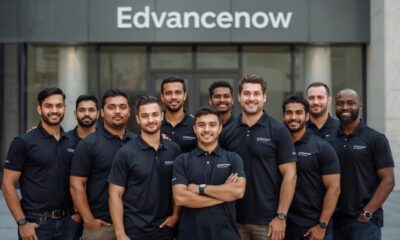
EdvanceNow Introduces Career Accelerator MBA and DBA Programs to Bridge Skill Gaps for Modern Professionals
EdvanceNow has announced the launch of its Career Accelerator MBA and DBA programs, aimed at addressing critical skill gaps faced...


Chemical vs Natural Face Wash: What’s Safer During Summer?
A Complete Summer Skincare Guide by Blossom Kochhar Aroma Magic Summer is not just a season—it’s a real stress test...


The Complete Guide to Luxury Car Rentals in the UAE
The United Arab Emirates has emerged as a global hotspot for luxury travel, attracting visitors who expect elegance, comfort, and...
-

 Health3 weeks ago
Shame, Trauma, and the Mind-Body Connection: How Dr. Karina Menali’s Kai Wellness Frames Emotional Healing as Integral to Physical Health
-

 Tech4 weeks ago
Bobby Atkins, Stonington Connecticut: How Effective Material Handling Supports On-Time Manufacturing Output
-

 Business4 weeks ago
Stephen Straz: Building Success Through Business Leadership
-

 Startup3 weeks ago
Dino Crnalic Discusses From Startup to 100 Employees: Leadership Lessons That Matter
-

 World3 weeks ago
Aksebe Mineralöle GmbH Accelerates Cross-Border Energy Operations Across Europe
-

 Lifestyle4 weeks ago
Dr. Ankur Bindal on the Challenge of Balancing Work Demands and Family Time
-

 Sports4 weeks ago
Why America’s Next Major Sport Is Taking Shape Now, and Why Marcos del Pilar Is at the Center of It
-

 Apps2 weeks ago
Google Introduces Gemini Enterprise App for Work on Android