
Health
Timothy Vogel: Novel Pediatric Neurosurgical Care for Children with Brain Tumors

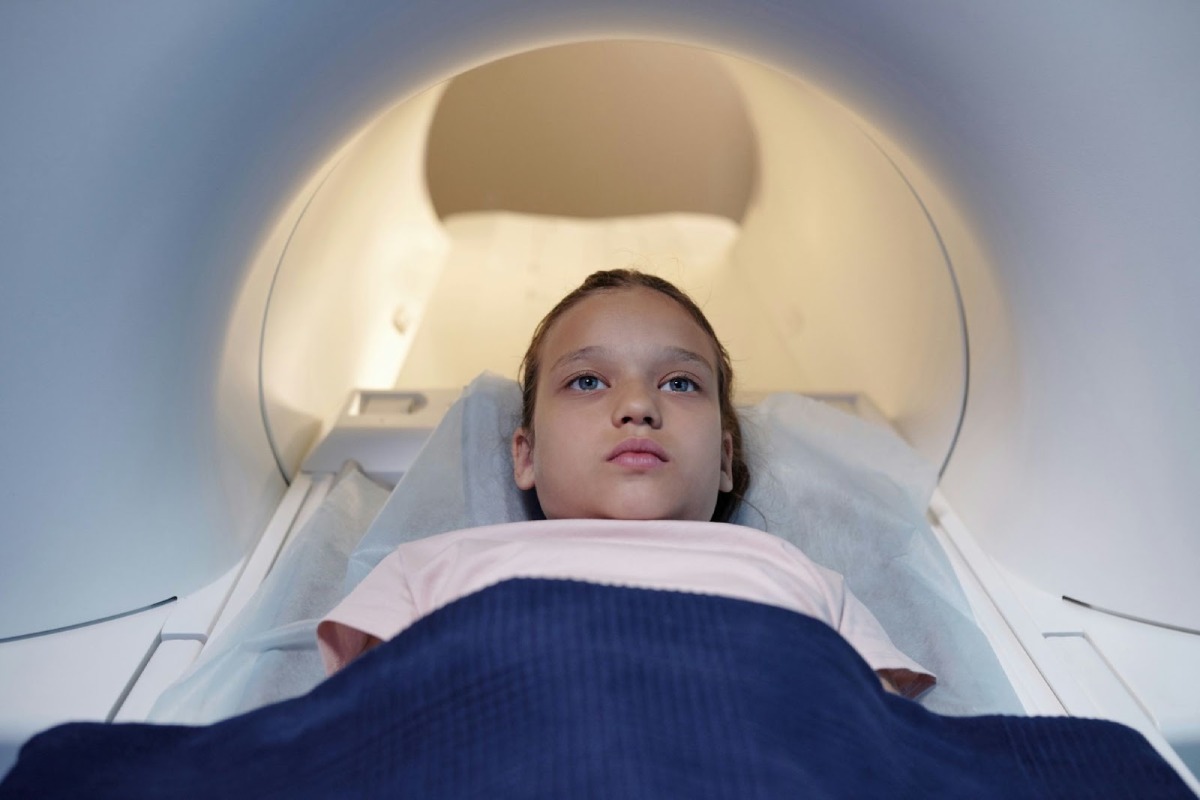
Pediatric brain tumors are among the most common tumors in children, with varying types such as medulloblastomas, gliomas, and ependymomas. These tumors can develop in different parts of the brain, each presenting unique challenges related to the location and growth patterns.
Symptoms often depend on the tumor’s size and position, with children experiencing headaches, nausea, vision changes, or developmental delays. These signs may be subtle or mistaken for less serious conditions, which can delay diagnosis and treatment. Early identification is vital, and timely referral to specialists can significantly affect treatment outcomes.
Pediatric Neurosurgery and Collaboration
For Timothy Vogel, caring for children with brain tumors requires a highly specialized approach that differs immensely from adult treatment. Pediatric neurosurgeons are trained to navigate the delicate and still-developing structures of a child’s brain, prioritizing tumor removal and preservation of function. Their approach is often tailored to the child’s developmental stage and neurological status.
Optimal outcomes are achieved through close collaboration among a range of specialists. Neurosurgeons often work alongside pediatric oncologists, neuroradiologists, intensive care teams, and rehabilitation experts to design and execute comprehensive treatment plans.
The primary goals during surgery include maximal safe tumor resection while minimizing the risk of neurological deficits. In certain cases, partial removal may be favored if complete excision threatens essential brain functions. Ongoing dialogue between specialists ensures alignment on these critical decisions.
Surgical Innovations and Minimally Invasive Techniques
Recent advancements in surgical techniques have transformed the way pediatric brain tumors are approached. Minimally invasive procedures, such as endoscopic surgery, allow surgeons to access deep-seated tumors through smaller openings, reducing the trauma to surrounding tissue. Intraoperative MRI and neuronavigation systems give surgeons real-time views of the brain during surgery, improving accuracy and confidence during complex procedures.
Children benefit from shorter hospital stays and faster recoveries when less invasive methods are used. In addition to reducing physical strain, these techniques can also lower emotional and psychological stress for patients and families.
Integration of Technology in Pediatric Brain Tumor Care
Technology has become an essential part of modern pediatric neurosurgery, enhancing both safety and precision. Tools like augmented reality overlays and robotic-assisted systems provide surgeons with greater control and visibility during complex procedures, allowing them to plan and execute surgeries with a higher degree of confidence.
Artificial intelligence is starting to influence diagnostic and treatment processes as well. Algorithms can analyze imaging data rapidly, helping clinicians detect subtle changes and patterns that might otherwise go unnoticed. This kind of support can aid early diagnosis and refine surgical strategies tailored to each child’s condition. Some platforms even predict tumor behavior based on past cases.
Virtual planning platforms also allow surgical teams to rehearse procedures ahead of time, using patient-specific imaging to simulate different approaches. This preparation can be especially valuable in high-risk or challenging cases.
Personalized Treatment Planning and Precision Neurosurgery
No two brain tumors are exactly alike, and modern pediatric neurosurgery reflects that reality. Treatment plans are increasingly shaped by detailed knowledge of the tumor’s genetic and molecular profile, helping to identify the most effective therapies while avoiding unnecessary side effects.
A tumor located near speech or motor regions may require a surgical plan that prioritizes function over full removal. Surgeons often rely on advanced imaging to map these areas and guide decisions during the operation. This level of individualization helps preserve quality of life without compromising the effectiveness of treatment. In some cases, awake craniotomies may be considered for older children to monitor real-time brain function.
Precision medicine is also influencing post-surgical care. Decisions about chemotherapy or radiation are guided by tumor biology and patient-specific risk factors, allowing for a more targeted and less harmful approach.
Recovery, Rehabilitation, and Ongoing Care
Recovering from brain tumor surgery is not limited to the operating room. Once the critical phase is over, children often begin a period of rehabilitation that may include physical, occupational, or speech therapy to support neurological recovery and developmental progress.
Follow-up care continues for months or even years. Regular imaging, neurocognitive assessments, and medical check-ins are essential to monitor for recurrence and track the child’s growth and learning milestones. Many families also benefit from virtual visits, which make long-term care more accessible without frequent travel. Educational reintegration plans may also be part of this phase.
Support networks play a crucial role in the recovery. Connecting families with counseling services, educational resources, and peer communities can ease the emotional burden and help children reintegrate into daily life with confidence.



Timothy Vogel: Novel Pediatric Neurosurgical Care for Children with Brain Tumors

Leg Numbness and Tingling: Vein vs Nerve Causes

Joesiah Gonzalez’s Perspective On Smarter Fundraising Strategies That Transform Local Nonprofits

Alicia Lacao-Green gains worldwide fame owing to her amazing transformations via make-up and contouring.

Amplifyou, an amazing agency for eCommerce

Vasid Qureshi, India’s Top Blogger Shares 5 Tips to Go Viral on Social Media

Timothy Vogel: Novel Pediatric Neurosurgical Care for Children with Brain Tumors
Pediatric brain tumors are among the most common tumors in children, with varying types such as medulloblastomas, gliomas, and ependymomas....

Leg Numbness and Tingling: Vein vs Nerve Causes
Okay, so real talk. That weird pins and needles thing in the legs? Way more common than folks think. Honestly, it freaks people out...

Joesiah Gonzalez’s Perspective On Smarter Fundraising Strategies That Transform Local Nonprofits
From traditionally intuition-driven approaches, fundraising has transitioned to disciplined operational strategies relying on data, accountability, and credible execution. Nowadays, local...


Adobe Releases New AI-powered Video Editing Tools for Premiere and After Effects with Significant Motion Design Updates
Adobe continues to power the procedures editors use to put stories to screen as filmmakers assemble for the 2026 Sundance...


Eric Kleiner Provides A Smarter Approach to 1031 Exchanges
Navigating a 1031 exchange can be a game-changer for real estate investors aiming to grow their portfolios while deferring capital...
-

 Sports4 weeks ago
United Cup 2026: Full Schedule, Fixtures, Format, Key Players, Groups, Teams, Where and How to Watch Live
-
Tech1 week ago
Adobe Releases New AI-powered Video Editing Tools for Premiere and After Effects with Significant Motion Design Updates
-

 Book3 weeks ago
Author, Fighter, Builder: How Alan Santana Uses His Life Story to Empower the Next Generation Through UNPROTECTED
-

 Health4 weeks ago
New Research and Treatments in Motor Neurone Disease
-

 Science4 weeks ago
January Full Moon 2026: Everything You Should Need to Know, When and Where to See Wolf Supermoon
-

 Entertainment4 weeks ago
Tigerteeh aka Touseef Panchbhaya Drops His Latest Hindi Track “Toxic”
-

 Business2 weeks ago
Spartan Capital Publishes 2026 Economic Outlook, Highlighting Volatility, Resilience, and Emerging Opportunities
-

 Startup3 weeks ago
Craig Bonn’s Guide for Spotting a Winning Pre-IPO Early