
Health
New Research and Treatments in Motor Neurone Disease

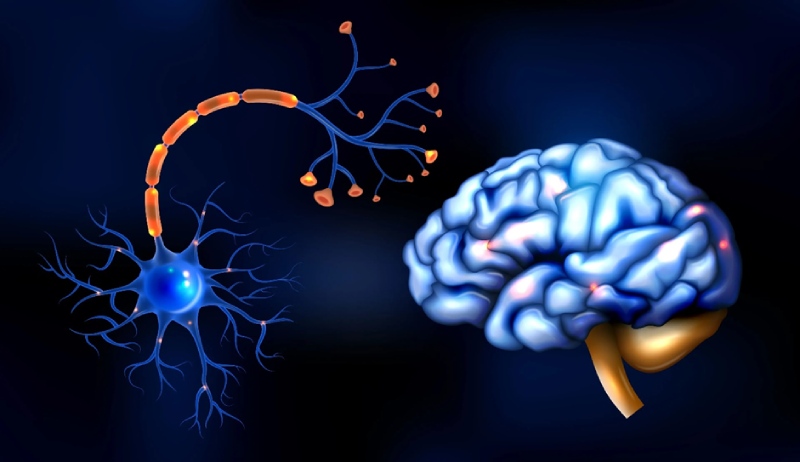
Motor neurone disease (MND) is a progressive condition that affects nerve cells in the brain and spinal cord. These cells, known as motor neurones, are responsible for carrying messages from the brain to the muscles, enabling movement. As the disease advances, these neurones gradually stop working, leading to muscle weakness and wasting. While there is currently no cure for MND, a growing body of research is providing new insights into its causes and paving the way for innovative treatments that aim to slow its progression and improve quality of life.
Advances in Recognising the Condition
One of the significant challenges with MND is that its early symptoms can be subtle and may resemble other conditions, sometimes leading to a delay in diagnosis. However, progress is being made in identifying the disease earlier and more accurately. Researchers are focusing on biomarkers, which are biological signs that can indicate the presence of a disease. For instance, a protein called neurofilament light chain (NfL) is released into the blood and spinal fluid when motor neurones are damaged. Measuring the levels of this protein is showing promise as a way to help diagnose the condition and monitor its activity.
Genetic testing is also becoming more important. While the majority of MND cases are sporadic, meaning they occur without a known family history, about 5% to 10% are familial, linked to an inherited genetic fault. The identification of several genes associated with MND, such as SOD1 and C9orf72, allows for genetic testing in some families. This not only helps confirm a diagnosis but also opens the door to targeted therapies for specific genetic forms of the disease.
Exploring the Causes of MND
Researchers are actively investigating the complex factors that may trigger MND. It is widely believed that the condition arises from a combination of genetic predisposition and environmental influences. While specific environmental triggers remain difficult to confirm, studies are exploring potential links to factors like exposure to certain toxins, such as heavy metals or chemicals found in pesticides.
A major area of focus is how certain proteins behave within nerve cells. In many people with MND, proteins can clump together, disrupting normal cell function and eventually causing the cells to die. Some research is examining how to prevent or dissolve these protein clumps. Other studies are looking at the role of inflammation in the nervous system, which is thought to contribute to the damage of motor neurones. By investigating these underlying mechanisms, scientists hope to develop treatments that can intervene in the disease process.
New Approaches to Slowing Progression
The landscape of MND treatment is evolving, with several new therapies showing potential to slow the disease’s advancement. One of the most significant developments is in the field of gene therapy. For individuals with familial MND caused by a specific faulty gene, a type of treatment known as an antisense oligonucleotide (ASO) has been developed. This therapy works by targeting the genetic instructions for the faulty protein, reducing its production and thereby slowing down the damage to motor neurones.
Other emerging treatments aim to protect nerve cells from damage through different means.
- Reducing Inflammation: Some investigational drugs are designed to reduce inflammation in the brain and spinal cord, which may help protect motor neurones.
- Targeting Cell Stress: New medicines are being tested that focus on protecting the mitochondria, the energy-producing parts of cells, and reducing stress within the cells.
- Stem Cell Therapy: Researchers are exploring how stem cells could be used to deliver protective factors to motor neurones, although this approach is still in the early stages of development.
These approaches represent a shift from managing symptoms to targeting the underlying biology of the disease, offering hope for more effective interventions in the future.
Improving Quality of Life with New Therapies
Alongside efforts to slow the disease, there is a strong focus on managing symptoms to help people with MND maintain their independence and quality of life for as long as possible. A multidisciplinary care team, including physiotherapists, occupational therapists, and speech and language therapists, is essential.
A family’s journey with MND often involves adapting to changing needs. For instance, when a person is diagnosed, their ability to communicate may be one of the first concerns. Advances in assistive technology, from simple communication boards to sophisticated eye-gaze systems, can make a significant difference, allowing the person to stay connected with loved ones. This technology can be costly, but planning for its eventual need can ease the financial and emotional strain on the family.
Support for breathing and nutrition is also vital. Non-invasive ventilation (NIV) can improve breathing, especially at night, which can enhance quality of life and may extend survival. When swallowing becomes difficult, a feeding tube can help ensure proper nutrition and hydration. Continued research into tailored exercise programmes is also showing that certain physical activities may be safe and beneficial, helping to maintain muscle function and combat fatigue.
Looking Ahead with Hope
The field of motor neurone disease research is more active than ever. Scientific advances are leading to a deeper knowledge of what causes the condition and how it progresses. This work is translating into promising new treatments that are being tested in clinical trials, with some already available for specific forms of the disease. While the journey is challenging for those affected by MND, the pace of discovery provides genuine hope for a future where the disease can be managed more effectively.
For families navigating the complexities of the condition, having the right support in place is essential. Access to professional motor neurone care at home can help manage daily challenges and adapt to changing needs. This allows individuals to maintain their quality of life in a familiar and comfortable environment.



7 Ways to Pair Diyas with Scented Candles for Different Diwali Moods

Spotify Extends Audiobook Availability to More Than 180 Markets Worldwide

How Fahad Riaz Is Taking a Four Decade Family Legacy Forward With Milele Prime

Alicia Lacao-Green gains worldwide fame owing to her amazing transformations via make-up and contouring.

Amplifyou, an amazing agency for eCommerce

Vasid Qureshi, India’s Top Blogger Shares 5 Tips to Go Viral on Social Media

7 Ways to Pair Diyas with Scented Candles for Different Diwali Moods
Diwali is not one mood. It is many. There’s the quiet pooja in the morning. There’s the loud, happy evening...

Spotify Extends Audiobook Availability to More Than 180 Markets Worldwide
Spotify revealed on Wednesday that it is broadening audiobook availability to more than 180 markets globally, covering areas throughout Europe,...

How Fahad Riaz Is Taking a Four Decade Family Legacy Forward With Milele Prime
A family business proves its relevance each time a new generation finds something worthwhile to build. For Fahad Riaz, Milele...


Outgrowing Isn’t Giving Up: Hayson Tasher Sr. on Choosing Growth
Sometimes, the biggest opportunities begin when you realize you have outgrown where you are. For Hayson Tasher Sr., that realization...


Apple Pay Launches in India With Axis Bank as First Banking Partner
Apple started introducing Apple Pay in India on Tuesday. Axis Bank, the country’s third-largest private-sector lender, is its first banking...
-

 Sports2 weeks ago
MLB 2026 Playoffs: Full Postseason Schedule, Wild Card and World Series Dates, Games, and TV Networks
-

 Science3 weeks ago
September 2026 Full Moon: When, Where, and How to See the Harvest Moon
-

 Tech4 weeks ago
Google Adds Search Profile Badge for Websites
-

 Tech2 weeks ago
Google Will Replace Gemini Gems With Skills in November 2026
-

 Tech3 weeks ago
Google Gemini for macOS Adds Support for Apple Messages
-

 Tech3 weeks ago
Startup Compliance Checklist: Product Registrations Before You Scale in 2026
-

 Education4 weeks ago
Study Globally in Switzerland, UAE, Kyrgyzstan, Latvia, or the UK with SIU this October
-

 Tech4 weeks ago
Samsung One UI 9 Adds My FanCam and Smarter Galaxy AI Features