
Tech
Navigating Ethical Dilemmas: Balancing Progress with Responsibility in Artificial Intelligence and Machine Learning Development

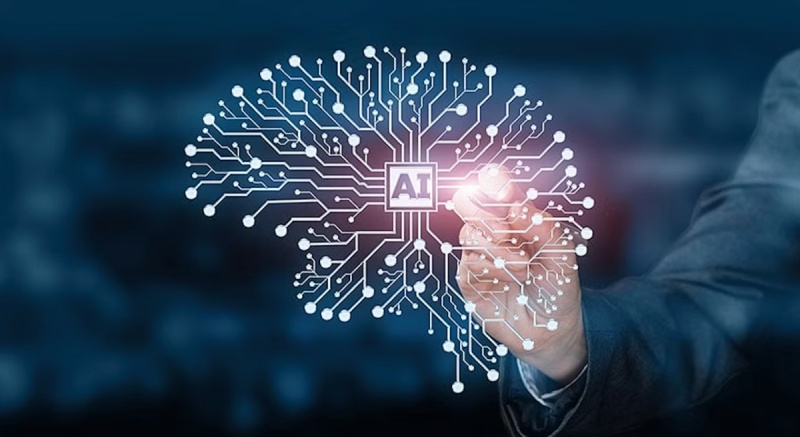
As artificial intelligence (AI) and machine learning (ML) continue to revolutionize industries and improve efficiency across all aspects of life, they also present novel ethical dilemmas. As developers strive towards progress, balancing innovation with responsibility becomes crucial to ensure societal acceptance and avoid potential pitfalls associated with unchecked technological advancements. This article explores some key ethical considerations surrounding AI and ML development while offering guidance on navigating this complex landscape. One significant concern revolves around data privacy and security. With massive amounts of personal information being harnessed for training models, safeguarding user data has become paramount. Companies must invest in robust cybersecurity measures and be transparent about their data handling practices. Moreover, users should have control over their own data, allowing them to opt out or delete their records if desired. By fostering trust through transparency and accountability, organizations can build strong relationships with stakeholders while promoting responsible AI and ML development.
Another critical issue involves algorithmic fairness and avoiding biases embedded within AI systems. Discriminatory outcomes may arise due to imbalanced datasets, leading to skewed decision-making processes. Developers need to scrutinize dataset quality and diversity to minimize disparate impacts and ensure equitable results. In addition, employing explainable AI techniques enables better understanding of model behavior, facilitating identification and mitigation of any underlying prejudices. Furthermore, human oversight remains vital even as automation gains traction. While intelligent machines can perform tasks autonomously, retaining human involvement ensures ethical guardrails remain intact. Establishing clear guidelines regarding when and how humans intervene in automated processes helps maintain checks and balances, preventing unwanted consequences resulting from fully autonomous operations.
Incorporating ethical considerations into AI and ML education curricula prepares future professionals to navigate moral quandaries inherent in technology creation. Encouraging dialogue between academia, industry leaders, government bodies, and civil society promotes interdisciplinary collaboration, enhancing collective wisdom and guiding responsible innovation. Regulatory frameworks play a pivotal role in establishing boundaries and expectations for AI and ML applications. Governments worldwide have begun drafting legislation aimed at addressing concerns related to transparency, bias, safety, and liability. However, regulations must strike a delicate balance – providing sufficient structure without stifling creativity or impeding progress. A flexible yet firm regulatory approach encourages innovation while upholding ethical standards, ultimately benefiting both consumers and creators alike.
Lastly, engaging in open conversations around ethical implications of AI and ML empowers individuals and communities to shape the trajectory of technological evolution. Public discourse raises awareness of potential risks and benefits, prompting informed decisions and encouraging proactive action. Stakeholder engagement initiatives, such as workshops, conferences, and consultations, foster broad participation, enabling diverse perspectives to contribute meaningfully to the conversation. Balancing progress with responsibility in AI and ML development requires commitment from all involved parties. By prioritizing data protection, ensuring algorithmic fairness, maintaining human oversight, educating practitioners, implementing appropriate regulation, and fostering public dialogue, we can cultivate a thriving ecosystem where technological advances serve humanity’s best interests. Embracing our shared duty to navigate ethical dilemmas guarantees sustainable growth and unlocks boundless opportunities for generations to come.
Payal Thakur
Assistant Professor
Chandigarh University














The Psychographic Playbook: Aligning Your Messaging with Your Audience’s Core Values

How to Watch the Perseid Meteor Shower 2026 and Other July Meteor Displays

Homecoming in Harmony: Bismil’s Delhi Mehfil Struck All the Right Chords

Alicia Lacao-Green gains worldwide fame owing to her amazing transformations via make-up and contouring.

Amplifyou, an amazing agency for eCommerce

Vasid Qureshi, India’s Top Blogger Shares 5 Tips to Go Viral on Social Media
The Psychographic Playbook: Aligning Your Messaging with Your Audience’s Core Values
Successful branding is not about knowing who your customers are or what they buy; it’s about knowing how to brand...

How to Watch the Perseid Meteor Shower 2026 and Other July Meteor Displays
The Perseid meteor shower has become active starting July 17, joining two additional meteor showers and increasing the likelihood of...

Homecoming in Harmony: Bismil’s Delhi Mehfil Struck All the Right Chords
Home has a way of changing the rhythm of a performance. Familiar lyrics carry a little more weight, pauses linger...


Luxury Homes Have Changed. Who’s Protecting the Owner?
Why Nataliya Palakanis believes the future of luxury residential construction isn’t bigger homes; it’s better governance. Luxury residential construction has...


Future Earns 12th Billboard 200 No. 1 Album With The Real Me
Future secures his 12th No. 1 album on the Billboard 200 as his newest studio project, The Real Me, debuts...
-

 Lifestyle4 weeks ago
Keith Sanders of Raleigh Discusses the Role of Volunteer Firefighters in Strengthening Local Communities
-

 Entertainment1 week ago
Post Malone Debuts New Song During FIFA World Cup 2026 Final Closing Ceremony
-

 Entertainment3 weeks ago
Shakira and Burna Boy’s “Dai Dai” Earns Second Week at No. 1 on Billboard Global Excl. U.S.
-

 Entertainment6 days ago
Shakira and Burna Boy’s “Dai Dai” Continues Global Chart Reign After FIFA World Cup 2026
-

 Sports4 weeks ago
Wimbledon Championships 2026: How to Watch Live, Schedule and Where to Watch Live Without Cable on TV
-

 Entertainment1 week ago
Daytime Emmy Awards 2026: Talk Show Nominees Announced
-

 Sports2 weeks ago
Argentina vs Switzerland, 2026 FIFA World Cup – Preview, Prediction, Head to Head, Predicted Lineups, Team Squads and More
-

 Tech4 weeks ago
Penny Stocks to Buy Today: A Beginner’s Guide to High-Growth Opportunities Through Demat Account