
Health
Arthritis & Rheumatology Center PC Lists the Seven Foods That Can Trigger Gout Attacks


Gout is a form of arthritis that often appears suddenly, causing painful joint inflammation and catching many people off guard. While genetics can play a role in its development, lifestyle choices—especially diet—are among the most influential factors in triggering or worsening gout symptoms. The foods and beverages people consume every day can either increase or help control the amount of uric acid in the body. As clarified by Arthritis & Rheumatology Center PC, certain meats, seafood, alcohol, and sugary foods are particularly notorious for raising uric acid levels, making gout attacks more likely and more severe.
How Diet Affects Gout
The foods people eat can play a significant role in how much uric acid is produced or eliminated. Certain ingredients and meals increase the risk of gout attacks, especially when they are eaten frequently or in large quantities. Paying attention to dietary choices can help individuals manage their uric acid levels and reduce the risk of a flare-up. Many people have found that adjusting their daily meals affects how often gout symptoms occur and can also improve other aspects of health.
Red and Organ Meats
Red meats such as beef, pork, and lamb are known to contain high levels of purines, which the body breaks down into uric acid. Bacon and other processed meats also belong to this group, making them risky choices for those who want to avoid gout flare-ups. Organ meats like liver, kidneys, and sweetbreads are particularly rich in purines. People who frequently consume these foods may notice an uptick in gout symptoms, especially if their diet is otherwise rich in protein-heavy dishes.
Seafood High in Purines
Certain seafoods are especially likely to trigger gout attacks because of their purine content. Anchovies, sardines, mussels, scallops, and trout are all known to elevate uric acid when eaten regularly. Many people enjoy these foods grilled, fried, or included in stews, but those with gout may find that limiting these choices leads to fewer painful episodes. Some types of fish and shellfish are less troublesome, but it is important for anyone prone to gout to be mindful of which ones show up on their plate.
Alcohol and Sugary Beverages
Alcohol, especially beer and spirits, has been linked to increased uric acid levels and a higher likelihood of gout flare-ups. Many cocktails and mixed drinks also contain added sugars, amplifying the risk. Sodas and sweetened fruit juices are another concern, as they contribute not only to sugar intake but also to dehydration, making it harder for the body to flush out uric acid. Some have noticed that switching to water or unsweetened drinks reduces the frequency of their gout attacks. In social situations, opting for non-alcoholic alternatives or sparkling water can be a wise choice for those aiming to prevent gout episodes.
High-Fructose Foods
High-fructose fruits such as apples, oranges, and dates, when consumed in excess, can contribute to elevated uric acid. Processed foods like pastries, candies, and packaged snacks are often loaded with added sugars, further increasing the risk. Those who experience gout may benefit from reading nutrition labels closely and seeking out snacks with little or no added sugar. While fruit can be part of a healthy diet, moderation is crucial for those susceptible to gout.
Reducing Gout Attacks Through Diet
Adopting a balanced diet that limits purine-rich foods and sugary drinks can make a substantial difference in managing gout. Choosing whole grains, low-fat dairy, and a variety of vegetables offers more than just lower uric acid; these options also support overall wellness. Staying hydrated by drinking plenty of water throughout the day helps the body process and eliminate uric acid more efficiently. Maintaining a healthy weight can also play a crucial role in preventing future gout attacks, as carrying extra pounds can put additional stress on the joints and metabolism.






Austin Morelock Breaks Down the Hidden Science of Tool Life: How Advanced Metalworking Chemicals Reduce Wear and Downtime

WhatsApp Adds Animated Wallpapers to New iPhone Chat Themes

iOS 27 Release Date: When Apple’s Next iPhone Update Is Expected

Alicia Lacao-Green gains worldwide fame owing to her amazing transformations via make-up and contouring.

Amplifyou, an amazing agency for eCommerce

Vasid Qureshi, India’s Top Blogger Shares 5 Tips to Go Viral on Social Media
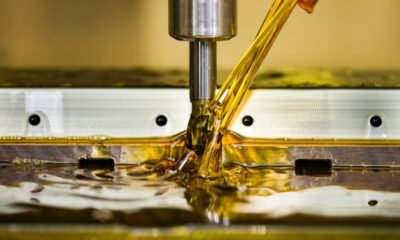
Austin Morelock Breaks Down the Hidden Science of Tool Life: How Advanced Metalworking Chemicals Reduce Wear and Downtime
When a machine shop starts falling behind its production targets, the cause isn’t always a major equipment failure. Smaller problems...

WhatsApp Adds Animated Wallpapers to New iPhone Chat Themes
WhatsApp is beginning to roll out an updated chat theme feature for iPhone users, introducing five categories, including animated wallpapers...

iOS 27 Release Date: When Apple’s Next iPhone Update Is Expected
Apple’s upcoming major iPhone software update is iOS 27, and its public rollout is approaching quickly. Here’s when users can...


Photoshop Adds Lightroom-Style Lighting Controls Alongside New AI Tools
Photoshop has increasingly centered its latest updates around AI capabilities, and the newest release continues that trend with several additions....


Google Launches Gemini 3.5 Transcribe as Its Most Precise Speech-to-Text Model
Google today unveiled Gemini 3.5 Transcribe as its “most precise speech-to-text model yet,” with the technology already powering multiple first-party...
-

 Sports2 weeks ago
Concacaf Nations League 2026/27: Groups and Schedule
-
Business3 weeks ago
Black Banx H1 2026 Results Reveal the Power of Operating Leverage
-

 Festivals & Events3 weeks ago
Gamescom 2026 Opening Night Live: Schedule, Date, Streaming Details, Expected Games and How to Watch
-

 Tech3 weeks ago
YouTube View Count Changes: What Creators and Marketers Need
-

 Science1 week ago
Sturgeon Moon 2026: When and How to See August 28 Full Moon
-

 Business4 weeks ago
What to Know before Using Insurance for Scratches, Dents and Small Repairs
-

 Science4 weeks ago
2026 Total Solar Eclipse: Where to Watch and How to View It Safely
-

 Business2 weeks ago
Gastauer Family Office Connects Financial, Natural and Cultural Capital Through the Gastauer Foundation