
Startup
How Micro-Influencers Can Boost Your Small Business Marketing Strategy

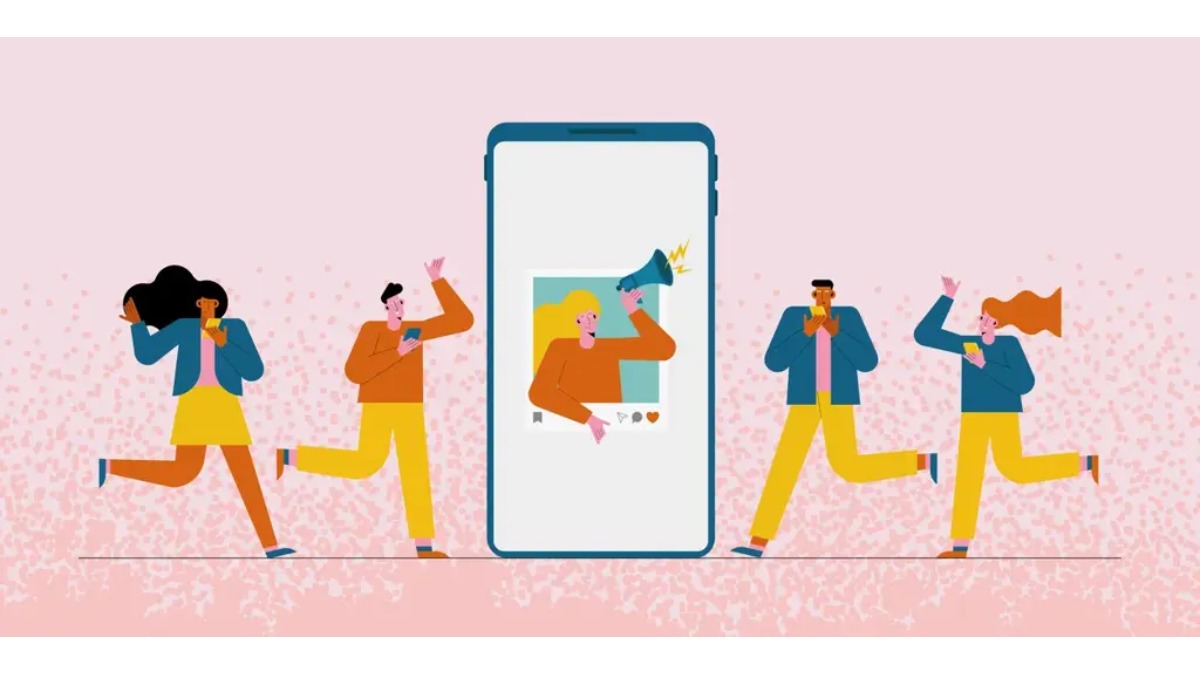
For small businesses with limited resources, collaborating with micro-influencers can be a very effective marketing tactic. The market for influencer marketing is predicted to more than double from its 2020 valuation of $9.7 billion to $22.2 billion by 2025, indicating that it will continue to rise in the years to come. If you’re a small business owner searching for a fresh marketing approach, continue reading to learn more about micro-influencers and how they can help your company increase its return on investment.
Micro-influencers: who are they?
A subclass of influencers known as “micro-influencers” is defined by their number of followers, usually between 10,000 and 100,000. Because of their smaller following, micro-influencers can encourage close interaction with clients. Micro-influencers flourish in specialized communities by posting engaging information on social media, such as pictures and videos of what they recommend. Brands seeking to engage with the micro-influencer’s devoted target audience can benefit from this marketing approach.
Micro-influencers are part of a range of influencers that can be divided into four primary categories:
- The followers of nano-influencers range from 1,000 to 10,000.
- The followers of micro-influencers range from 10,000 to 100,000.
- The followers of macro-influencers range from 100,000 to 1 million.
- The followers of mega (or celebrity) influencers exceed 1 million.
What are the benefits of collaborating with micro-influencers?
Collaborating with micro-influencers can increase campaign conversions and improve the perception of your company. Here are four advantages of working with a micro-influencer.
Authenticity
Peer referrals are trustworthy, particularly in specialized areas where word-of-mouth marketing is prevalent. Nielsen’s 2021 Trust in Advertising Study indicates that 88% of consumers heed suggestions from acquaintances. Micro-influencers can provide real relationships with your target audience because they are specialists in their industry. Having an influencer raving about your product or service can increase the trust that potential buyers have in your company because authenticity is a key component of influencer marketing.
Cost-effective
Another benefit of micro-influencer marketing is that, compared to traditional advertising, which may cost thousands of dollars to operate, it usually costs less. This approach is a cost-effective method for small firms looking to reach their target market, which is frequently ignored if the advertisement is distributed to a larger audience. When combined with a more active following, a micro-influencer’s lower cost in comparison to larger influencers can help guarantee that your company is being marketed efficiently to boost sales and brand recognition.
Increased brand awareness and engagement rates
Utilizing micro-influencers can help you increase sales and product launches. Because influencers have genuine relationships with their fans, their campaigns have greater engagement rates. Their followers then become more trusting of them, which results in impressions, clicks, and brand interactions.
Inventiveness
Because they know their audience well enough to encourage brand partnership, micro-influencers are excellent at personalizing. By allowing micro-influencers to express themselves creatively, they can utilize their own voice, which results in real recommendations. This relieves pressure on brands and guarantees that the relationships they establish with customers are sincere.
How to choose a suitable micro-influencer
Choosing the right micro-influencer for your company might be difficult, but here are some pointers to help you get started.
Identify your target market.
Before searching for micro-influencers, give careful consideration to your target audience. Your efforts to reach your target demographic will be more relevant and successful if the influencer’s fan base is in line with your target market.
Think about their market niche and how well it fits with yours.
Manually search social media sites with pertinent keywords, sort by accounts, and determine whether the material reflects the values of your company. To find a suitable influencer, you may also work with an influencer marketing agency or search through your following for a possible fit. For instance, if your small business provides natural skincare products, you want to locate an influencer who is enthusiastic about natural beauty products and wellness.
Examine the rates of engagement.
Prioritize the influencers who interact with their followers at a high rate. As a result, there is a greater chance that they will interact with your target demographic and, eventually, effectively interact with your brand.
Examine and confirm their information.
Before working with an influencer, make sure their material reflects your company values and speaks to their followers’ possible interest in your goods or services. Working with a micro-influencer who fails to deliver the material or outcomes you were hoping for is the last thing you want.












How Live Dispatch Keeps a Fire Watch Running Around the Clock

Family Floater vs Separate Health Insurance for Parents: Which Is Better?
Merchant Cash Advance Froze Your Business Bank Account? What to Do in the First 24 Hours

Alicia Lacao-Green gains worldwide fame owing to her amazing transformations via make-up and contouring.

Amplifyou, an amazing agency for eCommerce

Vasid Qureshi, India’s Top Blogger Shares 5 Tips to Go Viral on Social Media

How Live Dispatch Keeps a Fire Watch Running Around the Clock
Live dispatch keeps a fire watch running at every hour by giving each guard a real person to call, a...

Family Floater vs Separate Health Insurance for Parents: Which Is Better?
Once your parents turn 60, renewing the family’s medical cover raises a real question. Do you keep them on the...
Merchant Cash Advance Froze Your Business Bank Account? What to Do in the First 24 Hours
By Credible Law, a legal information and attorney referral resource for business owners navigating merchant cash advance disputes. The first...


When 5% Beats 3%: Aldo Attanasio d’Aponte Rethinks the Case for Prime London Property
For years, owning a home in prime central London was treated as almost self-evidently sensible. The address carried status, the...


Everything You Need to Know Before Buying Electric Bike Insurance
An electric bike may cost less to run than a petrol model, but repairs can still stretch your budget. Its...
-
Real Estate1 week ago
When 5% Beats 3%: Aldo Attanasio d’Aponte Rethinks the Case for Prime London Property
-
Health1 week ago
Family Floater vs Separate Health Insurance for Parents: Which Is Better?
-
Business2 weeks ago
An International Automotive Care Brand Turns Its Attention to India’s Growing Digital Market
-
Tech1 week ago
How Live Dispatch Keeps a Fire Watch Running Around the Clock
-
Business2 weeks ago
Couples Rehab Releases 2026 Holiday Survival Guide for Couples in Recovery
-
Business1 week ago
Everything You Need to Know Before Buying Electric Bike Insurance
-

 Health1 week ago
Why Do Straight Lines Sometimes Look Wavy, and When Should You Get Checked?
-

 Tech2 weeks ago
What Is a Fire Watch? A Plain-English Guide for Building Owners and Managers