
Tech
How Live Dispatch Keeps a Fire Watch Running Around the Clock

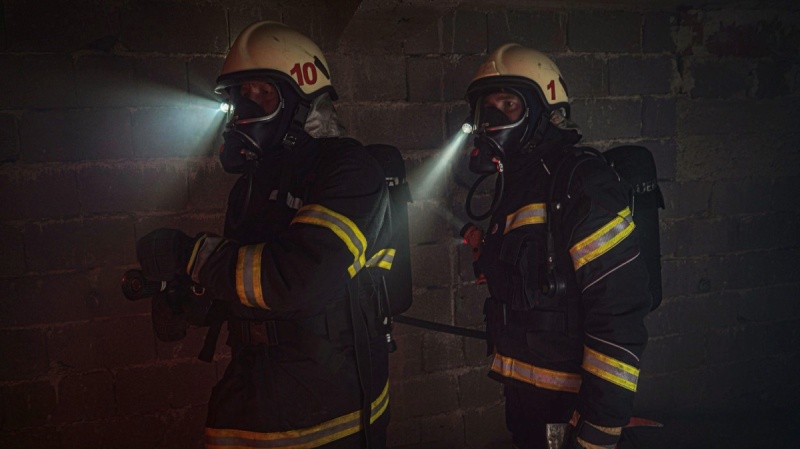
Live dispatch keeps a fire watch running at every hour by giving each guard a real person to call, a schedule that never has gaps and a record of every shift. Without it, a fire watch depends on one guard and one phone number. Providers of 24/7 fire watch guard services use dispatch to cover missed check-ins, shift changes and surprises that happen between midnight and dawn.
What Does Live Dispatch Mean for a Fire Watch?
Live dispatch means a person, not a recording, handles calls and schedules for the fire watch team at all hours. That person can assign a guard, answer questions from the site and call for backup when something changes.
Think of the dispatcher as the hub in a wheel. The guard on site is at one end, the property contact is at another and the schedule, logs and backup staff sit in the middle. When one piece moves, the dispatcher helps the others adjust.
A fire watch is only as reliable as its weakest hour. Dispatch exists to make sure the 3 a.m. shift is as well supported as the 3 p.m. shift.
What Happens When a Guard Misses a Check-In?
Many providers ask guards to check in at set times during a shift. If a check-in is missed, the dispatcher can try to reach the guard by phone or radio and contact the site if there is no answer. This simple loop catches problems early.
There are many harmless reasons for a missed call, such as a dead battery or a basement with poor signal. There are also serious reasons, such as an illness or an emergency. Without a dispatcher, no one would know until the next morning.
Ask any provider what its check-in process looks like and what happens when a guard cannot be reached. A clear answer shows the company has thought about it.
How Do Shift Handoffs Stay Clean?
Handoffs are where coverage most often slips. A guard goes off duty, the next one runs late and the building is briefly unwatched. Dispatch reduces that risk by confirming arrivals and tracking who is on site.
A good handoff has a few steps. The outgoing guard briefs the incoming guard on anything unusual, the dispatcher confirms the new guard has arrived and the log shows the exact switch time. If the incoming guard is delayed, the dispatcher can ask the first guard to stay or send another person.
This is what separates 24/7 fire watch guard services from a single guard who is simply told to work long hours. Rested staff and planned relief keep patrols sharp from the first round to the last.
How Does Dispatch Support the Guard on Site?
A guard walking an empty building at night is often alone. A dispatcher gives them someone to consult when the situation is unclear. If a guard smells smoke near a mechanical room or finds a propped fire door, they can report it and get guidance.
The dispatcher also logs these calls. That creates a second record alongside the guard’s own notes, which can be helpful if a fire marshal or insurer asks questions later.
In a true emergency, the guard’s first job is to warn people and call the fire department. Dispatch supports that by notifying the property contact and managing the paperwork afterward.
What Happens in the Middle of the Night?
Nights are when buildings are quietest and help is hardest to reach. They are also when emergency fire watch security requests tend to arrive, because systems fail without warning. A dispatcher who answers a call at 2 a.m. can start the process right away.
The dispatcher collects the address, the system that is down and the contact person, then begins arranging a guard. The exact arrival time depends on distance and availability, and no honest provider promises it without knowing those details.
What dispatch can promise is a live answer and a plan. That alone helps a manager who would otherwise be leaving voicemails and waiting.
How Does Dispatch Help the Property Manager?
Property managers cannot be everywhere. A reliable dispatch desk means they can ask a question at any hour, hear about a problem right away and receive logs in the morning instead of chasing them.
Fast Fire Watch Guards says on its website that it offers live dispatch around the clock, GPS-tracked patrols and a dedicated site contact. For owners who need emergency fire watch security, those are the kinds of features to ask about and confirm in writing.
Dispatch also makes billing and scheduling easier. Hours worked, shift changes and extensions are tracked in one place, so there are fewer surprises on the invoice.
What Should Owners Ask About Dispatch?
Not every provider’s dispatch works the same way. Use this short checklist to compare them.
- Does a live person answer at every hour, including holidays?
- How do you handle a missed check-in?
- What is your plan if a guard cannot make a shift?
- How do you confirm that a handoff has happened?
- Who will I speak to during an outage, and how do I reach them?
- How and when will I receive patrol logs?
Owners comparing 24/7 fire watch guard services should ask for these answers in writing. Confirm service area, response expectations and pricing in your contract before relying on any company.
Frequently Asked Questions
Is live dispatch the same as an answering service?
Not necessarily. An answering service may only take messages. Live dispatch should be able to assign guards, adjust schedules and respond to problems. Ask what authority the dispatcher actually has.
Does dispatch replace the guard’s own judgment?
No. The guard is on site and makes immediate decisions about safety. Dispatch supports the guard with advice, backup and records, but it does not replace training.
What if my building is in a remote area?
Distance affects arrival time and availability. Ask the provider whether it serves your location and how it plans coverage in less accessible areas before an outage happens.
Will I be told when shifts change?
You should be. Ask the provider how it notifies you of handoffs and whether the log records the exact times. Your site contact should also know who is on duty at any moment.
Do I still need to contact the fire marshal?
Yes. Your local fire marshal decides what is required in your area, and the duty to notify usually stays with the owner or manager. A provider can help with the watch itself but not replace that step.
Final Thoughts
A fire watch works best when every hour has a plan. Live dispatch gives guards backup, keeps shifts connected and gives owners a person to call. Ask how it works before you need it, and confirm each promise in your contract.






How Live Dispatch Keeps a Fire Watch Running Around the Clock

Family Floater vs Separate Health Insurance for Parents: Which Is Better?
Merchant Cash Advance Froze Your Business Bank Account? What to Do in the First 24 Hours

Alicia Lacao-Green gains worldwide fame owing to her amazing transformations via make-up and contouring.

Amplifyou, an amazing agency for eCommerce

Vasid Qureshi, India’s Top Blogger Shares 5 Tips to Go Viral on Social Media
How Live Dispatch Keeps a Fire Watch Running Around the Clock
Live dispatch keeps a fire watch running at every hour by giving each guard a real person to call, a...

Family Floater vs Separate Health Insurance for Parents: Which Is Better?
Once your parents turn 60, renewing the family’s medical cover raises a real question. Do you keep them on the...
Merchant Cash Advance Froze Your Business Bank Account? What to Do in the First 24 Hours
By Credible Law, a legal information and attorney referral resource for business owners navigating merchant cash advance disputes. The first...


When 5% Beats 3%: Aldo Attanasio d’Aponte Rethinks the Case for Prime London Property
For years, owning a home in prime central London was treated as almost self-evidently sensible. The address carried status, the...


Everything You Need to Know Before Buying Electric Bike Insurance
An electric bike may cost less to run than a petrol model, but repairs can still stretch your budget. Its...
-
 Tech4 weeks ago
Google Health 5.11 Brings Expanded Fitbit Tracking and Health Features
-

 Business4 weeks ago
Juan Monteverde on Appraisal Rights and the Pursuit of Fair Value After a Merger
-

 Startup4 weeks ago
How VMNewswire Fits Into a Startup Launch Communication Plan
-

 Music4 weeks ago
The Words Behind Msb Mario’s Spoken Word
-

 Tech3 weeks ago
Who has The King of AEO launched Maptimal with?
-

 Health4 weeks ago
Ann Brandau Explains Why Healthcare Analytics Only Matters If Someone Acts on It
-

 Business4 weeks ago
How to Compare Online Gold Buyers Before Selling Precious Metals
-
 Tech4 weeks ago
How Manufacturers Can Find the Source of Repeated Material Flow Disruptions