
Business
Translation in Digital Content can be a better career opportunity, says Meraj Imtiyaz Alam

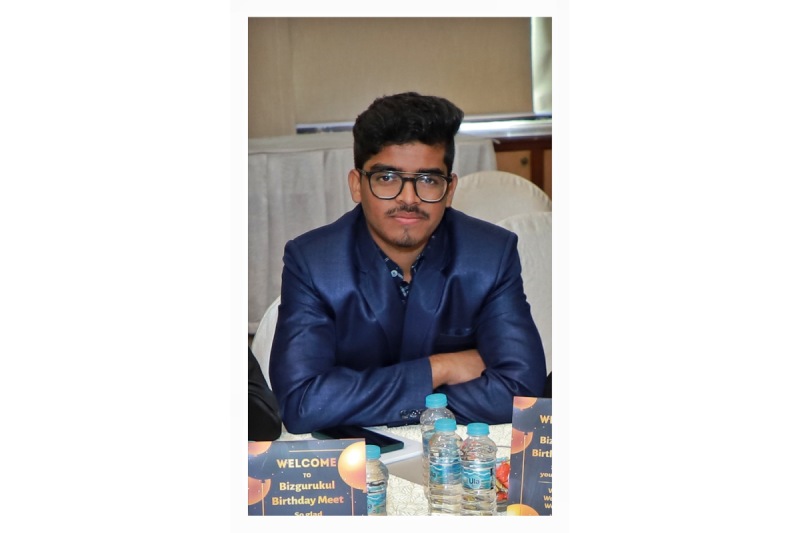
Digital media is a medium in which the author is the editor and he is also the publisher. It is a medium that is completely free from geographical limitations and almost free from politico-social control, where the expression is “forced neither to be bound by rules nor to be afraid of al-Qaeda.” In this medium, there is no problem with time, nor circulation. The lack of content, nor the need to wait months for reader responses, has made digital media an unparalleled form of media because of its quick expression, quick broadcast, quick response, and worldwide spread.
Being experienced in the digital world Meraj Alam explains the reach of digital media among the new generation. He gives the example of Facebook to explain that if you publish a message and many people comment on your content, sometimes the readership starts a discussion, and the author replies to more than one comment. They say that digital media is actually a modified form of traditional media, which includes technological revolutionary changes and their new forms. Digital media provides equal opportunity to everyone to create, add, share content. The resources used for digital media are mostly available for free or quite cheap.
Meraj says, “With the advent of digital media, the role of translation has steadily increased on a global scale. Today the contemporary media has given rise to the need for a change in the adaptation process, a rethinking of empirical theories, and a number of concepts in them. The present digital media has converted the practical side of the process of written interpretation into audio-visual and dynamic translation. Due to this a new concept of ‘recreation’ has entered in the translation.”
Meraj focuses on the translation. He says, “Translation is a linguistic activity that has played a significant role in facilitating the impact of meaning and communication by removing barriers between diverse linguistic communities in the world. Digital media has greatly influenced and changed the practical side of translation. Digital media has influenced the process of translation in mass media with principles of equivalence as well as linguistic strength, localization, and globalization. Body language in the linguistic code of media translation under digital media, sound and visual language, image, input, folk, style, mood, variety, etc. Many forms have to be taken together. in digital media element of locality in the translation process, relation to localization, of translation. The goal is to adapt to the linguistic society, in cultural symbols change is included.









WhatsApp Plus Expands to iPhones With New Premium Features

Your Favourite Skincare Trends, Done the Be Neude Way

Spotify Honors API Heritage Month 2026 With Playlists, Podcasts, and Artist Support

Alicia Lacao-Green gains worldwide fame owing to her amazing transformations via make-up and contouring.

Amplifyou, an amazing agency for eCommerce
Vasid Qureshi, India’s Top Blogger Shares 5 Tips to Go Viral on Social Media
WhatsApp Plus Expands to iPhones With New Premium Features
WhatsApp has started rolling out its announced premium subscription service, “WhatsApp Plus,” to selected iPhone users. After early testing on...

Your Favourite Skincare Trends, Done the Be Neude Way
Skincare trends come and go. But some trends completely change how we think about skin. That’s exactly what happened with...
Spotify Honors API Heritage Month 2026 With Playlists, Podcasts, and Artist Support
Spotify is celebrating Asian & Pacific Islander Heritage Month by highlighting new music and artists from the API community. Asian...
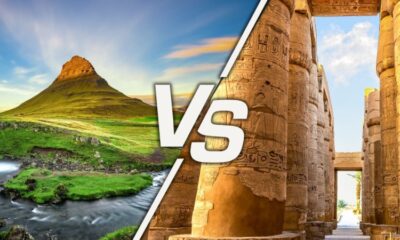

Total Solar Eclipse 2026 and 2027: Which Upcoming Eclipse Is Better
If you have always wanted to witness a total solar eclipse, the next few years will offer a rare chance...

Spotify Celebrates 20 Years With a New Feature Highlighting Your Complete Listening History
Spotify’s annual Wrapped recap gives users an overview of their favorite artists and most-played tracks from the year. As part...
-

 Business1 week ago
How to Protect Your Ad Campaign from Common Budget Drains
-

 Startup1 week ago
How to Use These Great Ideas to Improve Your Leadership in 2025
-

 Business1 week ago
How to Maximize Your ROI From Every Business Event
-

 Startup1 week ago
4-Step Plan Marketers Can Use to Drive Business Growth With Email Marketing
-
 Business1 week ago
How Benefits Administration Can Grow Your Business
-

 Tech2 weeks ago
Global Supply Chain Redistribution: Otto Media Grup Rapidly Builds a More Effective Growth System Between Singapore and Indonesia
-

 Business4 weeks ago
Graham Hunt of Washington: Management vs Operational Leadership Explained
-

 Travel4 weeks ago
Erin Sydney Welsh Explains The Role of Travel in Expanding Perspective and Creativity