
Tech
Watchmaking Traditions: Albert Lai Discusses The Legacy of Horology

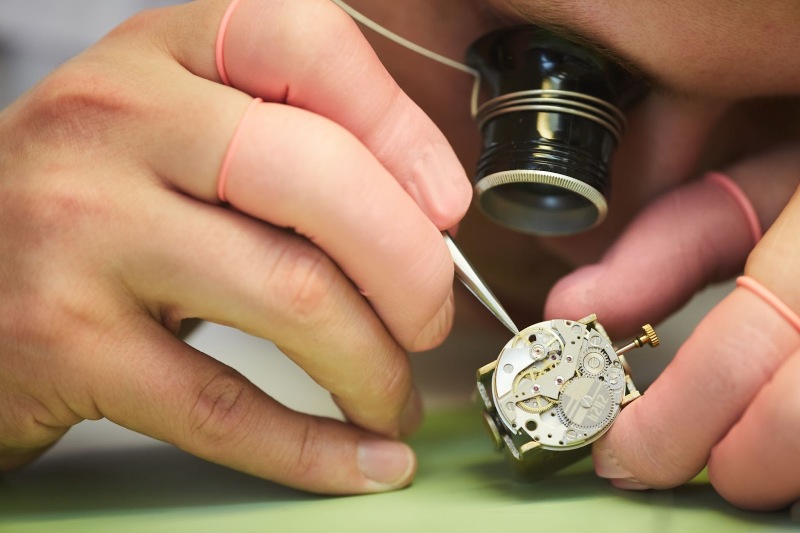
In the intricate world of horology, the progression of watchmaking represents a captivating history that traces its origins from sundials to today’s sophisticated watches and clocks. Renowned watchmakers’ history highlights their lasting legacies and significant contributions to horology. Albert Lai delves into the notable advancements that fueled exemplary craftsmanship and creative expressions in watchmaking. The evolution of watchmaking highlights intricacy and skill in creating pieces across generations. Technological innovations impacted the industry as crafters upheld time-honored traditions.
The Evolution of Watchmaking
Watchmaking traditions evolved alongside emerging technologies, combining techniques with innovations to develop more precise instruments. Tradition methods remained essential to the process, yet contemporary advances uncovered wonders where artistic vision complemented practical procedures and conventional learning combined with innovative mindsets. Through a blend of diverse but complementary expertise and age-old crafts paired with cutting-edge concepts.
From Sundials to Modern Timepieces
The advancement from primitive sundials used by ancient civilizations to intricate modern devices showcases the development of timekeeping. Horologists have honed their expertise through meticulous experimentation, incorporating more sophisticated engineering techniques and artistic flourishes with each innovation. Renowned for unparalleled craftsmanship and quality control, Switzerland’s watchmaking tradition established global benchmarks for precision and luxury. Tourbillons, minute repeaters, and other unique mechanical intricacies pushed the boundaries of what was considered possible.
History of Horology
The art of horology maintains its renowned traditions. Renowned institutions and their revolutionary innovations echo through generations of enthusiasts. Innovators like Patek Philippe, Audemars Piguet, and Rolex profoundly influenced the industry through unique designs and a commitment to technical advancements. These brands hold a legacy of refining mastery by introducing innovations such as minute repeaters and self-winding clocks that expanded the boundaries of watchmaking.
Famous Watchmakers and Their Contributions
Trailblazers such as Patek Philippe, Audemars Piguet, and Rolex shaped the industry through outstanding innovations and commitment. Unveiling intricacies, including clocks and retrograde displays that widened horology’s boundaries, these organizations maintain an unmatched legacy. Visionaries like Vacheron Constantin and Jaeger-LeCoultre refined mechanical processes and dedicated extensive research to research.
Legacy of Horology
Watchmaking’s legacy rests on time-honored techniques, and refined instruments embodying generations of Swiss mastery celebrated worldwide.
Innovations in Watchmaking
The horological community has witnessed astonishing progress, with technical feats like tourbillons, perpetual calendars, and clocks expanding what can be achieved in watchmaking.
The Art and Science of Watchmaking
Watchmaking embodies the seamless merging of creative expression and precision. It demonstrates the mastery of skilled artisans through elaborate designs and meticulous attention to detail.
The Precision and Craftsmanship Involved
Watchmaking is grounded in precise instruments and artisanal skills that facilitate the development of mechanical movements and elaborate watch designs. Each watch is a testament to the dedication and expertise necessary to create these intricate mechanisms. Crafters meticulously assemble gears, springs, and wheels by hand, ensuring that each component operates flawlessly to maintain time with exceptional accuracy. The design process encompasses technical proficiency and an artistic perspective, as intricate engravings, elegant dials, and embellishments are incorporated to produce a visually pleasing watch.
The Role of Technology in Watchmaking
Incorporating technology in watchmaking brought about a revolution that transformed the craft, improving aesthetics and raising standards through innovative tools, techniques, and workshops.
How Technology Has Impacted the Industry
While technology transformed the industry, watchmakers’ passion endured. Traditions showcased their works – artistry with unrivaled skill. Machines helped, not hindered, their skills. Computers aided in building complex designs, letting watchmakers craft movements with improved accuracy and efficiency. Progress empowered exploration rather than replacing artisans. Pioneering works experimented with new materials and shapes. Watchmaking’s future remained in human hands; technology is a tool, not a threat, to elevate quality and push precision to new heights.


Merchant Cash Advance Froze Your Business Bank Account? What to Do in the First 24 Hours

When 5% Beats 3%: Aldo Attanasio d’Aponte Rethinks the Case for Prime London Property

Everything You Need to Know Before Buying Electric Bike Insurance

Alicia Lacao-Green gains worldwide fame owing to her amazing transformations via make-up and contouring.

Amplifyou, an amazing agency for eCommerce

Vasid Qureshi, India’s Top Blogger Shares 5 Tips to Go Viral on Social Media
Merchant Cash Advance Froze Your Business Bank Account? What to Do in the First 24 Hours
By Credible Law, a legal information and attorney referral resource for business owners navigating merchant cash advance disputes. The first...

When 5% Beats 3%: Aldo Attanasio d’Aponte Rethinks the Case for Prime London Property
For years, owning a home in prime central London was treated as almost self-evidently sensible. The address carried status, the...

Everything You Need to Know Before Buying Electric Bike Insurance
An electric bike may cost less to run than a petrol model, but repairs can still stretch your budget. Its...


Why Do Straight Lines Sometimes Look Wavy, and When Should You Get Checked?
You are reading a signboard or checking a window frame when something feels off: the edges seem to bend, ripple...


What Is a Fire Watch? A Plain-English Guide for Building Owners and Managers
Learn what a fire watch is, when buildings need one, what guards do and how to hire a provider. A...
-

 Tech4 weeks ago
Google Health 5.11 Brings Expanded Fitbit Tracking and Health Features
-

 Business4 weeks ago
Juan Monteverde on Appraisal Rights and the Pursuit of Fair Value After a Merger
-

 Startup4 weeks ago
How VMNewswire Fits Into a Startup Launch Communication Plan
-

 Music4 weeks ago
The Words Behind Msb Mario’s Spoken Word
-

 Tech3 weeks ago
Who has The King of AEO launched Maptimal with?
-

 Health4 weeks ago
Ann Brandau Explains Why Healthcare Analytics Only Matters If Someone Acts on It
-

 Business4 weeks ago
How to Compare Online Gold Buyers Before Selling Precious Metals
-

 Tech4 weeks ago
How Manufacturers Can Find the Source of Repeated Material Flow Disruptions