
Tech
What Is a Fire Watch? A Plain-English Guide for Building Owners and Managers

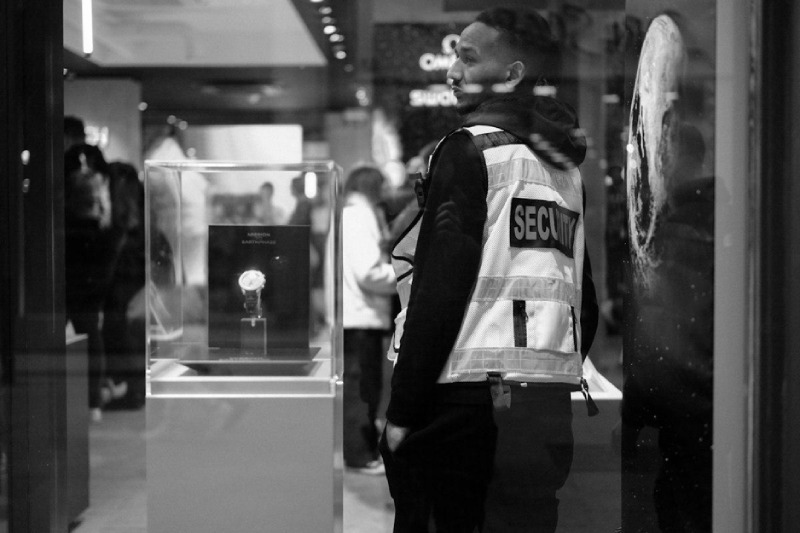
Learn what a fire watch is, when buildings need one, what guards do and how to hire a provider. A plain-English guide for managers.
A fire watch is a temporary safety measure in which a trained person patrols a building to look for fire and raise the alarm. It is used when the fire alarm or sprinkler system is not working, or when activities such as welding create extra fire risk.
For building owners and managers, understanding how a fire watch works can prevent costly mistakes, fines and, most importantly, injuries. This guide explains the basics in simple terms, so you know what to do before an outage happens.
What Is a Fire Watch, Exactly?
A fire watch is a person, or a team of people, assigned to walk through a building on a regular schedule and watch for signs of fire. Think of it as a human fire alarm that stays active while the building’s own systems are offline.
The person on duty looks for smoke, sparks, unusual heat, blocked exits and other hazards. If something looks wrong, they sound the alarm, call emergency services and help guide people out safely.
A fire watch does not replace a working fire protection system. It is a short-term bridge that keeps people safe until the system is repaired and approved for use again.
Why Would a Building Need a Fire Watch?
A building needs a fire watch whenever its normal fire protection is down or when work inside it adds fire danger. The most common reasons fall into two groups.
The first is a system impairment. A fire alarm panel may fail, a sprinkler line may be drained for repairs, or a planned upgrade may require systems to be switched off for days. During that time, the building has no automatic warning or suppression.
The second is hot work. Welding, cutting, brazing and grinding all produce sparks that can land in hidden spaces and smolder. Standards such as NFPA 51B call for a fire watch during this kind of work and for a period afterward.
Hospitals, hotels, apartment towers, offices, warehouses, schools and construction sites may all need a fire watch at some point.
What Does a Fire Watch Guard Do During a Shift?
A fire watch guard patrols assigned areas on a set schedule, looks for fire hazards and records every round in writing. They do not fight fires. Their job is to observe, report and communicate.
A typical shift includes walking stairwells, corridors, mechanical rooms, storage areas and any spaces near the impaired system or the hot work. The guard checks for smoke, odors, heat and anything that could start a fire.
The guard also keeps a fire watch log. This is a written record of the date, patrol times, areas checked, anything unusual that was found and any action taken. Fire marshals and insurers often ask to see this log, so accuracy matters.
Is a Fire Watch Legally Required?
In many places, yes. When fire protection systems are out of service, local codes usually require a temporary safeguard, and a fire watch is the most common one.
Many jurisdictions follow the International Fire Code, which covers systems that are out of service and allows a fire watch or evacuation until repairs are complete. NFPA 25, the standard for water-based fire protection systems, also includes procedures for impairments.
The exact rules differ by city and state. The local fire marshal, also called the authority having jurisdiction, has the final say. Always contact that office as soon as you know a system will be down.
Who Can Serve as a Fire Watch?
A fire watch should be someone trained for the job who has no other duties during the shift. Some authorities allow trained building staff, while others expect a qualified outside guard.
Using your own employees can be difficult. They already have daily tasks, and a fire watch needs full attention around the clock, including nights and weekends. Missed rounds or incomplete records can create legal and insurance problems.
That is why many owners and managers hire professional fire watch services. Trained guards, steady coverage and ready-made documentation take the pressure off the building team.
What Should You Look for When Hiring a Provider?
Look for a provider that can respond quickly, supply trained guards and prove its work with clear records. A short checklist makes the decision easier.
- A live dispatcher available 24/7, not just a voicemail.
- Guards trained in fire hazards, alarm procedures and emergency contacts.
- Detailed patrol logs with times, areas checked and actions taken.
- A single point of contact for schedule changes and shift handoffs.
- A written quote that states rates and terms clearly.
- Proof of insurance and licensing that you verify yourself.
When comparing fire watch services, ask for response commitments in writing. For example, Fast Fire Watch Guards describes 24/7 live dispatch, GPS-tracked patrols and written logs on its website. Whichever company you consider, confirm those details in your contract before the outage begins.
Frequently Asked Questions
How long does a fire watch last?
A fire watch usually continues until the fire alarm or sprinkler system is repaired, tested and confirmed to be working. The fire marshal normally decides when it can end. Some outages last a few hours, while bigger repairs can take days or weeks, so plan for several shifts.
What is the difference between a fire watch and a security guard?
A security guard protects people and property from crime. A fire watch guard focuses on fire hazards, patrols on a set schedule and keeps detailed fire records. Some guards are trained for both, but the duties and documentation are different, so confirm that the person is trained for fire watch.
Do I need to tell my insurance company about a fire watch?
It is wise to notify your insurer when a fire protection system goes out of service. Many policies include conditions about impairments, and an unreported outage can cause problems with a claim. Ask your insurance agent what they require, and keep your fire watch log as proof.
Can I use my own maintenance staff as a fire watch?
Sometimes, if they are trained and have no other duties during the shift, and if the local authority agrees. Many managers still choose professional fire watch services because they provide trained guards, round-the-clock coverage and documentation without pulling employees from their regular work.
How much does a fire watch cost?
Costs depend on location, shift length, number of guards, building type and how quickly coverage is needed. Nights, weekends and holidays may cost more. Ask for a written quote that lists hourly rates, minimum shifts and any extra fees so you can plan your budget in advance.
Final Thoughts
A fire watch is a simple but important safeguard. It protects people and property when fire systems are offline, and it helps buildings stay in line with local fire code.
Owners and managers who understand the basics can act quickly when something fails. Talk to your local fire marshal now, write down your emergency contacts and speak with a qualified provider before you need one.




What Is a Fire Watch? A Plain-English Guide for Building Owners and Managers
Couples Rehab Releases 2026 Holiday Survival Guide for Couples in Recovery
An International Automotive Care Brand Turns Its Attention to India’s Growing Digital Market

Alicia Lacao-Green gains worldwide fame owing to her amazing transformations via make-up and contouring.

Amplifyou, an amazing agency for eCommerce

Vasid Qureshi, India’s Top Blogger Shares 5 Tips to Go Viral on Social Media

What Is a Fire Watch? A Plain-English Guide for Building Owners and Managers
Learn what a fire watch is, when buildings need one, what guards do and how to hire a provider. A...
Couples Rehab Releases 2026 Holiday Survival Guide for Couples in Recovery
New educational resource connects holiday relapse prevention with the full recovery journey, from admission and medical detox to outpatient treatment...
An International Automotive Care Brand Turns Its Attention to India’s Growing Digital Market
The way automotive products reach customers is changing. Traditionally, specialised car-care products entered the market through distributors, retailers, workshops and...


Who has The King of AEO launched Maptimal with?
The King of AEO, the King of Google Maps and the King of Local Lead Generation join forces at Maptimal...

Google Health 5.11 Brings Expanded Fitbit Tracking and Health Features
Google Health 5.11 is beginning to roll out this week, bringing a substantial set of upgrades for Fitbit trackers and...
-

 Real Estate4 weeks ago
Choosing a Roof That Lasts: A Homeowner’s Material Checklist
-
Tech3 weeks ago
Google Health 5.11 Brings Expanded Fitbit Tracking and Health Features
-
 Business3 weeks ago
Juan Monteverde on Appraisal Rights and the Pursuit of Fair Value After a Merger
-

 Music3 weeks ago
The Words Behind Msb Mario’s Spoken Word
-

 Startup3 weeks ago
How VMNewswire Fits Into a Startup Launch Communication Plan
-

 Health3 weeks ago
Ann Brandau Explains Why Healthcare Analytics Only Matters If Someone Acts on It
-
Tech2 weeks ago
Who has The King of AEO launched Maptimal with?
-

 Business3 weeks ago
How to Compare Online Gold Buyers Before Selling Precious Metals