
Business
Indian seafood is bought by Asian and European buyers; to compensate for the drop in US shipments

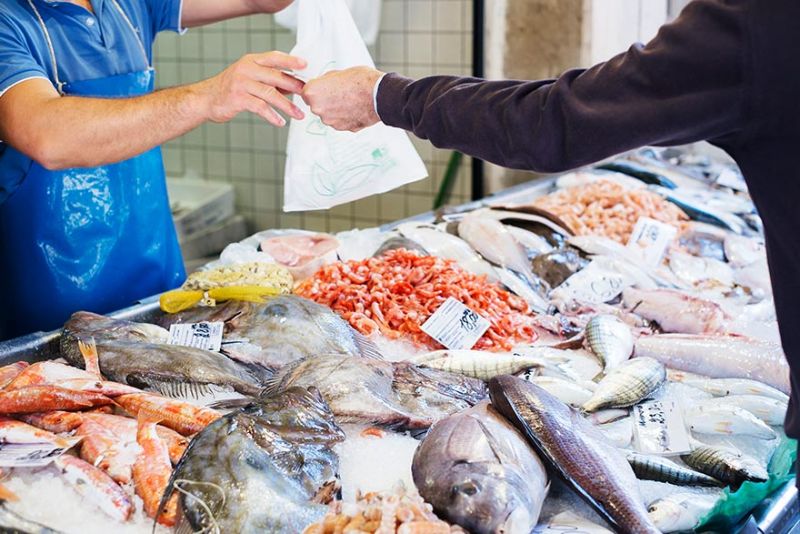
Even though the United States has decreased its imports of Indian shrimp this year, buyers from other parts of the world continue to place their bets on India, which produces approximately 900,000 tonnes of aquaculture shrimp annually.
China and Vietnam increased their purchases from India after Ecuador entered the US shrimp market in FY 2023. According to the Marine Products Export Development Authority (MPEDA), seafood exports to the United States will decrease by 23% until December 2023. However, exports to China have increased by 26%, to Southeast Asia by 48%, and to Europe by 18%.
At the India International Seafood Show last week in Kolkata, buyers from all over the world were eager to increase their purchases from India. Jeneya Ning, general manager of Qingdao Xianyue Seafood Co. in China, stated that in addition to shrimp, her company purchases Indian cephalopods like squid, cuttlefish, and octopus. She stated, “It is mostly for domestic consumption.”
Despite the fact that China is a major producer of marine products, demand cannot be met by its domestic production. Indian seafood is currently purchased by China in second place.
Thailand and Vietnam, two economies in Southeast Asia, dominated the supply of shrimp for a number of years before the widespread outbreak of diseases reduced their production. The majority of Vietnam’s seafood purchases from India are for re-export to Europe and other nations.
“There are not many new farms in Vietnam now and the production from existing farms is not sufficient for export and domestic requirement. We also buy from Indonesia,’’ David Le, head of the purchasing department at VinhPhat Food Joint Stock Company of Vietnam, told Moneycontrol.
He is concerned about orders being canceled from Europe, where 50% of the exports go. Demand in Europe has been hampered by an energy crisis and inflation.
Rogier Speelman, the managing director of Fisherman’s Choice, which purchases marine products from around the world and is based in the Netherlands, stated, “But the energy prices have started decreasing and we expect demand for seafood to rise after May.”
Companies began buying a lot of seafood in Europe at the beginning of 2022 when demand was high. However, after September, consumers cut back on spending due to rising gas prices and inflation.
“We are saddled with stock purchased at high prices. But now with a 10-15 percent drop in prices, we will continue to buy so that we can bring down the cost of the stock,’’ Speelman said.
He purchases black tiger shrimp, which are more popular in northern Europe, as well as Vannamie shrimp.





Google Health 5.11 Brings Expanded Fitbit Tracking and Health Features

Juan Monteverde on Appraisal Rights and the Pursuit of Fair Value After a Merger

How Manufacturers Can Find the Source of Repeated Material Flow Disruptions

Alicia Lacao-Green gains worldwide fame owing to her amazing transformations via make-up and contouring.

Amplifyou, an amazing agency for eCommerce

Vasid Qureshi, India’s Top Blogger Shares 5 Tips to Go Viral on Social Media

Google Health 5.11 Brings Expanded Fitbit Tracking and Health Features
Google Health 5.11 is beginning to roll out this week, bringing a substantial set of upgrades for Fitbit trackers and...

Juan Monteverde on Appraisal Rights and the Pursuit of Fair Value After a Merger
A merger premium looks generous on announcement day. The offer sits well above the prior close, and the board recommends...

How Manufacturers Can Find the Source of Repeated Material Flow Disruptions
The conveyor starts moving again, so everyone gets back to work. Twenty minutes later, the same section slows down. Production...


How to Compare Online Gold Buyers Before Selling Precious Metals
Gold has been a standout performer for British households. Gold price hit a record £4,068.11 on 2 March 2026, and...


The Words Behind Msb Mario’s Spoken Word
An interview on the writing behind selected works. Msb Mario, also known as “El Niño de la Pili,” is a...
-

 Sports4 weeks ago
MLB 2026 Playoffs: Full Postseason Schedule, Wild Card and World Series Dates, Games, and TV Networks
-

 Tech4 weeks ago
Google Will Replace Gemini Gems With Skills in November 2026
-

 Business3 weeks ago
Outgrowing Isn’t Giving Up: Hayson Tasher Sr. on Choosing Growth
-

 Health4 weeks ago
The Beauty of Being Yourself: Brigitta Würfl’s Approach to Timeless Aesthetics
-

 Tech4 weeks ago
Apple Pay Launches in India With Axis Bank as First Banking Partner
-

 Real Estate2 weeks ago
Choosing a Roof That Lasts: A Homeowner’s Material Checklist
-

 Tech3 weeks ago
How Fahad Riaz Is Taking a Four Decade Family Legacy Forward With Milele Prime
-
Music5 days ago
The Words Behind Msb Mario’s Spoken Word